A Taste of Fire Without Heat in Mexican Chili Tastings
Explore the unique flavors of Mexican chili tastings that offer fire without the heat.
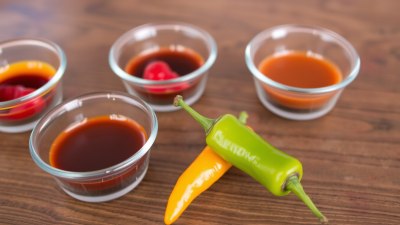
Image created with Flux Schnell
Chili has long been a staple in Mexican cuisine, known for its versatility and the rich tapestry of flavors it offers. While many might associate chili with intense heat, there exists a subculture of chili tastings that shines a spotlight on the nuanced flavors of various chili peppers, allowing enthusiasts to enjoy their zest without the overwhelming fire. This journey into the world of chili tastings provides an opportunity to appreciate the essence of these beautiful ingredients, celebrating the balance between flavor and spice.
Understanding Chili Varieties
Understanding the different types of chili peppers is crucial for any culinary enthusiast. With thousands of variants from different regions, they range widely in flavor profiles from sweet and smoky to earthy and tangy. Some common varieties include ancho, guajillo, and poblanos, each distinct in flavor while presenting their own unique culinary story. Ancho peppers, for instance, are the dried form of the poblano pepper and offer a deep, rich sweetness coupled with hints of chocolate. Meanwhile, guajillo peppers, known for their tangy and berry-like flavor, provide a pleasant sweetness that enhances countless dishes.
The Role of Heat
It’s essential to distinguish between chili's flavor profiles and the heat levels that can accompany these peppers. The Scoville heat scale is a popular tool for gauging a chili's spicy intensity. While many chili peppers rank high on this scale, tasting events frequently emphasize the flavor notes rather than heat. This taste-forward approach allows participants to savor the complexity of each pepper without being overpowered by spiciness, ultimately showcasing how heat can complement rather than dominate.
Creating the Perfect Tasting Experience
A successful chili tasting experience hinges on careful selection and presentation of the featured chilies. To kick off a tasting, a range of peppers with varying flavor profiles should be curated. Start with mild options like bell peppers, then gradually introduce sweet and smoky peppers, such as anaheim and pasilla, before moving to medium heat varieties like jalapeños and serranos. This progression enables tasters to develop their palate progressively without overwhelming them, allowing for a better appreciation of the subtleties in flavor.
Complementary Pairings
As guests sample various chilies, complementary pairings can elevate the experience. Consider offering cheese, such as queso fresco or aged cotija, to balance the peppers’ flavors. Fresh lime wedges, herbs, and spices can also assist in bringing out the taste of each pepper. A selection of fresh salsas or guacamole can also engage the taste buds further, presenting layers of flavors while keeping the experience light and vibrant. Additionally, serving with tortilla chips can provide that satisfying crunch and texture contrast that often complements the creamy and smoky characteristics of the flavors.
The Art of Tasting
When engaging in a chili tasting, one must embrace the art of tasting. Begin by smelling the peppers to grasp their aromatic qualities. This step heightens the tasting experience and prepares the palate for what lies ahead. As you take a small bite, let the pepper rest on your tongue to appreciate the initial flavors before chewing thoroughly. Recognizing the flavors as they develop is key; what you perceive upon first tasting may shift significantly as the chili’s essence unfolds.
Exploring Regional Differences
Mexico is home to a wide range of regional chili varieties, each with its own unique flavor characteristics and cultural significance. From the smoky chipotle of Central Mexico to the bright and citrusy flavors of the serrano from northern regions, the journey of tasting can be an exploration of the country’s rich agricultural heritage. Each region's culinary traditions not only influence the kinds of chilies available but also how they are prepared and consumed.
Host a Chili Tasting at Home
Hosting your own chili tasting can be a delightful experience, inviting friends and family to join in on the fun while expanding their culinary horizons. Start by gathering a selection of dried chilies and fresh ones for contrast. Offer a variety of cooking methods such as roasting, frying, and eating raw to highlight the diverse flavors found within the same pepper type. Create an inviting atmosphere with themed decorations, such as colorful table linens or rustic ceramics, to enhance the overall experience.
Documenting the Experience
Encourage participants to document their tasting notes throughout the event. This technique enhances engagement and allows tasters to revisit the flavors they enjoyed most. Notes can be jotted down for comparison, helping everyone track which peppers stood out. Providing a scoring system based on flavor intensity, fragrance, and overall enjoyment can spark lively discussions and reflections as tasters share their experiences with one another.
Incorporating Chili into Dishes
The ultimate utility of chili peppers goes beyond simple tastings. They can be incorporated into many dishes to bring life and excitement to culinary creations. From salsas, adobos, and marinades to further innovations like infused oils and pickled varieties, the possibilities are endless. Experimenting with different combinations of peppers can yield surprising results, ensuring your dishes remain vibrant and flavorful while controlling the heat level.
Participating in Mexican chili tastings provides a unique opportunity to explore flavors that define not just a cuisine but also a culture. The journey through chili's diverse offerings allows you to appreciate the artistry of balance, flavor, and the vibrant connections present in every bite. Whether you’re savoring the sweet richness of an ancho or the bright tang of a guajillo, you embrace a culinary experience that celebrates the depth of taste without overpowering heat. So gather your friends, sample some chilies, and embark on a flavorful adventure that illustrates why these peppers are truly the heart of Mexican cuisine.