Blindfolded Tea Ceremonies in Seoul
Experience the unique tranquility of blindfolded tea ceremonies in Seoul. Discover mindfulness and tea culture.
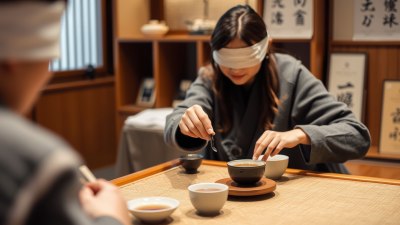
Image created with Flux Schnell
In the heart of Seoul, where the hustle and bustle of urban life merges with rich traditions, blindfolded tea ceremonies have emerged as a unique way to engage with the ancient art of tea. This practice transcends the ordinary tea-drinking experience, inviting participants to rely on their senses beyond sight and delve into a journey of mindfulness, flavor, and presence.
Historically, tea ceremonies in Korea are steeped in cultural significance, focusing on harmony, respect, and tranquility. The traditional Korean tea ceremony, known as 'darye,' emphasizes these principles, allowing individuals to connect more deeply with each other and the tea itself. However, the blindfolded version invites participants to shed their reliance on visual cues, enhancing the sensory experience through touch, taste, and sound.
The Concept of Blindfolded Tea Ceremonies
The notion of conducting tea ceremonies blindfolded originated from a desire to enhance mindfulness and encourage deeper connections with oneself and others. By eliminating the visual element, participants are prompted to focus entirely on the sensations that arise during the ceremony. The textures of the tea leaves, the warmth of the teapot, the aroma of the steeping tea, and the flavors that dance on the palate all become heightened and more pronounced.
Blindfolded tea ceremonies typically begin with participants being led to a serene setting, often infused with the calming presence of nature or elegant decorations that evoke tranquility. After donning their blindfolds, participants are guided through a step-by-step process that may include the preparation of the tea, the pouring of water, and the tasting of the final brew. This captivating engagement invites individuals to let go of distractions and embrace the present moment.
The Role of Mindfulness in Tea
Mindfulness, the practice of being fully present and engaged in the moment, is a core principle of blindfolded tea ceremonies. In a world filled with constant stimuli and distractions, taking time to engage in a mindful ritual can promote relaxation and mental clarity. As participants immerse themselves in the ceremony, they are encouraged to focus on their breathing, the sensations in their bodies, and the unfolding experience of tasting tea.
This practice allows individuals to cultivate a sense of appreciation for the subtleties of life. The act of brewing tea, often seen as a mundane task, transforms into a meaningful ritual that fosters introspection and connection. Mindfulness during tea ceremonies can help reduce stress, increase emotional awareness, and enhance overall well-being.
Benefits of Blindfolded Tea Ceremonies
Participating in blindfolded tea ceremonies offers numerous benefits. Firstly, it enhances sensory awareness, as participants discover new dimensions of tea through taste, aroma, and texture without the influence of visual perception. This heightened awareness leads to more profound enjoyment of the tea itself and a greater appreciation for its cultural significance.
Moreover, blindfolded tea ceremonies serve as a form of meditative practice, promoting relaxation and reducing anxiety. In an environment that encourages reflection and mindfulness, participants often report feeling a sense of calm and centeredness that carries beyond the ceremony. This mental clarity can also foster creativity, allowing individuals to approach challenges with a fresh perspective.
Exploring Different Types of Tea
One of the captivating aspects of blindfolded tea ceremonies in Seoul is the variety of teas that can be explored. From delicate green teas to robust black teas, each type offers a unique tasting experience. Blindfolded participants are often surprised to discover how their perceptions of flavor can shift based on their heightened senses.
Traditional Korean teas, such as 'nokcha' (green tea) and 'cha-tteok' (tea-flavored rice cake), might be included in the ceremony, alongside a selection of herbal teas. The contrasting profiles of these teas not only provide a rich tasting experience but also serve as a guide for participants to discern subtle nuances in flavor and aroma that they might otherwise overlook.
The Cultural Significance of Tea in Korea
Tea has played an essential role in Korean culture for centuries, representing hospitality, respect, and tradition. The beverage was introduced with the arrival of Buddhism, rapidly becoming a social norm akin to the practices established in other Asian countries like China and Japan. Today’s tea ceremonies, including blindfolded interpretations, serve as a bridge connecting modern individuals to their cultural heritage.
In Korea, tea is more than just a drink; it symbolizes connection and sharing. The act of preparing and serving tea is often marked by grace and deliberation, allowing for a moment of stillness in a fast-paced world. By embracing the ritual of a blindfolded tea ceremony, participants are encouraged to embody these same principles of care and mindfulness.
Finding Blindfolded Tea Ceremonies in Seoul
For those interested in experiencing a blindfolded tea ceremony in Seoul, several tea houses and wellness centers offer these unique sessions. Many venues highlight the cultural context of tea, providing insights into the history and significance of various teas served during the ceremony.
Typically, these events are structured to accommodate both individuals and small groups. Booking in advance is advised, as they can fill up quickly, especially during weekends. Participants will often receive guidance throughout the ceremony, ensuring that they feel comfortable and supported as they explore this innovative approach to an ancient practice.
What to Expect During the Ceremony
Before attending a blindfolded tea ceremony, it's essential to arrive with an open mind and a willingness to embrace the experience. Participants are encouraged to engage their senses fully, setting aside any preconceived notions about tea and focusing on the sensory journey ahead.
The ceremony may begin with a brief introduction to the types of teas that will be served, along with the rationale behind the blindfolded approach. Following this, participants will have the opportunity to engage in the process of preparing tea together, guided by the facilitator. The act of brewing tea becomes a communal experience, fostering connection among participants.
Personal Reflections and Community
After all teas have been tasted, many ceremonies include a reflection period, where participants can share their experiences and insights with one another. This aspect of the ceremony encourages conversation and connection, reinforcing the community aspect of tea culture. These shared stories often lead to deeper discussions about mindfulness, sensory experiences, and the transformative potential of slow rituals in our lives.
Participants may find themselves bonding over their surprising discoveries about taste and aroma, or even the emotional sensations that may arise from disconnecting from the visual world. Such reflections can create lasting memories and forge connections that transcend the boundaries of traditional social interactions.
Embracing the Journey
Blindfolded tea ceremonies in Seoul offer a captivating blend of tradition, mindfulness, and sensory exploration. By inviting participants to engage in a ritual that prioritizes presence over sight, individuals embark on a journey that deepens their understanding of tea and themselves. This experience not only promotes relaxation and connection but also serves as a vivid reminder of the beauty found in simplicity.
As the urban landscape of Seoul continues to evolve, practices like the blindfolded tea ceremony provide a comforting nod to the past while encouraging individuals to cultivate a deeper awareness in their daily lives. For those seeking an enriching experience that celebrates both the nuances of flavor and the power of mindfulness, a blindfolded tea ceremony is a must-try. Delve into this transformative practice, and discover the unique depths of tea that await in the vibrant city of Seoul.