Collecting and Cataloging Different Types of Amber from Markets
Explore the various types of amber found in markets and learn how to catalog them effectively.
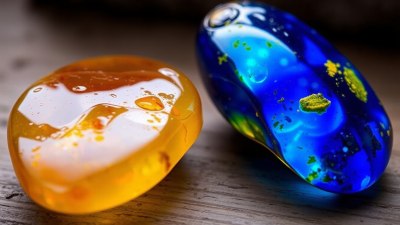
Image created with Flux Schnell
Amber, the fossilized resin of ancient trees, has captivated humans for millennia with its stunning colors and unique optical properties. Its rarity and natural beauty make it a sought-after collectible, especially in markets around the world. The process of collecting and cataloging different types of amber can be a rewarding hobby or a serious business venture. In this article, we will delve into the fascinating world of amber, exploring different varieties, techniques for identification, and tips for cataloging your collection.
Understanding Amber
Amber is not a gemstone in the traditional sense; it is an organic matter that has undergone a process of fossilization over millions of years. The tree resin that eventually becomes amber has been preserved in various geological conditions, resulting in a wide range of colors and inclusions. The most common colors of amber include yellow, cognac, green, and even blue. It is important to understand the types of amber available in the market as this knowledge can greatly enhance your collecting experience.
Types of Amber
1. Baltic Amber: The most well-known type of amber comes from the Baltic region, particularly Poland, Lithuania, and Russia. Its color ranges from light yellow to deep orange and often contains inclusions of ancient insects and plants.
2. Dominican Amber: Dominica is famous for its high-quality amber, which sometimes exhibits a clear blue coloration. This type of amber is often found with plant and insect inclusions unique to the Caribbean region.
3. Burmese Amber: Found in Myanmar, Burmese amber takes on a dark brown or black color and is celebrated for its unique inclusions, including rare species of prehistoric insects.
4. Mexican Amber: This type of amber is characterized by its yellow to dark orange hues. Mexican amber often shows a more opaque appearance and is commonly used in jewelry.
5. Kopal: Although not true amber, copal is a younger tree resin that can sometimes be confused with amber. Its qualities are significantly different, but it can still be appealing to collectors.
Identifying Amber
Proper identification of amber is crucial in the world of collecting. Many imitations and alternatives exist in the market, including plastics and glass. Here are some tips to help you identify genuine amber:
- The Saltwater Test: Place the amber piece in a glass of salty water. Genuine amber will float due to its low density, while most imitations will sink.
- UV Light Test: Genuine amber fluoresces under UV light, often displaying blue or green hues. This characteristic is due to its organic components.
- The Scratch Test: Amber is softer than many other materials. Try scratching the surface with a fingernail; if it leaves a mark, it's likely genuine amber.
Collecting Amber
The act of collecting amber can vary greatly depending on your location and resources. Here are some steps to consider when building your collection:
1. Set a Budget: Determine how much you are willing to spend on your collection. This will enable you to prioritize your purchases.
2. Find Reliable Sources: Assess local markets, online retailers, and specialized amber fairs to find reputable sellers. Always research the sellers to ensure the authenticity of their products.
3. Start Small: As a beginner, consider starting with a few pieces in varying colors and types. This will help you learn more about amber without overwhelming yourself with too many choices.
4. Join a Community: Engage with other amber enthusiasts in local clubs or online forums. This can help you gain knowledge, share experiences, and even trade pieces.
Categorizing Your Collection
Once you begin to amass your amber collection, you will need to develop a categorization system to keep track of your pieces. Here are some methods to consider:
1. By Type: Organize your amber by type (e.g., Baltic, Dominican, etc.). This method is straightforward and allows you to see the diversity in your collection.
2. By Color: You can create sections for each color or shade of amber. This adds a beautiful visual element to your collection.
3. By Inclusions: If you possess amber pieces with notable inclusions, you might want to categorize them based on the types of creatures or plants trapped inside.
4. By Purchase Source: Another option is to organize your collection based on where you acquired each piece, allowing you to track the sellers you prefer.
Proper Care for Your Amber Collection
Maintaining the beauty of your amber pieces requires some care. Here are some essential tips:
1. Avoid Harsh Chemicals: Keep amber away from cleaning agents, perfumes, and other harsh substances that could damage its surface.
2. Store Properly: Use a soft cloth to wrap your amber pieces or store them in individual compartments. Avoid stacking them to prevent scratching.
3. Keep Out of Direct Sunlight: Prolonged exposure to sunlight can fade the color of amber. Store your collection in a cool, dark place whenever possible.
Social and Cultural Aspects of Amber Collecting
Throughout history, amber has held cultural significance in various regions. In ancient times, it was often associated with protection and healing. Many cultures believed that amber had mystical properties, making it a popular talisman. Today, amber collecting is not only about the pieces themselves but also about understanding their historical and cultural context. Participating in amber fairs or exhibitions allows collectors to connect with the stories behind their pieces and appreciate the art of jewelry making.
Collecting and cataloging amber can be both a fulfilling hobby and an avenue for investment. The diverse types of amber available in markets today offer a unique glimpse into the ancient past. By understanding how to identify and categorize your collection, as well as properly care for your pieces, you will ensure that your amber collection remains vibrant and meaningful for years to come. Whether you are drawn to its beauty or its history, amber will continue to inspire generations of collectors.