Collecting and Cataloging Different Types of Feathers on Nature Walks
Explore the joy of collecting and cataloging feathers during nature walks. Discover methods and tips for identification.
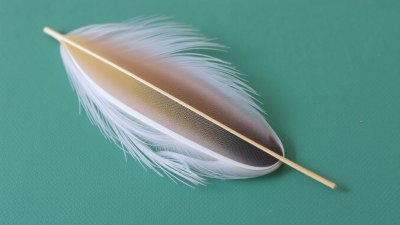
Image created with Flux Schnell
Feathers are one of nature's most captivating features, offering a glimpse into the lives of birds and their habitats. Collecting and cataloging different types of feathers can transform an ordinary nature walk into a fascinating adventure. This article will guide you through the process of feather collection, identification, and cataloging, ensuring you gain a deeper appreciation for these beautiful structures.
Understanding Feathers
Feathers serve a variety of purposes in the avian world, from providing insulation to facilitating flight. They come in various types, including contour feathers, down feathers, flight feathers, and decorative feathers. Each type has unique characteristics that can help you identify the bird species from which it originated.
Types of Feathers
1. Contour Feathers: These are the outer feathers that give a bird its shape and color. They lie flat against the body and are typically the most visible. Contour feathers can be found on the wings, tail, and body.
2. Down Feathers: Located beneath the contour feathers, down feathers are fluffy and provide insulation, keeping birds warm in cold weather. They lack the stiff shaft found in contour feathers.
3. Flight Feathers: These feathers are crucial for a bird's ability to fly. Found on the wings and tail, flight feathers are long and stiff. They're further divided into primary, secondary, and tail feathers.
4. Decorative Feathers: Some birds, particularly males during mating season, display bright and elaborate feathers. These decorative feathers can serve a crucial role in attracting mates.
Preparing for Your Nature Walk
Before heading out on your feather-collecting adventure, it's important to prepare properly. Equip yourself with the right tools and knowledge to maximize your experience. Here's what you'll need:
1. Field Guide: A field guide to birds and their feathers can provide valuable information on identifying species based on feather characteristics.
2. Collection Tools: Bring along a small ziplock bag or notebook to store the feathers you collect and make notes about their location and any identifying features.
3. Camera: A camera or smartphone can be useful for capturing images of birds in their natural habitat or of the feathers you find.
4. Binoculars: Binoculars enable you to observe birds from a distance without disturbing them, making it easier to identify them.
Where to Look for Feathers
Feathers can be found in a variety of locations, so it's crucial to seek out areas with high bird activity. Consider the following places:
1. Parks and Nature Reserves: These areas often host a variety of bird species and provide ample opportunities for feather discovery.
2. Near Water Sources: Birds are commonly found near lakes, rivers, and ponds. Look for feathers along shorelines and near bird-watching platforms.
3. Wooded Areas: Forests and wooded areas are home to many bird species. Pay attention to the ground or low branches where feathers may fall.
4. Urban Environments: Even in cities, birds can be found. Look around parks, gardens, and rooftops for feathers.
Collecting Feathers Responsibly
When collecting feathers, it is essential to do so ethically and responsibly. Here are some guidelines:
1. Check Local Laws: In many areas, it is illegal to collect feathers from certain species, especially migratory birds. Always check your local laws and regulations regarding feather collection.
2. Avoid Disturbance: If you spot a feather on the ground, take a moment to observe the surroundings. If there are nesting birds nearby, it's best to leave the feather alone to avoid disturbing them.
3. Limit Collection: Only collect feathers that are already on the ground and avoid taking them from living birds or nests. This practice helps maintain bird populations and their habitats.
Identifying Feathers
Once you have collected feathers, the next step is identifying their origins. To do this effectively, consider the following:
1. Color and Pattern: Examine the colors and patterns on the feather. These can provide clues about the species it belongs to. For instance, bright colors may indicate a male bird during mating season.
2. Size and Shape: Measure the feather's size and shape. Different birds have distinct feather sizes. For example, large tail feathers will belong to a larger bird like an eagle or hawk.
3. Shaft Structure: Investigate the feather's shaft (the central support). Some feathers have a hollow shaft, while others are solid. This can help differentiate between species.
4. Texture: Feel the texture of the feather. Some may be stiff and smooth, while others are soft and fluffy. These differences can narrow down the species.
Cataloging Your Collection
Cataloging your feather collection is a great way to keep track of your findings and enhance your appreciation for avian biodiversity. Here’s how to create a simple catalog:
1. Record Information: For each feather, note the date and location of collection, size, color, and any other identifying characteristics.
2. Use a Notebook or App: You can use a dedicated notebook or a digital app designed for nature observation to record your findings. Some apps allow you to attach photos as well.
3. Organize by Type: Organize your catalog by feather type, or you can categorize them by color or shape. This method makes it easier to track your collection.
4. Create Visual Displays: Consider creating shadow boxes or photo displays to showcase your favorite feathers or arrangements. These can make beautiful additions to your home decor.
Sharing Your Passion
Feather collecting is a wonderful hobby to enjoy alone or share with friends and family. You can enhance your experience by joining community groups or online forums dedicated to birdwatching and feather collecting. Engaging with others allows you to share your findings, learn from their experiences, and deepen your knowledge about avian life.
Collecting and cataloging different types of feathers on nature walks can lead to endless adventures and discoveries. By understanding and respecting the natural world, you can contribute to bird conservation while enjoying a rewarding hobby. Whether you're an avid birdwatcher or a casual nature enthusiast, feather collecting offers a unique way to connect with wildlife and enhance your appreciation for nature's beauty. So grab your field guide, pack your collection tools, and head out for your next nature walk—who knows what feathered treasures await you!