Collecting and Cataloging Different Types of Gemstones from Mines
Explore the art of collecting and cataloging gemstones, their types, origins, and mining processes.
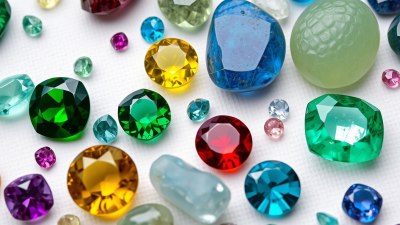
Image created with Flux Schnell
The world of gemstones is as vast as it is fascinating. From the deep emerald greens of jade to the rich blues of sapphires, each gemstone presents a unique story and character. Collecting and cataloging these precious stones not only enhances one’s knowledge but also contributes to the preservation of their history and value. This article will explore the different types of gemstones, the processes involved in mining them, and best practices for collection and cataloging.
Understanding Gemstones
Gemstones are natural minerals that are cut and polished to produce the dazzling stones we see in jewelry and collections today. They can be classified into two broad categories: precious gemstones and semi-precious gemstones. Precious gemstones, such as diamonds, rubies, sapphires, and emeralds, are more valuable due to their rarity and brilliance. Semi-precious gemstones, like turquoise, garnet, and amethyst, are more abundant but still highly valued for their beauty.
The Origins of Gemstones
Gemstones originate from various geological processes over millions of years. They can be found in metamorphic, igneous, and sedimentary rocks. The formation process of each gemstone varies, making the study of gemology a rich field of knowledge. Additionally, gemstones can be found in numerous global locations, each contributing unique characteristics to the stones due to environmental factors and mineral composition.
Types of Gemstones
When collecting gemstones, it is important to understand the different types available. Some well-known categories include:
Diamonds
Diamonds are among the hardest substances known and are famous for their incredible brilliance and fire. They can be found in colors ranging from white to yellow, blue, green, and even red.
Rubies
Rubies are a variety of corundum and are revered not only for their vibrant red color but also for their durability. The finest rubies possess a rich blood-red hue, known as “pigeon's blood.”
Sapphires
Sapphires are often associated with a deep blue color but come in a variety of colors including yellow, green, and pink. Blue sapphires are particularly sought after and are symbols of nobility.
Emeralds
Emeralds are prized for their lush green color. High-quality emeralds are rarely flawless and often contain inclusions, which can enhance their character and charm.
Amethyst
Amethyst, a purple variety of quartz, is highly popular due to its affordability and stunning appearance. Ranging from light violet to deep purple, it is often used in jewelry.
Aquamarine
Aquamarine is a blue-green variety of beryl, resembling seawater, and is known for its clarity and exceptional brilliance in light.
Mining Gemstones
Mining for gemstones can be done through various methods depending on the type of gemstone and its location. The most common mining techniques include:
Open-Pit Mining
This method involves creating a large open excavation to extract gemstones from the earth. It is typically used for surface-level deposits.
Alluvial Mining
Alluvial mining takes place in riverbeds, where gemstones are collected from river sediments typically washed downstream from their original deposits.
Underground Mining
This method involves digging tunnels underground to reach gemstones located deep within the earth. It is usually more dangerous and requires more extensive safety measures.
Collecting Gemstones
Collecting gemstones can be an exhilarating hobby or a serious profession. Here are some tips for beginners and seasoned collectors alike:
Research
Before starting a collection, it is essential to research the types of gemstones available and their collecting locations. Understanding the geographic and geological aspects can enhance your collecting experience.
Join Gem and Mineral Clubs
Joining local gem clubs provides access to resources, educational opportunities, and networking with fellow collectors. Clubs often organize field trips to mines, giving members hands-on experience in collecting gemstones.
Field Collecting
Field collecting involves actively searching for gemstones in their natural environment. Always ensure you have permission to collect on any land you visit and adhere to ethical collecting practices.
Tools of the Trade
Basic tools for collecting include a geology hammer, chisel, and safety goggles. Depending on the collecting site, you may also need sieves or small containers for transporting your finds.
Cataloging Your Collection
Once gemstones are collected, cataloging them helps keep your collection organized and documented. Here are some steps to consider:
Labeling
Each specimen should be labeled with its name, location of collection, date collected, and any other characteristics. Labels can be created using acid-free tags or permanent markers.
Documentation
Keeping a journal or spreadsheet with details about each gemstone can be beneficial. This should include information about its origin, size, cut, and any treatments it has undergone.
Display and Storage
Display your collection in a way that protects it from damage. Consider using glass cases or shadow boxes. For storage, ensure that gemstones are kept in soft pouches or boxes to prevent scratching.
Ethical Considerations in Gemstone Collection
Collectors have the responsibility to engage in ethical mining practices. This includes obtaining gemstones legally and avoiding conflict minerals, which are sourced from areas experiencing armed conflict and human rights violations. Seek out reputable dealers and sources to ensure the gemstones you collect are ethically sourced.
The Future of Gemstone Collecting
The future of gemstone collecting is brimming with potential. Advances in technology and sustainability initiatives are transforming how gemstones are mined and marketed. Additionally, synthetic gemstones are gaining popularity among collectors who appreciate their affordability and indistinguishable qualities from natural stones.
Collecting and cataloging gemstones is a rewarding pursuit that connects you to the earth and history. By understanding the types of gemstones, mining processes, and ethical considerations, collectors can appreciate their hobby while contributing to the respect and preservation of these natural wonders. As you embark on your gemstone collecting journey, remember to enjoy the beauty and uniqueness each stone brings into your life.