Collecting and Cataloging Different Types of Meteorites on Desert Trips
Discover how to collect and catalog meteorites effectively during desert trips.
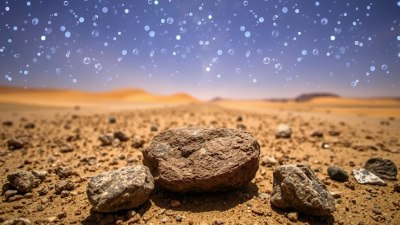
Image created with Flux Schnell
Meteorite collecting is a fascinating hobby that allows enthusiasts to connect with the cosmos while unearthing fragments of other worlds. When combined with trips to arid desert regions, the opportunities for finding and cataloging different types of meteorites become even more rewarding. This guide explores the best practices for collecting meteorites on desert trips, providing insights into identification, classification, and cataloging.
The vast and often desolate landscapes of desert environments are ideal for meteorite hunting due to their lack of vegetation, which allows for easier spotting of unusual rocks that could be meteoritic. Common deserts like the Mojave, Atacama, and the Sahara host a diversity of meteorites, each with unique characteristics. Each type of meteorite can tell a different story about the solar system's history, composition, and the processes that shaped it.
Understanding Meteorites
Before embarking on a desert expedition, it's essential to understand what a meteorite is. A meteorite is a solid fragment of a meteoroid that survives its passage through the atmosphere and lands on the Earth's surface. Meteorites are typically categorized into three main types based on their composition: stony meteorites, iron meteorites, and stony-iron meteorites.
Stony meteorites account for the majority of meteorite finds and are predominantly composed of silicate minerals. They can further be divided into chondrites and achondrites. Chondrites are the most primitive meteorites, containing tiny spherical inclusions known as chondrules. In contrast, achondrites are differentiated meteorites that have undergone significant geological processes.
Iron meteorites are primarily composed of iron and nickel and are believed to originate from the cores of differentiated planetary bodies. They are denser and generally easier to identify due to their metallic appearance.
Lastly, stony-iron meteorites consist of both metal and silicate grains and include unique examples like pallasites and mesosiderites. Each category presents distinct challenges and opportunities for collectors.
Planning Your Desert Trip
Successful meteorite collecting requires thorough preparation and planning. Selecting the right desert location is crucial. Research areas known for meteorite finds and consider government regulations regarding collecting in specific regions. Obtain necessary permits if required, and respect local laws and guidelines.
Your collecting gear is just as important as the location. Essential tools include a sturdy field bag, a rock hammer, a hand lens for close inspection, and a GPS device to mark your finds. It's also wise to carry a sieving tool for searching through loose soil, a magnet for testing metallic meteorites, and a camera to document your discoveries.
Searching for Meteorites
Once on-site, the search begins. Focus on looking for rocks with a fusion crust—an outer layer formed during atmospheric entry. These rocks typically have smooth, shiny surfaces and may be dark or have a different color than surrounding stones. Avoid common terrestrial rocks, such as basalt or granite, which can be mistaken for meteorites.
Start in areas where the ground is disturbed, such as freshly blown sand dunes or recently exposed earth. Meteorites are more likely to be found where erosion has removed soil covering. Take your time to examine all interesting rock formations and look for any irregular shapes or unique textures.
Identifying Meteorites
Identification of meteorites often requires close inspection. A magnet can help determine if the rock contains metallic minerals indicative of an iron meteorite. Working under natural sunlight improves visibility and helps in spotting unique features.
Also, consider the weight of the rock. Meteorites are usually heavier than ordinary rocks due to their metal content. Pay attention to any unusual characteristics, such as crystal formations or distinct chondrules within the stony meteorite.
Documentation and Cataloging
Once you find a potential meteorite, immediately document the location and conditions of your find. Use your GPS to mark coordinates and take note of the weather, surrounding geology, and any interesting observations. Photograph the meteorite from multiple angles, including close-up shots of relevant features.
Cataloging your finds is essential for organizing your collection and keeping track of various types of meteorites. Create a record for each meteorite that includes its classification (e.g., stony, iron), location of the find, the date, and any unique attributes noted during identification. This information can be invaluable for future reference and for sharing with the meteorite community.
Preservation of Meteorites
After cataloging your meteorites, storage and preservation become priorities. Proper handling is vital—always wear clean gloves to avoid contamination and limit exposure to moisture. Store meteorites in a dry environment, preferably in a climate-controlled room away from direct sunlight, which can cause degradation over time.
When displaying your collection, consider using acid-free materials that won’t react chemically with the meteorites. Clear capsules or boxes can protect them from dust while allowing for visibility.
Connecting with the Meteorite Community
Engaging with fellow meteorite enthusiasts can enhance your collecting experience. Many online forums and social media groups provide platforms for sharing discoveries, exchanging knowledge, and seeking advice. Beyond the internet, attending meteorite shows and conventions is an excellent opportunity to meet like-minded collectors and experts in the field.
Consider contributing to citizen science by sharing your finds with researchers. Some institutions may value your contributions, potentially leading to collaboration or even formal recognition of new discoveries.
Collecting and cataloging meteorites during desert trips is a rewarding adventure that connects hobbyists with the mysteries of our universe. With careful preparation, diligent searching, and a thorough understanding of meteorite characteristics, anyone can participate in this cosmic treasure hunt. Embrace the journey, expand your knowledge, and foster connections within the meteorite community as you explore the wonders of these extraterrestrial rocks.