Collecting and Cataloging Different Types of Seeds from Gardens
Learn effective techniques for collecting and cataloging various seed types from your garden.
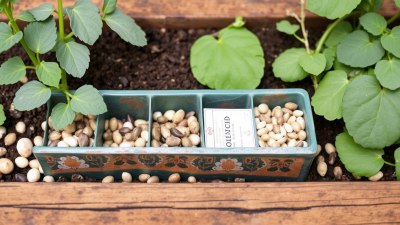
Image created with Flux Schnell
Collecting and cataloging seeds from your garden is a gratifying and beneficial practice that fosters sustainable gardening. It allows gardeners to preserve heirloom varieties, save money on future planting, and contribute to the conservation of plant biodiversity. To successfully collect and catalog seeds, one must be familiar with different seed types, optimal collection methods, and effective organization techniques.
Understanding Different Types of Seeds
Seeds come in various forms, each with specific characteristics that influence how they should be handled and stored. Broadly, seeds can be categorized into two types: open-pollinated seeds and hybrid seeds. Open-pollinated seeds come from plants that are pollinated naturally, ensuring the newly produced seeds are true to the parent plant. This trait makes them ideal for saving year after year.
Hybrid seeds are created by cross-pollinating two different varieties of the same species, producing offspring with particular desired traits. However, seeds collected from hybrid plants will not produce plants identical to the parent. Understanding these differences is the first step towards successful seed saving.
Best Practices for Collecting Seeds
Collecting seeds requires careful timing and technique. Seeds must be harvested when they are fully mature for the best chance of germination. This generally occurs when seed pods or fruits have dried but before they open and disperse seeds. Regularly check your plants as they mature and take notes on their development.
To collect seeds effectively, follow these steps:
- Identify Seed Maturity: Each plant species has a unique maturation process. Look for changes in color and texture and research specific plants to understand when their seeds should be collected.
- Use Clean Tools: Employ clean, sterile tools like scissors and containers to avoid contamination. This is especially important if you are collecting seeds from different plant varieties.
- Harvest in Dry Conditions: Aim to collect seeds on dry days as moisture can affect seed quality. Avoid harvesting in the morning when dew may still be present.
- Label Everything: As you collect seeds, label your containers to avoid confusion later. Include the plant name, date of collection, and any other pertinent information.
Drying Seeds for Storage
Once you have collected the seeds, it is vital to ensure they are dried properly to prevent mold and decay. Depending on the type of seed, the drying process can vary:
- Small Seeds: For tiny seeds, spreading them on a paper towel in a single layer is sufficient. Allow them to air dry in a cool, dark place for several days.
- Large Seeds: Larger seeds, like beans and peas, may need to be stored in a mesh bag or a breathable container to allow airflow during the drying process.
After drying, check for any remaining moisture by squeezing the seeds lightly. They should break apart easily and should not feel soft or pliable. If they feel moist, allow them to dry further before storage.
Cataloging Your Seeds
Cataloging seeds is essential for effective management and easy access. It streamlines the planting process and aids in tracking what varieties you have. Here are suggestions for an effective cataloging system:
- Basic Spreadsheet: Use a simple spreadsheet on your computer or a physical notebook. Categorize by plant species, variety, collection date, and notes on germination success.
- Digital Apps: Several apps are designed for gardeners to track seeds, plants, and growing conditions. These can be a great way to keep organized and access information quickly.
- Seed Catalog Cards: Create individual cards for each type of seed with the same information as your spreadsheet. This tactile approach can complement digital methods and aid in visual organization.
Best Storage Practices for Seeds
Proper storage is crucial for maintaining seed viability. Seeds need to be stored in conditions that minimize moisture, light, and temperature fluctuations. Consider the following storage tips:
- Use Airtight Containers: Store seeds in airtight containers made of glass, plastic, or mylar. This helps keep out moisture and pests.
- Cool, Dark Location: Keep your containers in a cool, dark place, like a basement or refrigerator. Temperature-regulated environments can prolong seed life significantly.
- Keep Drying Agents: Consider adding silica gel packets in storage containers to absorb excess moisture. Ensure these do not touch the seeds.
Long-Term Seed Storage
If you plan to store seeds for extended periods, select varieties known for their longevity and viability. Most seeds can last three to five years if stored correctly, but some varieties last longer.
Keep a log of seed purchases and format decisions based on longevity. For instance, consider vacuum-sealing your seeds in mylar bags for the most extended storage times. If you’re storing seeds that can survive long-term, ensure they undergo each preservation step meticulously to maintain their quality.
Growing from Saved Seeds
Once you’ve successfully collected and cataloged your seeds, the next step is germination. Start your seeds indoors or directly in your garden, depending on the variety and your local climate. Make sure to adhere to proper sowing depths and spacing guidelines, as indicated by recognized gardening resources.
Monitor seedlings closely for signs of stress or disease. This will help you understand which varieties perform best in your environment and inform future seed collection efforts. Additionally, track germination timelines and adjustments you make during the growing process to aid the growth of future plants.
Collecting and cataloging seeds from your garden is not just a way to save money; it is a commitment to biodiversity, conservation, and self-sufficiency. Through meticulous practices in collecting, drying, and storing seeds, along with a robust cataloging system, gardeners can foster a deeper connection to their plants, ensuring they preserve unique varietals for generations to come. Embrace the adventure of seed saving, harness the skills you gain, and enjoy a flourishing garden that reflects your efforts and dedication.