Collecting and Cataloging Different Types of Shells on Beaches
Learn how to collect and catalog various types of shells found on beaches. Discover tips and techniques for enthusiasts!
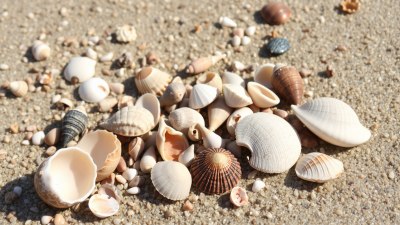
Image created with Flux Schnell
Collecting and cataloging shells on beaches can be a captivating hobby that connects enthusiasts with nature. Not only does it allow for exploration of the marine environment, but it also fosters an appreciation for biodiversity. From the simple act of beachcombing to the detailed process of cataloging, this pastime offers both relaxation and education. In the following sections, we will dive into methods for gathering shells, different types to look for, and how to effectively document your findings.
The Joy of Beachcombing
Beachcombing is essentially the act of walking along a beach while looking for items of value or interest. Shells, driftwood, sea glass, and other treasures often wash ashore, providing a sense of casual adventure. Carrying a small bag to collect shells and being mindful of each step can enhance the experience. It’s important to remember to respect the environment while beachcombing; only collect shells that are already dead and avoid disrupting living organisms and their habitats.
What Types of Shells Can You Find?
Different beaches host various types of shells, many of which belong to marine animals like mollusks, snails, and clams. Some commonly found shells include the following:
Conch Shells
Conch shells are large, spiral-shaped shells popular among collectors. They often showcase beautiful colors and patterns. Finding a perfect conch shell can be challenging due to their size, but if you do, ensure you document it in detail.
Clam Shells
Clam shells are bivalve mollusks known for their symmetrical shapes. They come in many varieties, with some presenting intricate designs and textures. Look for both halves of the shell to make the most interesting display.
Scallop Shells
Scallop shells are recognizable for their fan-like shape. Typically found washed up during certain seasons, their vibrant colors make them a favorite among shell collectors. They also make excellent additions to craft projects.
Sea Snail Shells
Sea snail shells can come in a variety of shapes and sizes, with some having striking patterns and colors. They can often be identified by their distinct spirals. Searching among rocky areas may yield more exotic finds.
Uniqueness of Shells
Each shell tells a story of its origin. Factors like the habitat, the age of the animal, and its diet can influence the shell's appearance. Knowledge of local species enhances the beachcombing experience, allowing enthusiasts to appreciate the ecological interactions that created each unique shell.
Tools for Shell Collecting
To successfully collect and catalog shells, a few essential tools are helpful. A sturdy, lightweight bag to carry your finds is crucial. Some collectors also prefer to bring a small digging tool to help unearth buried shells. A digital camera or a smartphone allows you to snap pictures of your finds to keep a visual catalog, while a notebook can help you jot down observations. Additionally, a field guide for shells specific to your region can aid in accurate identification.
Best Practices for Collecting
While collecting shells, practicing good etiquette is essential. Adhere to local laws and regulations which might restrict collecting in certain areas. In some places, permits might be required; ensure you are informed. Keep in mind the importance of sustainability—limit your collection to avoid depleting local marine life populations!
Cataloging Your Collection
Once you have gathered a selection of shells, the next step is cataloging them. A systematic approach helps keep track of your collection and enhances your appreciation for each specimen. Here’s a simple method to catalog your shells:
1. Create a Database
Using a spreadsheet program or an app designed for cataloging can be beneficial. Create columns for your shell’s name, date of collection, location found, and any identification notes. This will streamline your cataloging process and make it easy to reference later.
2. Photographing Your Finds
Take clear photographs of each shell against a neutral background. Ensure that each shell is captured from different angles to highlight unique features. You can document texture, color variations, and any identifying characteristics through these images.
3. Labeling
For physical organization, consider labeling each shell. Use a waterproof label maker or write on tags securely attached to each shell. Include information such as its identification, date found, and location to refer back to later.
4. Grouping Similar Shells
Organizing your collection can also involve grouping similar types together, such as by species or shape. Consider creating themed displays, which can be a beautiful way to showcase your finds while also making it easier to locate specific shells.
Enhancing Your Knowledge
Continuously learning about shells and the creatures that inhabit them can heighten your appreciation and understanding of your collection. Consider joining local shell clubs or online forums where enthusiasts gather to share knowledge and experiences. Books, documentaries, and educational resources can also provide valuable insights into marine biology and ecology.
Displaying Your Collection
Beyond cataloging, displaying your collection is a joyful way to share your passion with others. Use shadow boxes, glass jars, or customized displays that suit your aesthetic preference. Displaying in a well-lit area brings attention to the natural beauty of each shell and makes for an eye-catching decoration.
Shell Collecting and Conservation
As you venture into the world of shell collecting, it’s vital to advocate for the conservation of marine environments. Understand the impact of over-collecting and educate others about sustainable practices. Participate in beach clean-ups and local conservation efforts to protect habitats critical to marine life.
Shell collecting and cataloging can be a fulfilling hobby that combines creativity, education, and environmental awareness. Whether you are a seasoned collector or just beginning, each shell you find contributes to understanding the beauty and complexity of marine ecosystems. Remember to approach the seas responsibly and with respect for nature to ensure future generations can enjoy the thrill of beachcombing. Happy shell hunting!