Following the Smell of Bread Through the Villages of Georgia
Explore the enchanting journey through Georgia's villages guided by the aroma of freshly baked bread.
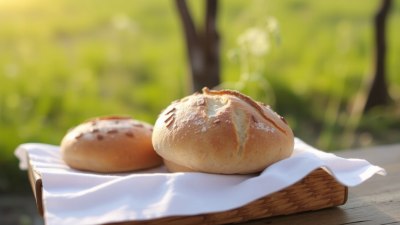
Image created with Flux Schnell
In the heart of Georgia, nestled amidst rolling hills and ancient landscapes, lies a profound connection to the earth and its bounty—bread. This simple yet essential staple holds a significant place in Georgian culture, and its aroma wafts through the villages, inviting both locals and travelers to partake in its warm embrace. Following the smell of bread is not merely a culinary pursuit; it is a journey through history, tradition, and the vibrant spirit of Georgia's people.
The journey begins in the early morning hours, when the first rays of sunlight peek over the mountains, casting a golden hue across the quaint villages. As the sun rises, bakers awaken to prepare their dough, mixing flour, water, and a sprinkle of salt, infused with generations of secrets passed down through their families. Each village has its unique method of bread-making, shaped by local ingredients and traditional practices, making every loaf a story in itself.
The Art of Bread-making in Georgia
In Georgia, the art of bread-making is revered as a sacred skill. Local bakeries, known as 'tonetis', employ a traditional clay oven called 'tone' where the bread—often called 'puri'—is baked to perfection. The process of making puri is an exquisite ritual that embodies a sense of community. Villagers come together, sharing laughter and stories, as they prepare the dough and tend to the fiery oven. The joy of this experience is palpable; it’s a gathering of smiles, love, and warmth, all bolstered by the enticing scent of bread baking.
As dawn breaks, the tantalizing scent of warm puri fills the air. The rich aroma is a reminder of home, drawing people from all directions to the bakeries. The crunch of the freshly baked crust juxtaposed with the soft, airy interior creates a sensory delight that is hard to resist. Beyond its taste, bread in Georgia represents sustenance, comfort, and the essence of hospitality—an open door with a loaf of warm bread often awaits visitors.
A Culinary Journey
Wandering through the villages, one may encounter a variety of bread types, each with its distinct characteristics and flavors. There’s 'shoti', elongated in shape and typically baked in a tapered oven, which can be enjoyed plain or with various toppings, including cheese or herbs. Another favorite is 'lobiani', a savory bread filled with spiced red bean paste, showcasing the ingenuity of Georgian cuisine. The diversity of breads reflects the country’s rich agricultural resources, where farmers cultivate local grains and ingredients that are transformed into delightful baked goods.
Each bite of Georgian bread is an invitation to celebrate the land’s bounty. The golden fields of wheat sway gracefully in the breeze, symbolizing the heart and soul of the villages. As we follow the smell of bread, we also uncover stories that bind the community, tales of struggle and resilience, all infused into the very grain that is used to forge these ancient recipes.
Celebrations and Traditions
In Georgia, bread is not merely food; it is entwined with customs and traditions. During celebrations and significant life events, such as weddings or birth announcements, the presence of bread is paramount. The ritual of 'khorovats', or grilled meat, paired with fresh puri, enhances any social gathering, creating an atmosphere of joy and togetherness. Festivals dedicated to bread and its cultural significance can be found throughout the year, where bakers showcase their skills, and communities gather to toast with homemade wine and share stories.
The craft of baking is often passed from generation to generation, with each batch of dough holding the legacy of those who came before. Observing elder bakers skillfully shaping the dough, one can learn about patience and dedication, key virtues that resonate deeply within Georgian culture. Perhaps that is why each loaf captures not just flavor, but also the essence of family and community.
The Role of Bread in Georgian Society
In Georgian society, bread signifies more than just a meal. It symbolizes hospitality and respect. When entering a home, offering bread to guests is a sign of welcome, an expression of abundance that resonates throughout the culture. Sharing a meal, especially one centered around bread, fosters connections, celebrates friendships, and brings families together. The simple act of breaking bread becomes a profound gesture that transcends language barriers and strengthens bonds.
As we stroll through the villages, the sight of women kneading dough and children playing nearby paints a vivid picture of life linked to this staple food. Each family nurtures its own traditions while contributing to the tapestry of Georgian cuisine. People often say that bread has a soul; it embodies the hopes and dreams of the community, symbolizing both unity and continuity.
The Connection to Nature
Georgia's breathtaking landscapes, where mountains meet valleys, offer fertile ground for agriculture, creating a symbiotic relationship between the land and its people. The grains used in bread-making are lovingly cultivated by local farmers, ensuring a sustainable cycle of production. This connection between agriculture and baking embodies the heart of Georgian life, where respect for nature and seasons is paramount in crafting not only food but also culture.
Walking through the lush fields, one can sense the dedication and pride of the farmers who toil under the sun, nurturing the grains that will one day become cherished loaves of bread. The aroma of bread becomes a bridge, connecting the hard work of the farmers to the communal tables where families gather to enjoy the fruits of their labor. It’s a cycle of life that is both humbling and enchanting.
Culinary Influences
The Georgian landscape has not only shaped the local bread but has also been influenced by various cultures over centuries. The Bread Road, a historic trade route, brought spices, grains, and culinary techniques from across Central Asia and the Middle East to Georgia, enriching its baking traditions. As we follow the smell of bread through the villages, we uncover a tapestry of flavors that reflects the nation’s diverse heritage, blending influences from neighboring countries into its own unique style.
For instance, the use of herbs and spices in Georgia’s breads hints at the Persian presence in the region, while the incorporation of various flours showcases a range of grains that have traveled along trade routes. The continuous adaptation and innovation in baking illustrate the resilience and creativity found within Georgian culture.
Modern Expressions of Tradition
Today, as globalization touches every corner of the world, Georgia finds itself at a crossroads between tradition and modernity. While the essential methods of bread-making remain deeply rooted in ancient practices, modern bakers are experimenting with new ingredients, flavors, and presentations, catering to evolving tastes while respecting their heritage.
In urban centers, artisan bakeries emerge, crafting gluten-free options and sourdough variations while staying true to the spirit of Georgian bread. This blend of old and new creates a vibrant culinary scene, inviting new generations to experience the magic of bread that has long defined their identity. As we follow the smell of bread, we also witness innovation intertwined with tradition, creating a dynamic culinary landscape that thrives on both nostalgia and creativity.
Experiencing the Bread Culture
To truly experience the rich tapestry of Georgian bread culture, one must not only taste but also participate in its creation. Many villages offer workshops where visitors can learn the art of making puri, embracing the tactile joy of kneading dough and shaping loaves. These experiences create a profound appreciation for the effort put into each loaf and a deeper understanding of the cultural significance of bread in Georgian life.
Moreover, culinary tours through the villages allow travelers to visit local families and taste various homemade breads, accompanied by traditional dishes and wines. By sharing a meal with a Georgian family, one not only savors the flavors but also engages with the stories and traditions that have shaped their community. These connections foster lasting memories and friendships, often transcending cultural differences.
A Journey Worth Taking
Following the smell of bread through the villages of Georgia is a journey that transcends mere gastronomy; it is an exploration of history, culture, and community. It reveals the agony and ecstasy of life, intertwined with the simple act of bread-making. Every loaf tells a story, carrying with it the legacy of countless hands that have shaped it with love and care.
As we embark on this aromatic adventure, we uncover not only the origins of bread but also the values and traditions that have sustained generations. In every bite of Georgia’s bread, we taste a rich narrative of resilience, unity, and love—a reminder that there is always a seat at the table when it comes to sharing food and stories in the Village of Georgia.