Hagia Sophia in Turkey Knows Too Many Names
Explore the rich history and architectural significance of Hagia Sophia, a monument with a multitude of names.
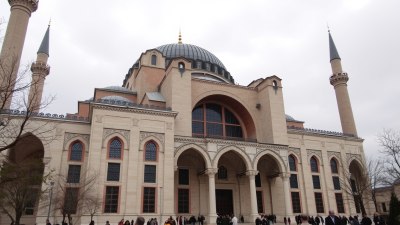
Image created with Flux Schnell
The Hagia Sophia, a magnificent structure located in Istanbul, Turkey, has a rich and layered history that spans over a millennium. Originally constructed as a cathedral, it has served various purposes throughout its existence, each phase imbued with historical significance and cultural resonance. From its inception in 537 AD to its modern status as a museum and mosque, the Hagia Sophia's many names reflect its transformation and the societies that have claimed it. In this article, we shall delve into the architectural beauty, historical transformations, and the diverse cultural identities associated with the Hagia Sophia.
The Architectural Marvel of Hagia Sophia
When one considers the Hagia Sophia, the first aspect that stands out is its architectural grandeur. Designed by the architects Anthemius of Tralles and Isidore of Miletus, the structure was groundbreaking for its time, featuring a vast dome that seemed to float above the inner sanctuary. The dome measures 31 meters in diameter and is supported by a series of arches and buttresses. This innovative design not only dazzled the Byzantine Empire but also influenced architectural styles for centuries to come, inspiring structures such as the Blue Mosque in Istanbul and even Renaissance cathedrals across Europe.
The use of light within the Hagia Sophia further enhances its otherworldly atmosphere. The architects cleverly positioned windows around the base of the dome, creating an optical illusion that the dome is hovering in mid-air. This remarkable effect imprints a feeling of divine presence, drawing in visitors and worshippers alike. The intricate mosaics adorning the interior depict various religious figures, including Christ, the Virgin Mary, and various saints, illustrating the Byzantine mastery of art and devotion. These artworks, many of which have been partially covered or modified in later years, tell the tale of Hagia Sophia's spiritual and cultural significance.
A Brief History of the Hagia Sophia
The Hagia Sophia's history can be traced back to the early Byzantine Empire, specifically during the reign of Emperor Justinian I. He sought to build a monument that would exemplify the glory of Byzantium and serve as a central place of worship for Christians. For nearly a thousand years, the Hagia Sophia functioned as a cathedral, standing as a symbol of Orthodox Christianity. It was the world's largest cathedral for nearly a millennium until the completion of Seville Cathedral in Spain in the 16th century.
In 1453, the Ottoman Empire, led by Sultan Mehmed II, conquered Constantinople and transformed the Hagia Sophia into a mosque. The Sultan famously declared that he would make a mosque out of this grand cathedral, symbolizing a shift in religious power and cultural identity. The iconic minarets were added later by subsequent Ottoman sultans, each contributing to its evolving aesthetic. This period instilled the Hagia Sophia with the name Ayasofya, aligning it with the vernacular of the Ottomans and further embedding it in the Muslim cultural framework.
Symbol of Cultural Confluence
The multifaceted identity of Hagia Sophia resonates deeply with the themes of cultural confluence and transition. For centuries, it stood at the crossroads of Christianity and Islam, serving as a cultural symbol of two civilizations. Its layered history reflects the tumultuous shifts of empires and the complex interrelations between different religious communities. In addition to its architectural transformation, its various names throughout history further encapsulate this duality; as Ayasofya, it embodies Islamic heritage while also being remembered as a crucial monument of the Christian faith.
The preservation of Hagia Sophia's Christian mosaics amidst its Islamic adaptations poses an interesting narrative of coexistence. For example, following the conversion to a mosque, many Christian symbols were covered, yet they were never removed. This has allowed for a unique dialogue between the two faiths, marking the Hagia Sophia as an essential site for theological and cultural discussions.
The Modern Era of Hagia Sophia
In the 20th century, the Hagia Sophia experienced a significant transformation when it was secularized and turned into a museum in 1935 by the Republic of Turkey, led by Mustafa Kemal Atatürk. This move was monumental in establishing the Hagia Sophia as a symbol of secularism and national identity. As a museum, it fostered appreciation for its historical significance and artistic merit beyond religious affiliations, making it a vital part of Turkey's cultural heritage. The museum status allowed millions of visitors from around the globe to explore its architectural wonders and historical narratives.
However, in July 2020, a controversial decision was made to reconvert the Hagia Sophia into a mosque, a move that sparked extensive debate both domestically and internationally. Proponents of the decision saw it as a restoration of Islamic heritage, while critics argued it could deepen the cultural divide between various religious communities. The ongoing discussions surrounding the Hagia Sophia reflect broader tensions in a world grappling with issues of identity, heritage, and coexistence.
Visiting the Hagia Sophia
Today, the Hagia Sophia continues to be a place of pilgrimage for individuals from various walks of life, including tourists, historians, and devotees. Visitors are often struck by the structure's grandeur and the pervasive sense of history echoing within its walls. The combination of quiet contemplation and the opportunity to appreciate its artistic marvels makes a visit to Hagia Sophia an unforgettable experience.
As one walks through its vast halls, the breathtaking mosaics, grand arches, and soaring ceilings provide a vivid sense of the past. Guided tours often illuminate the unique stories encapsulated within its walls, deepening the visitor's understanding of its cultural significance. With its dual identity as a mosque and a historical site, the Hagia Sophia continues to be a living testament to the resilience and diversity of human civilization.
The Hagia Sophia is more than just a building; it symbolizes the rich intertwining of cultures, religions, and histories. Its various names reflect not merely its architectural transitions but also embody the dynastic changes, geopolitical shifts, and theological dialogues that have unfolded over centuries. As we reflect on the Hagia Sophia, we appreciate its role as a unifying force that transcends religious boundaries and celebrates the beauty of diverse human expression. Whether as a cathedral, mosque, or museum, Hagia Sophia remains an enduring symbol of the complexities of history, faith, and cultural identity, continuing to inspire generations to come.