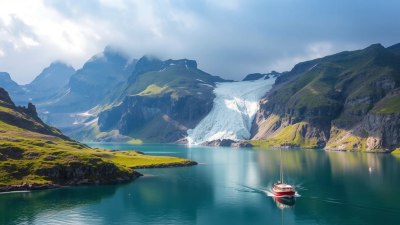
Hearing the Himalayas Without Saying a Word
Explore the silent yet profound whispers of the Himalayas in this captivating article.
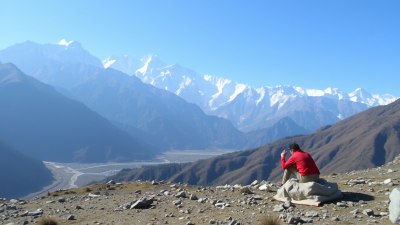
Image created with Flux Schnell
The Himalayas, a name that resonates with grandeur and majesty, evoke feelings of tranquility and inspiration. Nestled between five countries, these mountains are more than just physical formations; they are a sanctuary for the soul, a place where whispers of nature speak louder than words.
The Geography of Silence
The expanse of the Himalayas extends over 1,500 miles across five countries: India, Nepal, Bhutan, China, and Pakistan. Within this massive range, the atmosphere shifts dramatically, creating an environment where silence reigns supreme. The elevation of these mountains creates natural barriers that block the sounds of modern civilization, inviting those who visit to immerse themselves in the symphony of nature.
Mountains as Sacred Spaces
The Himalayas are often considered sacred in many cultures, particularly in Hinduism and Buddhism. They are revered as the home of gods and spiritual figures. For instance, Mount Kailash is a significant pilgrimage site for Hindus, believed to be the abode of Lord Shiva. The silence of these sacred places offers a unique acoustical experience, allowing one to feel the vibrational energies that many believe emanate from these peaks.
The Language of Nature
In the Himalayas, the language spoken is not of but of the elements. The rustle of leaves, the whispering wind, and the distant sound of a waterfall all combine to create a natural dialogue. The impact of these sounds can be meditative, inviting introspection and contemplation. Each sound reverberates through the landscape, turning the mountains into a living entity that communicates in its own rhythmic manner.
Experiencing Solitude
In a world filled with noise, the concept of solitude is increasingly rare. A trek into the Himalayas can reveal a profound sense of solitude that energizes the soul. This solitude is amplified by the absence of human-made sounds. One can spend days or weeks trekking through the vast landscapes, with only the sounds of nature filling the auditory space. This experience can be both grounding and enlightening, serving as a reminder of life’s simpler, quieter pleasures.
Waterfalls and Streams
The sound of water flowing over rocks is a hallmark of the Himalayan ecosystem. From the gushing torrents of rivers to the trickling of streams, water provides a serene soundtrack to the mountainous landscape. Each droplet and cascade contributes to an auditory landscape that can calm the mind and invigorate the spirit. Many find that the sound of water can lead to moments of deep reflection, where thoughts can flow as freely as the stream itself.
The Influence of Silence on the Mind
Scientific studies have shown that exposure to natural environments — particularly those characterized by silence — can enhance mental well-being. The absence of urban noise allows the brain to reset and rejuvenate. In the Himalayas, this effect is magnified, as the combination of stunning vistas and tranquil sounds fosters creativity and clarity of thought. Many writers and artists journey to the mountains to find inspiration, often emerging with newfound ideas and perspectives.
The Impermanence of Sound
In the context of the Himalayas, sound is often fleeting. The winds may carry the calls of animals or the rustle of leaves, but these sounds can change moment to moment. This impermanence serves as a reminder of the present, encouraging one to tune in to the here and now. In a world that often emphasizes the importance of the spoken word, the Himalayas encourage visitors to embrace the power of presence and observation.
The Connection Between Sound and Sight
The relationship between what is heard and what is seen in the Himalayas is deeply interconnected. Observing the majesty of a mountain peak or the vibrant colors of a sunset can evoke specific feelings and thoughts that resonate in silence. The visual aspects of the Himalayas, combined with the tranquil sounds, create a harmonious experience that transcends language. Many find themselves feeling a sense of oneness with nature, fostering a greater appreciation for life and existence.
The Spiritual Dimension of Sound
The spiritual dimension of sound in the Himalayas is profound. Many traditions utilize sound as a means of connecting with the divine. Chanting, singing, and meditative practices often resonate within these mountains, creating echoes that inspire those who listen. The act of maintaining silence allows one to hear the subtle vibrations present in these sounds that are often lost in the cacophony of everyday life.
A Journey Beyond Words
Traveling to the Himalayas is more than a physical journey; it is a journey into oneself. The silence found in these mountains allows for introspection and self-exploration. As the sound of one’s footsteps on the trail becomes a quiet mantra, a connection with the surrounding landscape deepens. In this sense, the Himalayas guide us to discover parts of ourselves we may have overlooked amidst the noise of modern life.
Challenging the Norms of Communication
In an age rife with digital communication, the Himalayas challenge us to reconsider how we communicate. Words can often become superficial barriers to understanding. In contrast, the language of silence offers a deeper, more profound connection with the environment and with oneself. This experience can alter one’s perspective on relationships and communication, highlighting the value of listening over speaking.
Silence as a Form of Resistance
In the political landscape, silence can serve as a powerful form of resistance. The Himalayas have long stood as a symbol of resilience against adversities faced by the communities living within and around them. The mountains are witness to stories of survival, and their silent presence can inspire individuals to rise above challenges in their own lives, fortifying resolve and determination.
Ecological Impacts of Sound
The ecological impacts of sound, particularly in the context of the Himalayas, are critical. The noise generated by human activities can disrupt wildlife and natural patterns. However, in the silent embrace of these mountains, ecosystems can thrive undisturbed. This tranquility allows one to appreciate the delicate balance of nature and the importance of conserving such environments for future generations.
Finding Peace in Nature
Ultimately, the Himalayas offer a unique opportunity to find peace in nature. The experience of listening without words opens up avenues for healing and reflection. Countless individuals have returned from the mountains transformed, having forged a deeper connection with themselves and the larger world. They carry with them the whispers of the Himalayas, reminding us that sometimes the most profound messages are found not in what is said, but in the silence that surrounds us.
The Himalayas stand as monumental guardians of silence, embodying a spirit that encourages exploration within and beyond. Whether through a solitary trek, a moment of meditation near a bubbling stream, or the view from a mountain pass, the experiences these mountains offer resonate forever. Perhaps it is in their very silence that we hear the truest echoes of our souls, prompting us to reflect, to dream, and ultimately, to understand.