Learning to Play Local Instruments on Your Cultural Travels
Explore the joy of learning local instruments during your cultural travels and deepen your travel experience.
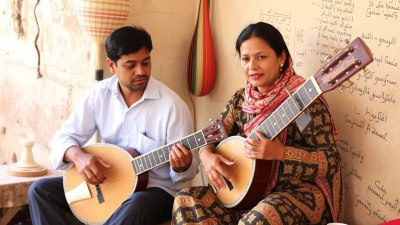
Image created with Flux Schnell
Traveling is often about experiencing new cultures, tasting exotic foods, and seeing breathtaking sights. Yet, one of the most enriching ways to connect with a culture is through its music and instruments. Learning to play local instruments during your cultural travels can enhance your experience and provide a unique insight into the local way of life. This journey into music not only enables you to understand the sounds that characterize a region but also helps forge connections with locals and offers a form of expression.
The Importance of Music in Culture
Music is a universal language that transcends borders. Each culture possesses its unique musical traditions that are fundamental to its identity. Instruments often carry historical significance and reflect the social and cultural evolution of a community. For example, the sitar in India is not just an instrument but also a symbol of classical music rich with centuries of tradition. Engaging with these instruments allows travelers to appreciate the stories and practices tied to them.
Choosing Your Destination
When planning your travels, consider destinations renowned for their music and local instruments. Places like Cuba, India, and Japan are famous for their vibrant music scenes. In Cuba, the rhythms of salsa and son come alive with the guitar and tres, while India offers a plethora of instruments such as tablas and dholaks. In Japan, the shamisen and koto reveal a deep connection with the land and the seasonal variations that influence their music.
Finding Local Music Classes
Once you reach your destination, actively seek out local music classes or workshops. Many cities offer short-term classes catering to tourists, allowing you to learn basic skills on instruments such as the ukulele in Hawaii or the marimba in Guatemala. Websites like Airbnb Experiences and Viator are excellent platforms to find immersive classes. Additionally, local community centers, universities, or music schools may have programs designed for both beginners and advanced learners.
Understanding the Instrument’s History
Understanding the history of the instrument you’re learning enhances the experience. Each instrument has a story to tell: the history of its creation, its role in traditional ceremonies, and how it has evolved over time. For instance, learning the didgeridoo in Australia goes hand in hand with understanding its significance to Indigenous cultures and its connection to spirituality and storytelling.
Participating in Group Jam Sessions
One of the best ways to learn a local instrument is to join a group jam session. These informal gatherings often welcome beginners and experienced musicians alike. You get to practice your skills, learn from others, and share your experiences. This environment fosters creativity and often leads to spontaneous musical collaboration that embodies the spirit of the locale. Whether it's joining a bongo circle in the streets of Havana or participating in a folk music night in Dublin, these experiences leave lasting memories and deepen your connection to the culture.
Connecting with Local Musicians
While learning an instrument, take the opportunity to connect with local musicians. They possess a wealth of knowledge that goes beyond technique; they can offer insights into the cultural significance of the music. Engaging with artists can lead to richer experiences, such as attending private performances or even participating in local festivals. Networking with musicians may also open doors to learning about other aspects of the local culture, including dance, art, and tradition.
Recording Your Musical Journey
Documenting your musical journey while traveling can be incredibly fulfilling. Consider keeping a journal where you note down your experiences, the sounds you encounter, and how learning an instrument impacts your travels. Recording videos of your practice sessions, especially in scenic locales, creates a beautiful archive of your adventures. This documentation can serve as a source of inspiration when you return home, reminding you of the rhythm and vibe of the places you've visited.
Incorporating Local Music into Your Life
Post-travel, continue the music journey by incorporating what you've learned into your daily life. Seek out local groups in your area that focus on the instruments you’ve played or join online communities. This ongoing engagement not only helps you retain the skills you’ve learned but also connects you to people who share your love for music and cultural exploration. Moreover, you could host a small gathering where you demonstrate songs you’ve learned or share stories of your travels and the talented musicians you encountered along the way.
Challenges of Learning Instruments While Traveling
Learning an instrument while traveling comes with its own set of challenges. Finding time to practice amidst exploring new places can be difficult. Furthermore, access to quality instruments can vary depending on your location. Packing an instrument can also be cumbersome and lead to issues with airlines, particularly for larger items like guitars or drums. However, by planning ahead and choosing destinations where rental options are available, you can mitigate some of these challenges.
Other Ways to Engage with Local Music
In addition to playing instruments, immerse yourself in local music through festivals, concerts, and street performances. Participating in local dance classes, attending cultural gatherings, or even visiting music museums can offer additional experiences and enhance your understanding of regional music. Each opportunity to engage culturally deepens your appreciation for the local traditions and expands your musical horizon.
The Transformative Power of Music
The transformative power of music has the ability to break down barriers and foster understanding across diverse cultures. By learning to play local instruments during your travels, you not only gain a new skill but also create meaningful connections. Music becomes a bridge between you and the culture, fostering friendships and shared experiences while bringing joy to the journey.
Ultimately, cultural travels enriched by music and personal engagement with local instruments can create lifelong memories and insights. The joy you find in learning a local instrument can open your heart to vulnerability and expression, allowing you to embrace the essence of each place you visit. So, as you plan your next adventure, remember to pack not just your clothes but also a spirit of openness to engage with music in ways that may change the course of your journey. Cultivating a love for music can transform your travels into a deeper exploration of humanity's shared essence and pave the way for a lifetime of connections.