Listening to Tradition in the Highlands of Papua New Guinea
Explore the rich traditions and vibrant cultures of the Papua New Guinea Highlands.
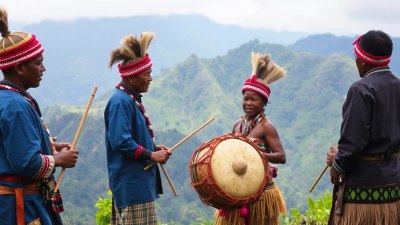
The Highlands of Papua New Guinea, a region of unparalleled beauty and cultural richness, offer a unique glimpse into the traditions of its indigenous peoples. Nestled amidst the steep mountain ridges and lush valleys, this area is home to a diverse array of tribes, each with its own language, customs, and rituals. The traditions in these highlands serve not only to connect the tribes to their ancestors but also to preserve their identity in a rapidly changing world.
The Highlands are known for their vibrant festivals, which are a crucial aspect of local culture. Events like the Goroka Show bring together different tribes, showcasing their traditional dances, costumes, and music. These festivals not only celebrate heritage but also foster unity among tribes, strengthening communal ties. The bright colors of costumes and the rhythmic sounds of traditional instruments, such as the garamut, or slit-drum, create a sensory experience that immerses visitors in the region's cultural landscape.
Traditional Music and Dance
Music and dance are fundamental to the ceremonial life of the people in the Highlands. Each tribe has its own unique musical style, incorporating instruments made from local materials. Traditional songs often recount tales of ancestors, agricultural cycles, and historical events, serving as a narrative medium for passing down traditions. The practice of storytelling through song is an essential way for the tribes to maintain their history and communicate their values.
Dance is similarly significant, with each movement carrying symbolic meaning. Dances are performed during important events such as weddings, funerals, and community gatherings. The performers wear elaborate costumes, often adorned with feathers, beads, and face paint, which play a role in presenting their tribal identity. These performances forge a deep sense of pride and belonging among the participants while leaving an indelible impression on audience members.
Ceremonies and Rituals
Rituals are an integral part of life in the Highlands, marking crucial transitions such as births, initiations, and deaths. Each ceremony is steeped in cultural significance, often involving elaborate preparations. For example, a coming-of-age ceremony may involve the young person undergoing tests of bravery and skill, earning the respect of their community.
Funeral rites are particularly elaborate, as they reflect the community's respect for the deceased. These rituals can last several days, involving feasting, the sharing of stories, and a display of mourning. The rituals emphasize community cohesion and ensure that the memory of the deceased continues to be honored and revered.
Art and Craftsmanship
The artistic expressions of the Highlands people also play a vital role in preserving tradition. The region is renowned for its intricate carvings, masks, and weavings. Artisans use skills passed down through generations to create pieces that are not only beautiful but also serve ceremonial purposes or tell stories about the community's history.
Carvings are essential to many rituals, often representing ancestral spirits or depicting important cultural symbols. These artworks can be found in homes, community centers, and during ceremonies, acting as focal points for cultural expression. Weaving, too, is often a communal activity, with women gathering to create traditional garments and baskets that showcase their skills and creativity.
Language Preservation
Language is a cornerstone of tradition in the Highlands, with over 800 distinct languages spoken across Papua New Guinea. Each language reflects the identity and history of a tribe, carrying unique stories and cultural values. Efforts to preserve these languages are crucial to maintaining cultural diversity in a world increasingly dominated by global languages.
A growing number of initiatives aim to document and revitalize endangered languages in the Highlands. These programs involve community members in teaching younger generations, ensuring that the rich linguistic heritage of the region is not lost. This language revival is central to preserving the cultural landscape of the Highlands, fostering pride and a sense of belonging among the youth.
Challenges to Tradition
Communities are grappling with the balance between modernization and the preservation of their culture. Many tribes are adapting to contemporary circumstances while striving to hold onto their values and traditions. This dynamic interplay between tradition and modernity creates a unique cultural landscape that continues to evolve, while still holding onto the core aspects of identity.
The Role of Tourism
Tourism has emerged as a double-edged sword for the Highlands of Papua New Guinea. On one hand, it brings economic opportunities and encourages cultural exchange; on the other, it risks commodifying traditions. Responsible tourism aims to support local communities by encouraging visitors to engage with cultural practices authentically, helping to sustain traditional livelihoods while also promoting cultural preservation.
By participating in cultural experiences, tourists can gain deeper insights into the lives of the Highland people. Traditional homestays, guided tours of local ceremonies, and craft workshops allow for meaningful interactions between visitors and residents, fostering mutual respect and understanding. Ensuring that such initiatives do not exploit but rather uplift the communities is essential for the future of cultural heritage in the region.
Future Directions
The future of tradition in the Highlands of Papua New Guinea lies in the hands of its people. Young generations are being encouraged to embrace their cultural heritage while simultaneously pursuing modern education and opportunities. This blending of old and new can create a vibrant cultural revival that respects ancestral roots while thriving in contemporary society.
Community-led initiatives focusing on education, language preservation, and sustainable tourism are crucial for safeguarding cultural traditions. As technology connects the world, it also offers innovative ways for communities to share their stories, art, and values globally. This progress toward a more integrated approach to tradition and modernity is key to ensuring that the Highlands can celebrate their rich cultural tapestry for years to come.
Ultimately, the traditions of the Highlands of Papua New Guinea offer invaluable lessons about resilience, identity, and the power of community. As the world evolves, so do the stories, music, and practices of the Highland people, embodying the spirit of their ancestors while paving the way for future generations.