Petra in Jordan Only Opens for Those Who Whisper
Discover the mystical Petra in Jordan, a UNESCO World Heritage Site, and its secrets for those who approach with reverence.
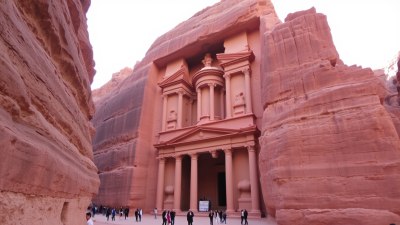
Petra, the ancient city carved from rose-red cliffs, is one of the most remarkable archaeological sites in the world. Nestled in the Jordanian desert, it served as a crucial trading post for the Nabataeans, bustling with activity from the 5th century BC until the 2nd century AD. This UNESCO World Heritage Site offers a unique visual feast and unparalleled historical significance, attracting thousands of tourists every year. However, whispered tales hint at a deeper layer to Petra, suggesting that its true magic reveals itself only to those who approach it with reverence and humility.
The Enigmatic Entrance
Visitors to Petra typically commence their journey through the Siq, a narrow gorge that stretches for approximately 1.2 kilometers. The Siq is characterized by towering cliffs that rise up to 80 meters high, creating a dramatic pathway to the ancient city. As one traverses the winding path, the whispers of history echo off the rock walls, inviting a careful exploration of the site. This initial section serves as a gentle introduction to the mystical aura surrounding Petra.
The whispers around Petra aren’t only about its stunning architecture or historical significance but also encompass the legends entwined with this iconic site. Some travelers claim that to truly experience the spirit of Petra, one must whisper their intentions and desires into the air as they walk through the Siq. According to local lore, these soft spoken words summon the ancient energies of the Nabataeans, enhancing one’s experience of the city. This makes the act of visiting not just a journey through time, but also a soulful experience, connecting visitors to the land's mystical essence.
Astonishing Architecture
As visitors emerge from the Siq, they are greeted by the iconic façade of Al-Khazneh, or the Treasury, which is the first monumental structure that captures the eyes of many travelers. Carved directly into the canyon wall, the façade stands an impressive 39 meters high, adorned with intricate sculptures that hint at its former glory as a royal tomb. While its beauty captivates the imagination, the true wonder lies in the details that can be observed upon closer inspection. Those who whisper their thoughts and praises to this structure often find themselves more attuned to the artistry and significance behind each carving.
Moving deeper into Petra, visitors can explore an array of other impressive structures, including the Monastery (Ad Deir), which is often overlooked due to its distant location. This grand building is larger than Al-Khazneh, yet many miss it due to its challenging access route. However, those who take the trek, whispering encouragement and aspirations along the way, often report feeling a sense of accomplishment and connection with their surroundings upon arrival. The journey itself turns into a personal pilgrimage, making the final destination all the more rewarding.
Cultural Echoes
Throughout Petra, remnants of the Nabataean civilization's advanced architecture and engineering can be observed. The water conduit system is particularly noteworthy, showcasing their ingenuity as they channeled water from the surrounding mountains, enabling agriculture in this harsh landscape. This feat of engineering not only served practical purposes but is also symbolic of the innovation prevalent among the Nabataeans. Whispering about the ingenuity of the ancients as one walks along these paths often enhances the experience, creating a bond with those who walked these very steps centuries ago.
Local guides frequently share anecdotes of the Nabataeans, providing insights into their culture, religion, and daily life. Listening attentively while whispering questions fosters a deeper dialogue and connection with the guides, enriching the overall experience. The welcoming smiles of the local Bedouin community invite visitors to engage, share stories, and reflect on their journey. It becomes evident that Petra is not just a place for sightseeing, but a space for cultural exchange and understanding.
The Spiritual Side
For many, visiting Petra transcends mere tourism; it becomes a spiritual journey. The surrounding landscape, dotted with rugged mountains, serves as a backdrop for introspection and contemplation. Whispers in the wind seem to encourage visitors to pause and reflect, inciting feelings of gratitude and mindfulness. Many choose to meditate at sites like the High Place of Sacrifice, a significant ceremonial site from the Nabataean era. It’s here that the combination of natural beauty and historical significance creates an atmosphere of serenity, enhancing spiritual practices.
Moreover, the sunset over Petra, painting the ancient city in shades of gold and crimson, is often described as a euphoric experience. Those who take a moment to whisper their appreciation for nature and history during this magical hour often feel a profound connection to the land. It’s a reminder of the ephemeral yet impactful moments that travel can bring, fostering a greater understanding of one’s place within the universe.
Preserving the Magic
As the number of visitors to Petra continues to grow, preserving its magic becomes a shared responsibility amongst all who come to explore this historic treasure. Sustainable tourism practices are essential to maintain the integrity of not just Petra but also its surrounding ecosystems and communities. Whispering words of respect for the land and its heritage as visitors navigate through the ruins contributes to a collective consciousness aimed at fostering preservation.
Local initiatives often encourage responsible practices, such as guided tours that minimize impact on the environment and promote awareness of local customs. Engaging with these initiatives enhances the experience, creating a sense of belonging and partnership in the endeavor of preservation. Conversations held in hushed tones among travelers can often spark ideas for sustainable practices, leading to a more enriching adventure. These learning moments become part of the whispered legacy people carry with them long after leaving.
Final Thoughts
Petra is steeped in art, history, and legend, wrapped in the whispers of time itself. Those who visit this ancient city should remember that it is more than just a destination; it is a living narrative waiting to be discovered. Every corner of Petra tells a story, and approaching it with a whispered promise to honor its legacy transforms the visit into an intimate dialogue between past and present. Travelers leave not only with memories of grand architecture and splendor but also with a sense of understanding and connection to the Nabataean spirit and the surrounding environment.
In conclusion, the experience of visiting Petra can be profoundly enhanced by adopting a mindset of reverence and curiosity. Whispers may seem insignificant, but they encapsulate the intentions of visitors and the energy of this timeless place. As you prepare for your own journey to Petra, consider the whispers that will accompany you—an invitation to connect with history, culture, and the enduring spirit of a place that continues to awe and inspire.