Prambanan Temple in Indonesia Hums With Forgotten Gods
Explore the mystical Prambanan Temple, a UNESCO World Heritage site, embracing the echoes of ancient deities.
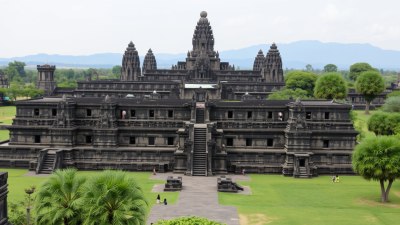
Image created with Flux Schnell
The Prambanan Temple, standing majestically in Central Java, Indonesia, is a testament to the rich cultural heritage of the region. As a UNESCO World Heritage site, it represents the pinnacle of Hindu architecture in Indonesia, echoing tales of gods and ancient spiritual practices. This magnificent structure, also known as Candi Prambanan, captures the beauty and intricacies of ancient Indonesian civilization.
Constructed during the 9th century, Prambanan boasts a stunning array of towering shrines dedicated primarily to the Hindu deities Shiva, Vishnu, and Brahma. Legend has it that this temple complex was built as a rivalry against the nearby Borobudur, which reflects the intense competition and the creative brilliance of ancient Javanese architecture. The temple complex consists of over 240 temples, with the three main ones forming a triangle representing the cosmic balance that permeates Hindu cosmology.
Architectural Significance
The architectural brilliance of Prambanan is evident from its towering structures. The main temple, dedicated to Shiva, reaches a height of 47 meters, making it the tallest temple in Indonesia. The intricate bas-reliefs depict stories from the Ramayana, illustrating the temple's deep connection to Hindu mythology and literature. The delicate carvings on the temple walls narrate epic tales of valor, love, and struggle, drawing visitors into a world of ancient legends.
The design of Prambanan showcases the early Javanese interpretation of Hindu temple architecture, which incorporates local elements while remaining true to its Indian roots. The central temples are surrounded by lesser shrines that enhance the spiritual ambiance of the complex. The entire ensemble is symmetrically arranged, signifying harmony and balance, principles inherent in Hindu philosophies.
Historical Background
The history of Prambanan can be traced back to the Sailendra Dynasty, known for their patronage of Buddhism as evidenced in the nearby Borobudur Temple. However, the temple complex represents a shift towards Hinduism, particularly during the Mataram Kingdom. This transition signifies the cultural syncretism that characterized Java's history, where various beliefs and practices coexisted and influenced one another.
Prambanan was faced with challenges over the centuries, including natural disasters such as earthquakes, which caused considerable damage to the structures. By the late 19th century, substantial restoration efforts began under the Dutch government, allowing this historical treasure to be appreciated once more. These efforts have continued into the 21st century, highlighting the importance of preservation in maintaining cultural heritage.
Cultural Significance
Beyond its architectural grandeur, Prambanan serves as a cultural touchstone for the people of Indonesia. It is a site of ritual and celebration, particularly during the annual cultural festival that celebrates Javanese arts and traditions. This event features performances of the Ramayana ballet, reenacting the tales depicted in the temple bas-reliefs, allowing visitors to engage with the stories and traditions that breathe life into these ancient stones.
Furthermore, Prambanan is a symbol of national pride and identity. It reflects Indonesia’s diverse cultural landscape, showing how various beliefs, practices, and historical influences have merged over centuries. The temple stands not just as a religious site but as a monument that encapsulates the nation's journey through time.
Visiting Prambanan
Visiting Prambanan offers a unique opportunity to connect with Indonesia's rich history and spirituality. The site is easily accessible from Yogyakarta, a cultural hub known for its artistic vibrancy. Visitors can explore the vast complex and appreciate the stunning architecture while delving into the stories behind each structure.
For the most immersive experience, planning a visit during the Ramayana ballet performance is advisable. The spectacle occurs in the evenings against the backdrop of the illuminated temples, creating an unforgettable atmosphere. Additionally, guided tours can provide deeper insights into the temple's history, architecture, and the Hindu narratives that shape its essence.
The Role of Mythology
Mythology plays a crucial role in understanding Prambanan and its significance. The temple is steeped in stories of the Hindu pantheon, particularly those from the epic Ramayana and the Mahabharata. These narratives are not just stories but convey moral teachings, cultural values, and the exploration of destiny and righteousness.
Central to the Ramayana, the tale of Rama and Sita unfolds through the temples' intricate carvings. Visitors can trace the journey of Rama, his struggles against the demon king Ravana, and the ultimate triumph of good over evil, symbolizing hope and resilience. Such stories resonate deeply with the Indonesian people, embodying ideals of honor, duty, and devotion.
Challenges and Conservation Efforts
As with many ancient structures, Prambanan faces significant challenges, particularly in terms of conservation. Natural disasters pose risks to the structural integrity of the temple, while human activity and pollution also threaten its preservation. Efforts by the Indonesian government and various organizations have focused on restoring and protecting the site, utilizing both traditional methods and modern technology.
Restoration projects have included the careful rebuilding of damaged sections and the monitoring of the site for environmental factors that may cause deterioration. These ongoing conservation efforts ensure that future generations can enjoy and learn from this historical and cultural treasure.
A Place of Reflection and Reverence
Prambanan is not merely an archaeological site; it is a place where spirituality and history coexist. The atmosphere within the temple complex invites reflection and reverence from visitors of all backgrounds. Many find solace in the serenity of the surroundings, while others feel a profound sense of connection to the ancient traditions that once flourished here.
As a site of worship, Prambanan remains significant for practicing Hindus in Indonesia. Even today, rituals and ceremonies take place, connecting the present with the divine through age-old practices. This continuity of worship highlights the temple's enduring relevance and the reverence that the site commands.
In conclusion, the Prambanan Temple is a remarkable synthesis of history, architecture, and spirituality. It stands as a monument to the creativity and devotion of the ancient Javanese civilizations that constructed it while reflecting the complex interplay of diverse cultural influences over time. Visiting Prambanan offers not just an opportunity to witness stunning architecture but also a chance to engage with the living narratives that continue to shape Indonesian identity.
As the temple complex hums with the echoes of forgotten gods, it invites us to remember and honor the rich tapestry of stories that have come before us, serving as a reminder of our shared human experience anchored in the past.