Smelling Home in a Foreign Market in Beirut
Explore the sensory journey of experiencing familiar scents in Beirut's vibrant markets.
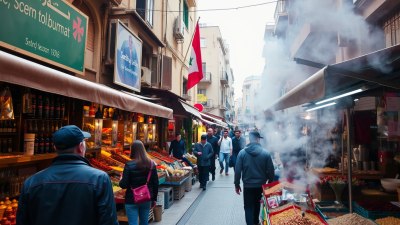
Image created with Flux Schnell
Beirut, the capital city of Lebanon, is renowned for its rich history, diverse culture, and vibrant markets. Among the many experiences one can have in this bustling metropolis, the olfactory sensations found in its markets create a deep connection to home, even when one is far from it. The act of smelling familiar scents in a foreign place can evoke powerful memories and emotions, creating a bridge to one's roots. In this article, we will explore how the scents in Beirut's markets bring a sense of home to both locals and tourists alike.
The Allure of Beirut’s Souks
The souks of Beirut are a tapestry of sights, sounds, and smells. As you meander through the narrow alleyways, the aromas wafting from spice stalls, flower shops, and food vendors invite you in, creating a sensory overload that is vibrant and nostalgic. The markets are steeped in tradition, serving as a hub for both commerce and community, while simultaneously showcasing the rich agricultural heritage of Lebanon. The fusion of scents here creates a symphony that resonates deeply with anyone who has a connection to this land.
Spices that Sing of Home
One of the most striking aspects of Beirut’s market scents is the blend of spices that evoke memories of home-cooked meals and family gatherings. The air is thick with the fragrances of za'atar, sumac, and cumin, mingling with the sweetness of cinnamon and the warmth of nutmeg. For expatriates and locals alike, these spices are more than just ingredients; they carry emotional weight, reminding them of cherished dishes prepared by loved ones. The sight of bright green za'atar blends alongside vibrant spices creates not just a feast for the nose but also a connection to the culinary traditions that define Lebanese culture.
Bakery Delights: A Whiff of Fresh Bread
No visit to a market in Beirut is complete without catching the enticing aroma of fresh bread baking in traditional ovens. The scent of warm khubz, a staple flatbread, fills the air, entwining itself with memories of family breakfasts and communal dining. The smell of bread is universal, yet in Beirut, it is steeped in tradition. Each loaf tells a story of togetherness, celebration, and sustenance. As you inhale the comforting smell, it transports you back in time, reminding you of shared meals and laughter around the table.
Fruits and Flowers: Nature’s Perfume
The vibrant markets of Beirut are also alive with the scents of fresh fruits and flowers. The fruity notes of ripe figs, oranges, and plump pomegranates create an olfactory paradise. The sweet, floral fragrances of jasmine and orange blossom mingle with the more earthy, green scents of herbs like mint and parsley. Each bite of fruit or whiff of a flower not only tantalizes the senses but also reconnects individuals to agricultural traditions that have thrived in this fertile region for centuries.
Street Food and Intermingled Scents
Street food stalls are an essential part of Beirut's market experience, offering a sensory journey that is both thrilling and nostalgic. The aroma of grilled meats, spices, and frying vegetables wafting through the streets creates an environment that is lively and communal. The smell of shawarma cooking on skewers, the crispy edges of falafel frying in hot oil, and the fragrant scent of garlic sauce all transport locals and tourists alike back to comforting memories of family meals or late-night snacks with friends. These scents encapsulate the essence of Lebanese street food culture, drawing people from all walks of life into the heart of the market.
Coffee and Tea Rituals
The aroma of freshly brewed Arabic coffee and herbal teas can be found in numerous spots throughout the Beirut markets. The smell of cardamom-infused coffee is instantly recognizable and takes many back to moments of hospitality shared with family and friends. In Lebanon, coffee is more than a beverage; it is a symbol of warmth, welcome, and connection. The familiar scent of coffee beans roasting, combined with the sweetness of mastic or mint infused teas, creates an atmosphere of comfort and community. It encourages conversation, reflection, and a sense of belonging.
Memories Wrapped in Scent
Scent has the unique ability to trigger memories that may have been buried deep within. As one walks through the creaking wooden stalls of Beirut, the scents of the markets often blend with personal memories, evoking nostalgia for places and people who are far away. The smell of fresh lavender may remind someone of childhood summers spent with family in the countryside, while the scent of citrus fruits may call to mind sunny days spent in the fields. These sensory experiences help to weave a complex narrative that connects individuals not only to their homeland but also to universal experiences of love, loss, and belonging.
A Cultural Melting Pot
Beirut's markets are truly representative of the city’s cultural tapestry, where diverse communities come together, bringing with them their unique flavors and scents. The coalescence of various spices, ingredients, and culinary traditions from around the world creates a rich olfactory experience that speaks to the idea of home in a shared global context. As expats and travelers navigate the bustling streets, they may catch wind of familiar scents that resonate with their own cultural backgrounds, creating cross-cultural connections that transcends the borders of nationality and heritage.
The Power of Scent
In conclusion, the smells experienced in the markets of Beirut are not just an afterthought; they are a vital part of the cultural identity of the city and the people who inhabit it. Each scent tells a story, inviting individuals to engage deeply with their surroundings and embrace their personal narratives. For both locals and those visiting from abroad, the mingling of these aromas creates a sense of home that is both welcoming and comforting. The experience of smelling home in a foreign market transcends the physical space, reminding all of us of the universal emotions tied to food, community, and belonging.