Smelling the Ashes of Ritual in Bhutan’s Temples
Explore the spiritual significance and sensory experiences within Bhutan's sacred temples and rituals.
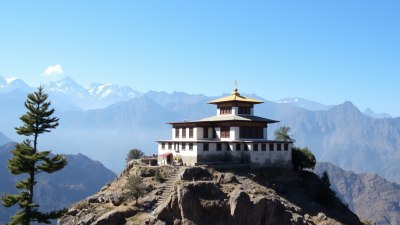
Image created with Flux Schnell
Bhutan, a tiny kingdom nestled in the Eastern Himalayas, is renowned for its breathtaking landscapes, vibrant culture, and deeply spiritual practices. One of the most intriguing experiences in this kingdom is visiting its temples, where the air is often imbued with the scent of burning incense and the remnants of sacred rituals. The practice of ritualistic offerings, particularly the burning of juniper and other herbs, creates an olfactory tapestry that connects visitors to the spiritual heart of Bhutan. In this article, we will delve into various temples across Bhutan, exploring their unique rituals, the sensory experiences they provide, and the profound spirituality that permeates the air.
Among Bhutan's many temples, the Taktshang Goemba, commonly known as the Tiger's Nest Monastery, stands out not only for its breathtaking location perched on the edge of a cliff but also for its rich history and spiritual significance. Dating back to 1692, this monastery is a key pilgrimage site for many Bhutanese. As one ascends the trail leading to the monastery, the scent of burning juniper fills the air, often accompanied by the soft sounds of chanting monks. Visitors can participate in rituals involving the burning of offerings, which provide a sensory experience that resonates deeply with the spiritual nature of the site.
The incense used in Bhutanese rituals is integral to the worship process. Juniper, in particular, is believed to have purifying properties, warding off negative energies and inviting positive influences. This aromatic evergreen shrub is harvested from the forests of Bhutan and is commonly burned during various ceremonies. The smoke rises upwards, carrying prayers and intentions to the heavens. In the hustle of daily life, the act of stopping to smell the ash settles the mind, allowing space for reflection and contemplation.
The Role of Ritual in Bhutanese Culture
Rituals in Bhutan are more than mere traditions; they are woven into the fabric of daily life and the socio-cultural identity of the Bhutanese people. The act of performing rituals is seen as a way of connecting with the divine, maintaining harmony with nature, and expressing gratitude. Temples serve as sacred spaces where people gather to seek blessings, celebrate important life events, and observe festivals marked by intense rituals.
The rituals often include elaborate offerings, during which devotees present various items such as rice, fruit, and incense before the deities. These offerings are accompanied by prayers, prostrations, and the recitation of scriptures, breathing life into the vibrant spirituality that characterizes Bhutan. The combination of offerings creates an atmosphere filled with the sweet, smoky scents that linger in the air.
The Paro Tsechu Festival
One of the most significant events in Bhutan's cultural calendar is the Paro Tsechu Festival, celebrated each spring in the town of Paro. This vibrant festival showcases the rich traditions of Bhutanese Buddhism through colorful dances, music, and spiritual ceremonies. As large crowds of locals and visitors gather to witness the festivities, the aroma of freshly prepared food mingles with the fragrant smoke of burning incense.
During the festival, large Thongdrols, which are massive tapestries depicting Buddhist deities, are unfurled at dawn. The sight is accompanied by the sweet smell of offerings being made by the faithful. The fervent atmosphere, with the vibrancy of costumes and the sounds of traditional instruments, creates an immersive experience that appeals to all the senses.
The Mysticism of the Dzong Temples
Dzongs, or fortress monasteries, are another vital feature of Bhutan's architectural landscape and serve as centers of spirituality and governance. One of the most famous dzongs is the Punakha Dzong, situated at the confluence of the Pho Chhu and Mo Chhu rivers. The intricate woodwork and exquisite paintings within the dzong create a stunning backdrop for the rituals performed within its walls.
The Punakha Dzong hosts numerous religious ceremonies throughout the year, drawing crowds from across the region. Here, the scent of incense often mingles with the rich aroma of offerings, such as freshly baked bread and butter tea, creating a multi-layered sensory experience. As participants engage in rituals, the combination of sights, sounds, and smells creates moments of transcendence, transporting individuals to a realm that feels both sacred and extraordinary.
Rituals of Healing and Empowerment
Healing rituals also play a significant role in the spiritual life of Bhutan. Many temples are believed to possess unique energies that contribute to physical, mental, and spiritual healing. Monks and practitioners often conduct these rituals to empower individuals seeking healing or guidance.
The ritual of transferring merit, known as ‘sangchod,’ is common in most monasteries. During this process, the scent of burning incense becomes particularly powerful as practitioners chant mantras to enhance the healing energies conveyed through the smoke. Participants can feel a profound connection to the temple, experiencing the impact of the rituals on their emotional and spiritual states.
Embracing Silence and Reflection
Inside the sacred spaces of Bhutan's temples, silence often reigns supreme, broken only by the gentle sounds of chanting or the crackling of incense. This sacred silence offers a precious opportunity for reflection and introspection. Many visitors find that the act of sitting quietly in a temple allows them to connect more deeply with their inner selves and with the spiritual essence of the place.
The ashes of burnt offerings serve as a reminder of the impermanence of life. This realization evokes a sense of humility and encourages individuals to embrace their own authenticity. The experience of meditating on the ashes of rituals fosters an understanding that life is transient, and what matters most is the present moment.
The Lasting Imprint of Ritual
As we conclude our journey through the temples of Bhutan, it becomes clear that the rituals performed within these sacred spaces are a powerful testament to the Bhutanese people's close relationship with their spirituality. The scents experienced - of burning incense, of offerings made, and of the divine presence - all contribute to the unique atmospheres that envelop each temple and monastery.
Ritual is a bridge between the physical and spiritual worlds, connecting us to the past while helping us navigate the present. Visiting Bhutan's temples not only offers an opportunity to explore the rich cultural tapestry of the nation but also provides a sensory experience that deepens our understanding of the profound nature of life itself. As the ashes of rituals linger in the air, they invite us to reflect, connect, and find meaning in the sacredness around us.