Smelling the Earth Before Seeing It in the Rainforests of Borneo
Explore the unique sensory experience of the rainforests in Borneo, focusing on the scent of the earth and its ecological significance.
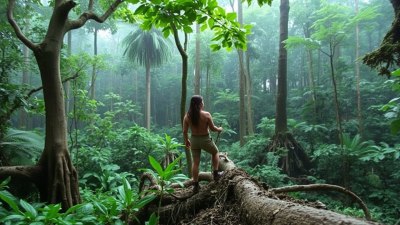
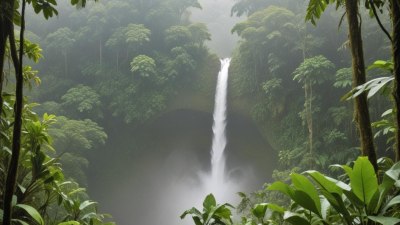
The rainforests of Borneo are among the most biodiverse ecosystems on the planet, and the olfactory experience they provide is as rich as the visual feast they offer. Before you even step foot into the lush greenery, the air is laden with scents that tell stories of life, decay, and renewal. The unique combination of humidity, soil, and flora creates a smell that is often described as earthy, musty, and sweet. Each breath invites you into a world that is teeming with life, brimming with secrets waiting to be uncovered.
One of the first things you notice when approaching the rainforest is the rich scent of damp earth. This smell is caused by a variety of factors. When rain falls on the forest floor, it interacts with the decomposing organic matter, releasing volatile organic compounds (VOCs). These compounds are responsible for that distinctive earthy aroma, often called petrichor. The organic material, including decomposing leaves and fallen trees, plays a vital role in the nutrient cycle of the forest, contributing to the health of the ecosystem.
Describing the Aroma
In the rainforests of Borneo, the scent can be complex. As you walk deeper into the woods, the smell evolves; it's no longer just damp earth. The aroma of various plants mingles in a delightful symphony of smells. The sweet fragrance of flowering plants and the musky scent of damp bark intersect, creating a multifaceted olfactory experience. Many indigenous tribes have given names to these smells, tying them into their culture and daily lives. For them, each scent tells a story of survival, healing, and connection with nature.
Furthermore, the flora and fauna of the region contribute significantly to the scents that fill the air. The pungent smell of tropical hardwood trees, such as the meranti and kapur, adds a layer of complexity to the atmosphere. As these colossal trees stand tall, their bark and leaves release aromatic oils that can smell sweet, spicy, or even fruity. Meanwhile, the smaller flora, including the various orchids and ferns, add delicate notes that complete the olfactory picture.
The Role of Water in Enhancing Scents
Water is an essential element in creating the scent of the rainforest. Rainfall not only serves to nourish the plants but also to activate their fragrances. When it rains, the moisture captures and carries these scents, amplifying their presence. This phenomenon can lead to sudden bursts of aroma that fill the air, a natural perfume that guides you through the underbrush. The increase in humidity that follows a rainstorm seems to breathe life into the forest, enhancing the smells. It is not uncommon to be enveloped in a humid cloud of aromas that can be overwhelming yet intoxicating.
Animals and Their Olfactory Impact
The scents of the rainforest are not solely from plant life. The animals that inhabit this environment contribute to the olfactory landscape as well. From the wet fur of mammals to the musk of reptiles, each creature adds its own unique scent to the ecosystem. For instance, the endangered Bornean orangutan, with its thick fur and complex social behavior, emits a variety of smells based on its activities. The fecal matter of these animals also contributes to the overall scent profile, as it breaks down and reintegrates into the earth, enriching the soil.
Moreover, the way organisms interact in the rainforest creates a tapestry of smells that can be indicative of the biodiversity present. Many pollinators, such as bees or butterflies, are attracted to specific scents released by plants. These scents signal the presence of nectar, guiding these creatures to their food sources. This interaction creates a cyclical relationship where scent not only brings in pollinators but also ensures the continuity of the plant species.
The Connection to Cultural Practices
The indigenous peoples of Borneo have a profound relationship with the rainforest, which goes beyond mere survival. The scents of the forest play a significant role in their cultural practices and spiritual beliefs. Many tribes incorporate the smells of different plants into their traditional medicine, using the aromatic qualities of certain herbs to heal ailments. The practice of using scents can provide therapeutic benefits, both physically and psychologically.
Rituals often involve scents associated with particular plants that hold cultural significance. For example, the use of lemongrass for cleansing rituals stems from its fresh and revitalizing scent. Traditional ceremonies may also include the burning of incense made from tree resins, which release aromatic compounds into the air, creating an atmosphere of reverence and spirituality.
Modern Impacts and Environmental Concerns
Despite the rich tapestry of smells and life that the rainforests of Borneo provide, this ecosystem is facing unprecedented threats. Deforestation, driven by logging and agricultural expansion, has begun to alter the olfactory landscape dramatically. The scent of the untouched forest, once vibrant and full of life, is slowly being replaced by the stale smells of cleared land and burnt vegetation.
As trees are removed, the complex interactions between flora and fauna are disrupted, leading to a decline in biodiversity. Species that depend on specific plants for food and shelter may decline or disappear altogether. This loss ripples through the ecosystem, affecting everything from the smells produced by plant life to the sounds of birds and the presence of mammals.
The Importance of Conservation
The sensory experiences of the rainforest are intimately connected to its health and biodiversity. Recognizing that the smells of the forest are an indicator of its overall condition highlights the importance of conservation efforts. Preserving these ecosystems is essential not just for the wildlife that inhabits them but also for the human experience. The rainforests of Borneo offer invaluable insights into our world, serving as a reminder of the beauty of nature.
Efforts to protect these areas are more crucial than ever. Sustainable practices and eco-tourism can help foster a greater appreciation for the rainforest while providing economic benefits to local communities. By respecting the land and its scents, we can work towards a future where the rich smells of Borneo's rainforests can be experienced by generations to come.
A Personal Journey
As you venture through the rainforests of Borneo, take a moment to pause and truly inhale. Smell the earth, the plants, and the unique aromas that grab your attention. Close your eyes and let the scents guide you deeper into this magical ecosystem. Each inhalation is a lesson, a connection to the land, and a reminder of the complexities of life that thrive within it.
Documenting your experiences can add another layer to your understanding. Keep a journal of the smells you encounter, noting how they shift with the changes in weather, time of day, and season. Doing so will not only help you cultivate an appreciation for the rainforest but will also enhance your connection to it.
In conclusion, the rainforests of Borneo are a sensory wonder. The journey of smelling the earth before seeing it opens up a dialogue with nature that goes beyond words. Every aroma you encounter has a story, a place, and a purpose, forging an intricate web of life intertwined with the scent of the land. Let us cherish this connection, ensuring that the rich tapestry of aromas continues to thrive for ages to come.