The A-Bomb Dome in Japan Doesn’t Know Whether to Mourn or Teach
Exploring the dual role of the A-Bomb Dome: a symbol of peace and a testament to tragedy.
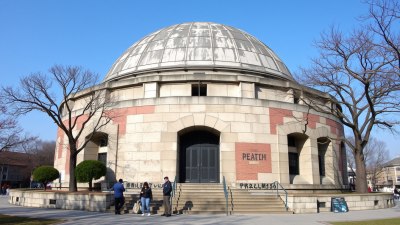
Image created with Flux Schnell
In the heart of Hiroshima, Japan, stands the A-Bomb Dome, a structure that embodies a profound historical narrative. Initially known as the Hiroshima Prefectural Industrial Promotion Hall, it was one of the few buildings to survive the atomic bombing on August 6, 1945. Today, it serves as a UNESCO World Heritage site, drawing thousands of visitors who seek to understand the horrors of nuclear warfare and the lessons that emerge from such calamities.
To many, the A-Bomb Dome is a memorial, a site for mourning the lives lost in an instant when nuclear fission unleashed unparalleled devastation. For others, it represents an imperative to educate future generations about the consequences of war, violence, and the imperative for peace. This dual role can create a tension within the narrative surrounding the Dome itself, forcing visitors and local citizens to grapple with conflicting emotions: respect for the victims and a commitment to preventing future tragedies.
The Historical Context
Understanding the significance of the A-Bomb Dome requires knowledge of the historical context that led to its existence. The city of Hiroshima, once bustling with life and industry, became the focal point of one of the most tragic events in human history. On that fateful day, the United States dropped the first atomic bomb over the city, resulting in an estimated 140,000 immediate deaths, with many more succumbing to injuries and radiation sickness in the following months.
The A-Bomb Dome was designed by Czech architect Jan Letzel and completed in 1915. It was an important industrial exhibition hall, representing progress and the potential of modern technology. Ironically, it stood as a testament to innovation, only to become a symbol of destruction. Its unique domed structure and steel framework allowed it to survive the blast relatively intact, even though it suffered severe damage, a sight that contributes to its haunting presence.
The Architectural Significance
From an architectural perspective, the A-Bomb Dome is notable for its unique blend of Western and Japanese design elements. The combination of exposed bricks and steel reinforces its resilience, making it a visual reminder of survival amid destruction. The structure’s aesthetic appeal remains striking, even in its state of decay. Its preservation was a topic of heated debate, as many believed that restoring the building would dilute its historical significance. Ultimately, it was decided to maintain the building in its post-bombed condition, representing both the past and a commitment to the future. The Dome is instrumental in conversations on architecture, preservation, and memory.
Memorialization and Education
The A-Bomb Dome is not just a physical structure; it represents a larger movement towards memorialization and education regarding atomic warfare. Surrounding the Dome is the Hiroshima Peace Memorial Park, which includes the Peace Memorial Museum. This museum offers exhibitions that detail the horrific aftermath of the bombing and the personal stories of survivors, known as hibakusha.
The intention behind these educational efforts is clear: to foster dialogue about peace and the prevention of nuclear weapons. Visitors are encouraged to reflect on the morality of war, the implications of technological advancements, and the importance of international collaboration. The contrasts between mourning the past and advocating for a peaceful future are shared through educational programs that engage local schools and international visitors alike.
The Dilemma of Commemoration
The inherent dilemma at the A-Bomb Dome lies in balancing commemoration and education. Should the site focus primarily on mourning the profound loss of life, or can it simultaneously serve as a platform for promoting peace and policy advocacy? For many survivors, witnessing the A-Bomb Dome become a tourist attraction can be a painful reminder of their experiences, but it is essential to acknowledge the importance of remembrance in fostering healing. The site urges visitors to grapple with the notion that while some aspects of history may be painful, they are crucial for understanding our present and future.
Visitor Experience
Visiting the A-Bomb Dome is a deeply moving experience. As visitors approach the site, they are met with an unspoken reverence that encourages contemplation of the past. The surrounding park features monuments, pools, and walking paths designed for reflection and remembrance, enhancing the emotional connection to the Dome itself. Photographs often depict visitors gazing at the structure, absorbed in thought, grasping the magnitude of its significance.
The juxtaposition of the A-Bomb Dome with the modern city of Hiroshima serves as a striking reminder of resilience. Despite the destruction, the city has rebuilt itself into a vibrant community dedicated to peace and hope, further emphasizing the importance of the Dome as both a symbol of mourning and a desire for education.
Global Relevance
As geopolitical tensions persist and the potential for nuclear conflict remains, the lessons emerging from the A-Bomb Dome resonate on a global scale. It reminds individuals about the catastrophic consequences of nuclear warfare and the importance of ethical decision-making. Countries grapple with the question of nuclear arsenals, deterrence theory, and diplomacy, while the stories of Hiroshima compel them to pursue disarmament and peace.
The A-Bomb Dome encourages visitors to reflect on what it means to be aware of history while actively participating in shaping a more peaceful world. Undoubtedly, the Dome challenges people to recognize their responsibility to learn from the past to avoid repeating its darkest chapters.
The A-Bomb Dome stands as an emblem of human resilience, a reminder of the fragility of life, and a powerful call to action. While it mourns the suffering endured, it simultaneously educates and inspires efforts towards peace. This iconic structure embodies the unsettling balance between the past and future, urging us to remember while promoting advocacy against violence and hatred.
In conclusion, the A-Bomb Dome in Japan serves as a profound reminder of the past's atrocities while firmly asserting its place in the discourse surrounding peace and education. It is essential to embrace the complex role this monument plays in human history; to learn, to teach, and ultimately, to ensure that such a tragedy is never repeated. As we reflect on the lessons ingrained in the very walls of the A-Bomb Dome, we are also reminded of our collective responsibility for the future and the crucial dialogue surrounding peace, understanding, and humanity.