The Alhambra in Spain Still Dreams in Patterns No One Can Translate
Explore the intricate beauty of Alhambra, a masterpiece of Islamic architecture rich in history and patterns yet to be fully understood.
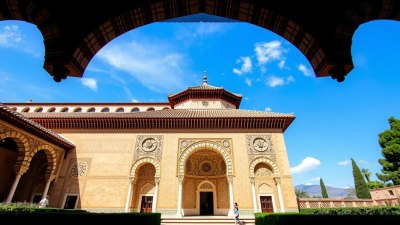
The Alhambra, a stunning palatial fortress located in Granada, Spain, is an epitome of Moorish architecture. Built during the 13th century, it was the last stronghold of the Muslim presence in Spain before the Reconquista. This UNESCO World Heritage site showcases intricate designs, breathtaking gardens, and a rich tapestry of cultural history that continues to fascinate scholars, artists, and tourists alike. The magic of the Alhambra lies not only in its breathtaking aesthetics but also in its enigmatic patterns and motifs, many of which remain untranslated and deeply symbolic.
As visitors step into the Alhambra, they are transported to a different era, where every tile and archway tells a story of grandeur, spirituality, and cultural fusion. The architectural marvel is not merely a historical site; it embodies the spirit of a civilization that was steeped in philosophy, science, and art. One of the most captivating aspects of the Alhambra is its geometric patterns, which are meticulously crafted and diverse in their complexity.
Geometric Patterns in Islamic Art
Islamic art is renowned for its avoidance of representational imagery; instead, it embraces abstract patterns, symmetry, and geometric designs. The Alhambra is a prime example of this artistic freedom, showcasing a plethora of intricate shapes that intertwine and repeat, creating an infinite quality that captivates visitors. These patterns, often comprising stars, polygons, and arabesques, reflect the Islamic worldview, where the infinite nature of God is symbolized through the endless repetition seen in these designs.
Scholars have analyzed these patterns for centuries, yet many remain mysterious, teasing the minds of artists and mathematicians alike. The complexity is not merely aesthetic but deeply rooted in the mathematical principles that can represent a bridge between art and science. Fibonacci sequences, golden ratios, and fractals can be identified within these designs, showcasing a sophistication that was far ahead of its time. Each tile was lovingly crafted, representing the dedication of artisans who poured their hearts into their work.
The Symbolism of Water
In addition to its architectural brilliance, the Alhambra is also renowned for its exquisite gardens and water features, which symbolize life and purity. The Generalife, a summer palace and gardens located adjacent to the Alhambra, offers a sensory experience that complements the visual splendor of the fortress itself. Water is used in the Alhambra not merely for irrigation or decoration; it is an essential element that embodies a spiritual connection. The sound of flowing water and the sight of tranquil pools evoke serenity and reflection, encouraging contemplation and harmony. From the calm reflections in the pools to the cascading fountains, the use of water in the Alhambra is intentional and insightful.
The Influence of the Alhambra on Art and Design
The Alhambra's influence extends beyond the borders of Spain; its patterns and architecture have inspired countless artists, architects, and designers throughout history. The allure of the Alhambra was reignited during the Romantic movement in the 19th century, where artists and writers sought to capture its charm and mystery. Figures such as poet Washington Irving famously wrote about the Alhambra, which further fueled European fascination with the site. Design elements from the Alhambra have also infiltrated modern architecture and design, with its motifs appearing in textiles, wallpaper, and even furniture design.
The Challenge of Interpretation
Despite the wealth of scholarly research, the patterns and inscriptions found in the Alhambra still pose a challenge for interpretation. While many motifs can be understood as symbols of Islamic philosophy or expressions of devotion, others defy explanation. The absence of clear documentation from its creators leaves a gaping chasm of interpretation, and for many scholars, this serves as an invitation to explore rather than a setback. As more historians delve into the complexities of the Alhambra, the hope is that new insights will emerge, shedding light on the unknown facets of its artistry.
Preservation Efforts
As one of the most visited monuments in Spain, the Alhambra faces challenges related to preservation and maintenance. The increasing number of visitors puts pressure on the structures and gardens, threatening their integrity. Conservation efforts are critical to ensuring that future generations can experience the magic of the Alhambra. These efforts include restoration of intricate tile work, securing the protections around the monument, and implementing visitor management strategies that respect the delicate balance needed to preserve both the site and the experience for visitors.
The Alhambra Today
Today, the Alhambra stands as a testament to human creativity, resilience, and the relentless pursuit of beauty. It is not just a relic of the past but a living monument that resonates with themes relevant in modern times. The coexistence of cultures and religions exemplified by the Alhambra serves as a reminder of the richness that diversity brings to our world. The patterns of the Alhambra, unfathomable and intricate, encourage an ongoing dialogue, ensuring that we continue to dream and interpret their meaning across generations.
In conclusion, the Alhambra is more than an architectural wonder; it is a canvas of history, culture, and unresolved mysteries. It invites the curious to uncover its secrets while simultaneously embracing the unknown. The patterns, much like dreams, remain eternal yet fleeting, a beautiful enigma that can never be fully translated. Each visit offers a new perspective, a fresh interpretation, and a reminder that some beauty lies in the unexplainable. The Alhambra will continue to captivate and inspire, a gateway between the past and the present, reflecting the dreams of generations and the patterns that tie them together.