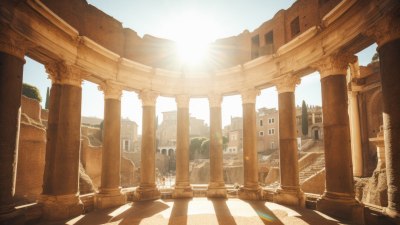
The Basilica di San Marco in Italy Wears Time Like Mosaic
Explore the stunning architecture and rich history of the Basilica di San Marco in Venice.
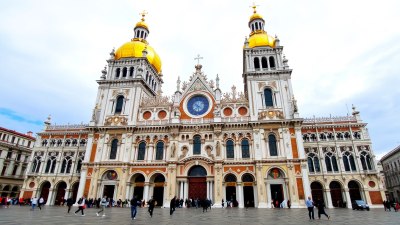
Image created with Flux Schnell
The Basilica di San Marco, or St. Mark's Basilica, is arguably one of the most famous landmarks in Venice, Italy. This architectural marvel not only captures the heart of the city but also embodies a rich tapestry of history, art, and spirituality. Founded in 828 AD to house the relics of St. Mark the Evangelist, the basilica has undergone numerous transformations and renovations, each adding to its unique character. What makes the Basilica di San Marco particularly striking is its exquisite mosaics that adorn its facade and interior, which reflect centuries of artistic evolution and cultural exchange.
As you approach the basilica, the first thing that strikes you is its grand exterior, characterized by its intricate carvings and golden domes. The façade, with its five ribbed arches, is a stunning example of Byzantine architecture, while the twin towers flanking the entrance add a touch of Romanesque influence. The use of brick, marble, and a plethora of other materials sourced from the East underscores the significance of trade routes that connected Venice to the wider world, making it a melting pot of cultures.
Once inside, visitors are greeted by a spectacular display of mosaics that cover the ceilings and walls, telling biblical stories and illustrating the lives of saints with unparalleled beauty. These mosaics, often gilded with real gold, create a celestial atmosphere that enchants all who enter. The craftsmanship is exceptional, with each piece meticulously placed to create a harmonious composition. Among the most remarkable scenes depicted in the mosaics are the Ascension of Christ, the Last Supper, and the Life of St. Mark, capturing pivotal moments in Christian history.
The Historical Significance
The Basilica di San Marco is not merely a religious structure; it is a symbol of Venice’s power and influence during the Middle Ages and the Renaissance. After the Fourth Crusade in 1204, Venetian merchants returned from Constantinople with numerous relics, artwork, and treasures, which were then integrated into the basilica, further solidifying its place as a centerpiece of Christian pilgrimage. During these times, the basilica served as the seat of the Patriarchate of Venice, symbolizing the close connection between church and state.
Moreover, the basilica also holds significance as the final resting place of St. Mark. According to legend, his remains were smuggled out of Egypt in the 9th century and brought to Venice, where they were soon enshrined in this magnificent space. The presence of the saint's relics transformed the basilica into a vital pilgrimage site, attracting worshippers from across the region.
Architectural Features
The architectural design of St. Mark's Basilica is a striking example of the Italo-Byzantine style, characterized by its domes, arches, and the extensive use of marble and mosaics. The five domes crown the structure, their interior spaces filled with gold and vibrant colors that tell stories of faith and divine grace. The central dome rises impressively, symbolizing the heavens, while the other domes create a harmonious balance of forms and spaces.
The use of light within the basilica is also noteworthy; numerous windows allow beams of sunlight to filter in, illuminating the mosaic artworks, creating a mesmerizing experience for visitors. The intriguing play of light and color reflects the artistry involved in the creation of the mosaics while elevating the spiritual ambiance of the space.
Mosaics: A Timeless Art Form
The mosaics available in St. Mark's Basilica span a period of several centuries, with the earliest dating back to the 11th century. The art of mosaic-making, brought to Venice from Byzantium, quickly flourished and became a defining characteristic of Venetian aesthetics. Skilled artisans painstakingly assembled thousands of tiny glass pieces, often sourced from different regions, to create vivid depictions that are still appreciated today.
One of the most significant interpretations of this ancient technique is reflected in the famous “Golden Domes” of the basilica, where golden tesserae are incorporated into the mosaic designs, thus enhancing the luminosity of the imagery. The resultant play of light and color manifests a kaleidoscope effect, making the narratives depicted appear to come alive—a captivating experience that has enchanted visitors for centuries.
Visiting the Basilica di San Marco
Your visit to the Basilica di San Marco will be an unforgettable experience, but preparations are essential. Due to its popularity, visitors are often encouraged to book tickets in advance to avoid long lines. Upon arrival, dress respectfully as it is a place of worship; modest clothing is not only respected but required.
Audio guides or guided tours can enrich your experience significantly, providing insights into the rich history, intricate art, and architectural nuances of the basilica. Exploring the interior with an understanding of its significance allows for a deeper appreciation of this remarkable site, where every mosaic and architectural feature tells a narrative of Venetian culture and spirituality.
Preservation Efforts
Given the Basilica di San Marco's historical and cultural significance, numerous preservation efforts have been undertaken to safeguard its structure and artworks against the ravages of time and environmental factors. From regular maintenance of the mosaics to restoration projects addressing wear due to pollution and humidity, the basilisca has become a focal point for conservation efforts aimed at preserving Venice's rich heritage.
These preservation initiatives often call for significant funds and expertise, drawing professionals from various fields. Knowledge acquired from previous restoration attempts serves to inform current practices, ensuring that the iconic basilica remains a treasured sight for generations to come.
The Basilica di San Marco stands not only as an architectural wonder but also as a vibrant testament to the intermingling of art, faith, and culture in Venice. Its magnificent mosaics serve as reminders of the city's storied past and its ongoing narrative in the contemporary world. The experience of walking through its hallowed halls, surrounded by centuries of artistic mastery, evokes a sense of reverence and awe. A visit to this iconic landmark is not just a sightseeing trip; it is a journey through time, connecting you with the rich tapestry of history that embodies the spirit of Venice itself.