The Basilica of the Annunciation in Israel Glows From Within Its Silence
Discover the serene beauty and significance of the Basilica of the Annunciation in Israel.
The Basilica of the Annunciation, located in the heart of Nazareth, Israel, stands as one of the holiest sites within Christianity. This remarkable structure, dedicated to the Annunciation of the Virgin Mary, is a testament to centuries of faith, history, and architectural excellence. The basilica’s location is significant, believed to be where the angel Gabriel appeared to Mary to announce that she would conceive Jesus Christ.
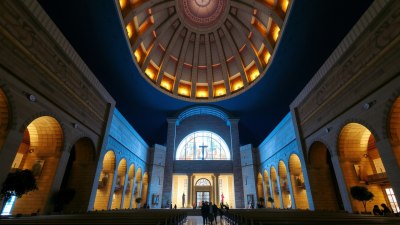
Completed in 1964, the basilica features a unique blend of modernist design with traditional religious symbolism. The building is made of reinforced concrete and glass, which allows natural light to illuminate its interior, creating a warm and serene atmosphere. This luminosity from within adds to the sacred silence that envelops the entire site, allowing visitors and pilgrims to reflect deeply on their faith.
The façade of the Basilica is designed to resemble a tent, symbolizing the dwelling of God among his people. The large entrance leads visitors into a welcoming space filled with artwork, mosaics, and various representations of Mary from different cultures across the world. These artworks highlight the universal aspect of the Christian faith, promoting unity and reverence among diverse communities.
Entering the basilica, one is struck by the tranquil environment, marked by the soft glow of natural light filtering through the beautifully crafted stained glass windows. Each window depicts key biblical scenes, enhancing the spiritual experience within. The design encourages meditative silence, providing an opportunity for personal reflection and contemplation.
Historical Significance
The historical significance of the Basilica of the Annunciation dates back to early Christianity when believers identified the site as the location of the Annunciation. According to tradition, houses from the first century AD were discovered beneath the current basilica, affirming its historical authenticity. Excavations have revealed ancient artifacts and remnants that showcase the early Christian community's embrace of this sacred space.
Before the current structure was erected, a series of churches have marked this site over the centuries. The first church, built in the 4th century, was a modest structure that gave way to a larger Byzantine church in the 5th century. The Crusaders constructed another church in the 12th century that eventually fell into ruin, leading to the current basilica's construction in the 20th century, which sought to encapsulate the deep religious history of this holy land.
Architectural Design
The architectural design of the Basilica of the Annunciation is notable for its simplicity yet profound symbolism. The architect, Giovanni Muzio, envisioned a structure that would harmonize with the surrounding landscape while reflecting the weight of its spiritual significance. The basilica's main structure consists of a large dome soaring above the central nave, symbolizing the heavens and the divine.
The use of light within this space is particularly remarkable, as it plays a critical role in enhancing the overall experience for visitors. Sunlight dances across the interior, highlighting various elements and creating a dynamic visual narrative that changes throughout the day. The interplay of light and shadow evokes a sense of reverence and peace, inviting contemplation and prayer.
Art and Decoration
Throughout the basilica, one can find a plethora of artwork that honors Mary, Mother of God. Artists from around the world have contributed mosaics based on their cultural backgrounds. These mosaics not only add beauty to the structure but also serve as a reminder of Mary’s universal significance across different cultures and traditions.
The central altar is another breathtaking feature of the basilica, designed with incredible detail and adorned with artistic elements that pay homage to the moment of the Annunciation. Surrounding the altar, one can observe intricate carvings and depictions telling the story of the Virgin Mary, her life, and her pivotal role in Christianity.
The Role of Pilgrimage
The Basilica of the Annunciation plays a crucial role as a pilgrimage destination for countless Christians visiting the Holy Land. The desire to experience the profound significance of this site is a powerful motivator for many spiritual journeys. Pilgrims come to connect with their faith, reflect on Mary’s life, and seek spiritual renewal.
During significant religious events and festivals, the basilica comes alive with celebrations, prayers, and masses. These gatherings foster a sense of community among diverse groups, as pilgrims share their faith and experiences while honoring the Virgin Mary. The silence of the basilica, broken only by whispers of prayer and the hymns of the faithful, creates a unique atmosphere that resonates deeply with visitors.
Community Engagement
The basilica is not just a historical site; it actively engages with the local community and plays a vital role in the spiritual life of Nazareth. It serves as a hub for various social and cultural events, fostering dialogues among different faiths. The Franciscan Friars, who maintain the basilica, provide educational programs, workshops, and guided tours to deepen the understanding of the site’s significance.
Additionally, the basilica collaborates with local organizations to promote peace and coexistence among the diverse communities in Nazareth. Through initiatives that emphasize understanding and respect among different cultures, the basilica embodies the spirit of unity that lies at the heart of Mary’s message.
Visiting the Basilica of the Annunciation
For those planning to visit the Basilica of the Annunciation, it is essential to be respectful of the site’s sacred nature. Visitors are encouraged to dress modestly and maintain a respectful demeanor to honor the traditions that have been upheld for centuries. The basilica welcomes individuals of all faiths, creating space for reflection and connection.
In addition to exploring the stunning interior, visitors can also stroll through the surrounding gardens, which add to the serene atmosphere. The gardens invite contemplation and provide a quiet area for personal reflection amidst the hustle and bustle often found within pilgrimage sites. The beauty of the gardens is complemented by the fragrance of various flowers that bloom throughout the year, providing a sensory experience that enhances one’s visit.
As one explores this remarkable site, it is common to feel a sense of peace and connection, not just to centuries of faith but also to the sacred stories that unfolded in this historic city. The Basilica of the Annunciation stands as a beacon of light, inviting all who enter to find solace and silence within its walls, where faith and history merge in perfect harmony.
Final Reflections
The Basilica of the Annunciation in Nazareth is more than just an architectural marvel; it is a source of inspiration and peace for millions. The silence that envelops the site allows for a unique spiritual experience, where visitors can engage in self-reflection and deepen their understanding of Christian faith. In today’s world, where turmoil and noise often overshadow tranquility, places like the Basilica remind us of the importance of seeking moments of silence and contemplation.
As we celebrate the legacy of the Virgin Mary and the message of hope that she represents, the basilica stands as a sanctuary where faith is nurtured, and souls are nourished. The profound beauty and silence of the Basilica of the Annunciation invite all to experience a connection to the divine, transcending time and place.