The Brandenburg Gate in Germany Has Forgotten What It Was Guarding
Explore the historical significance and modern perception of Berlin's iconic Brandenburg Gate.
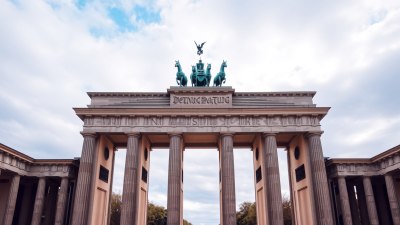
Image created with Flux Schnell
The Brandenburg Gate, located in Berlin, Germany, stands as a symbol of unity and peace. Originally constructed in the late 18th century, it served as a neoclassical triumphal arch, a majestic entry point to the city, and a monument to the prosperity of Berlin. Over the years, this iconic structure has witnessed tremendous historical events, from the rise of Prussia to the fall of the Berlin Wall, yet it also has a story of forgotten purpose that reflects the changing tides of history.
Originally designed by architect Carl Gotthard Langhans, the Brandenburg Gate was commissioned by King Frederick William II of Prussia in 1788. The gate was inspired by the Propylaea of the Acropolis in Athens and stands 26 meters high, 65.5 meters wide, and 11 meters deep. Atop the gate sits a quadriga, a chariot drawn by four horses, driven by the goddess of victory, Nike. This classical imagery was meant to symbolize peace after a long period of war.
During its initial years, the Brandenburg Gate symbolized not just the architectural glory of Prussia but also the promise of a bright future. It was a gateway into Berlin, meant to be used during triumphant military parades. However, by the 20th century, the gate had witnessed a transformation in its meaning and significance. The tumultuous events of World War I and World War II overshadowed its original purpose and instead placed it in the midst of conflict.
World Wars and Symbol of Division
During World War II, the Brandenburg Gate was severely damaged and became a symbol of division that marked the post-war landscape of Berlin. Its proximity to the Berlin Wall, erected in 1961, transformed the gate from a sign of peace to a border checkpoint between East and West Berlin. This period stripped away the gate's original purpose as a victorious entrance into a united city, serving instead as a monument to division and the struggles between ideologies.
As East and West Berlin were severed, the Brandenburg Gate became trapped in a no-man's land. This change in perception was a stark contrast to its initial role as a symbol of unity. Visitors could only catch glimpses of the gate from a distance, as it stood isolated and desolate, echoing the ideological and physical barriers that dominated the city. Despite its iconic status, it seemed to have lost the essence of what it once guarded.
The Fall of the Berlin Wall
In 1989, the fall of the Berlin Wall ushered in a new era for the Brandenburg Gate. The euphoric celebrations that followed the wall’s collapse reignited the gate’s status, and it once again became synonymous with unity and freedom. The gate was fully restored and reopened to the public in 2002, marking a significant transformation in its narrative. The gates were now a pivotal part of Berlin’s reunification celebrations, reinforcing their importance to the country’s cultural identity.
After reunification, the Brandenburg Gate became a site of historical reflection, as well as a centerpiece for public events and gatherings. It has played host to numerous celebrations, concerts, and speeches from politicians and world leaders. The gate is now an emblem of Berlin’s resilience and transformation, a reminder of the struggles that the city has overcome and the unity it has achieved.
Modern Symbolism and Tourism
Today, the Brandenburg Gate attracts millions of tourists each year. Its historical significance and architectural grandeur draw crowds, eager to take photographs and learn about its rich history. The gate serves not only as a tourist attraction but also as a monument that embodies historical awareness and the importance of remembrance.
The globalization of culture has also influenced the perception of the Brandenburg Gate. While it remains deeply rooted in German history, the gate has become a symbol of peace and unity that resonates across borders. International visitors see it as more than just an architectural wonder; it represents the shared ideals of freedom and reconciliation that have emerged in the wake of conflict.
Forgotten Vigilance
Despite its transformation into a symbol of peace and unity, the Brandenburg Gate now faces a different challenge—interpretation and relevance in contemporary society. As we bask in its legacy of overcoming division, it begs the question: what is it guarding today? In an era where political tensions, xenophobia, and division are resurfacing globally, the gate stands as a vigilant reminder of the dangers of forgetting history.
Many historians and cultural critics argue that while the gate has become an icon of positivity, we must remain cognizant of the more complex elements of its past. The ethos of vigilance that once characterized the gate has seemingly waned in modern times. The challenges of contemporary society and the lessons of history urge us, as global citizens, to remain aware of the consequences of division, exclusion, and intolerance.
Lessons from the Gate
The Brandenburg Gate, with its rich history of both division and unification, prompts an opportunity for introspection. As we walk through this historic monument, it serves as a call to recognize the fragility of peace and the necessity of vigilance in preserving unity among diverse communities, not only within the framework of Germany but worldwide.
In the face of rising populism and societal discord, understanding what the Brandenburg Gate has witnessed over the centuries becomes increasingly vital. It urges us to reflect on our collective responsibilities toward fostering peace and addressing the challenges that threaten to undermine our shared humanity. The gate also beckons us to remember those who fought for freedom and unity, ensuring that their experiences and sacrifices are never forgotten.
Future Perspectives
As Berlin continues to evolve, the future of the Brandenburg Gate remains a testament to the ever-changing narrative of history. The gate welcomes its visitors, ready to narrate its storied past while simultaneously urging all to engage with the present and contribute to the legacy of peace and dignity for every individual.
Artistic performances, exhibitions, and commemorative events held at the Brandenburg Gate serve as a reminder of the importance of preserving culture in a way that acknowledges both achievements and failures. The gate's transformation and reclamation of relevance speak to the resilience not only of the structure itself but of the city of Berlin as a whole.
The Brandenburg Gate has come a long way from its origins as a symbol of triumph. Its journey is a tale of resilience, remembrance, and renewal. While it has transitioned from guarding a divided city to embracing a unified identity, it continues to remind us of the vigilance required to maintain harmony and understanding across cultures and societies. As we admire this grand structure, it challenges us to reflect on our responsibilities towards building a world where division does not reign, a world where the spirit of unity prevails. Thus, while the gate may have forgotten its original role as a guardian of entry, it has not forgotten its importance as a monument of reflection, urging us onward in our journey toward peace.