The Breathing Cityscape of São Paulo
Explore the dynamic urban landscape of São Paulo, where nature meets architecture in a vibrant city.
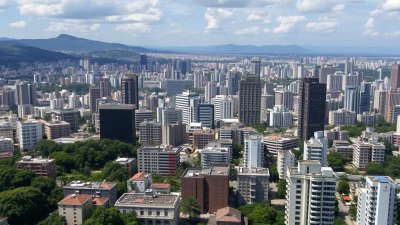
Image created with Flux Schnell
São Paulo, the largest city in Brazil and one of the most populous in the world, is characterized by its dynamic urban landscape, often described as a living, breathing cityscape. It is a metropolis that pulsates with energy, contrasting modern skyscrapers with green spaces, rich history, and a diverse culture. The architecture of São Paulo tells the story of its evolution, reflecting its past while embracing modernity, making it a unique place to explore.
Founded in 1554, São Paulo has witnessed rapid growth over centuries, evolving from a small missionary settlement into a sprawling urban entity with over 12 million residents in the city proper and more than 20 million in the greater metropolitan area. This growth has been accompanied by a myriad of challenges, including social inequality, environmental concerns, and urban sprawl. Nonetheless, São Paulo’s architectural diversity and its approach to integrating green spaces into the urban fabric offer a fascinating look at how a city can evolve while trying to maintain a connection to nature.
The Architecture of São Paulo
The architectural landscape of São Paulo is a rich tapestry that blends various styles influenced by both Brazilian and international trends. Starting from colonial architecture, exemplified by the historic Jesuit churches, the city has seen the addition of neoclassical structures, art deco buildings, and modernist masterpieces. One of the most iconic structures is the São Paulo Museum of Art (MASP), designed by Lina Bo Bardi, featuring a glass and concrete design that elevates the building, allowing for public space underneath while showcasing the artworks above.
The Copan Building, designed by Oscar Niemeyer, stands out with its organic curves and undulating façade, embodying the principles of modernist architecture. Meanwhile, the Edifício Itália, with its neo-Gothic features, towers over the city skyline, offering panoramic views from its observation deck. These architectural landmarks represent a dialogue between the past and the present, showcasing São Paulo's identity as a cultural melting pot.
Green Spaces Amidst Concrete
In a city known for its high-rise buildings and extensive urbanization, São Paulo has made significant investments in creating and preserving green spaces. The Ibirapuera Park, designed by Burle Marx, serves as a metropolitan oasis, providing residents and visitors with a place to relax, exercise, and connect with nature. Spanning over 1,500,000 square meters, the park features museums, exhibition pavilions, and lush gardens that make it a hub for cultural activities and public events.
Furthermore, the city has implemented numerous initiatives to promote urban greenery, such as the Green Corridor program, which aims to connect parks and green areas through ecological corridors. These initiatives not only enhance the aesthetic value of the city but also contribute to environmental sustainability, reduce heat island effects, and improve the quality of life for inhabitants.
Environmental Challenges and Sustainability Efforts
As with many major urban areas, São Paulo faces environmental challenges that arise from rapid urbanization. Air pollution, waste management, and traffic congestion are some of the pressing issues. To combat these problems, the city has established programs aimed at sustainable urban development. For instance, the city government has promoted the use of public transportation, investing in an extensive metro and bus system to reduce vehicular emissions and improve connectivity throughout the city.
In addition, initiatives like green roofs and vertical gardens have gained popularity among building owners, transforming traditional buildings into more sustainable structures that contribute to air quality improvement and provide insulation. These practices also enhance the aesthetic appeal of the city, encouraging further integration of nature within the urban landscape.
Cultural Landscape: A Mosaic of Diversity
São Paulo is not only a hub of architecture and green spaces; it is also home to a vibrant cultural scene. The city’s diversity is reflected in its various neighborhoods, each offering unique experiences. For example, the Liberdade district is the center of the Japanese community in Brazil, where visitors can enjoy cultural events, cuisine, and traditional festivals. Similarly, the Bixiga neighborhood showcases Italian influences, evidenced by its lively street fairs and renowned restaurants.
In addition, São Paulo hosts numerous cultural institutions, such as the São Paulo Art Museum (MASP), the Museum of the Portuguese Language, and the Pinacoteca do Estado de São Paulo, which celebrate both the local and international arts. These venues catalyze cultural exchange and foster appreciation for diverse artistic expressions, making São Paulo a vibrant cultural hub.
Food Scene: A Culinary Journey
The gastronomic landscape of São Paulo is as diverse as its residents, offering a fusion of flavors influenced by different communities. The city is renowned for its street food culture, from traditional Brazilian snacks such as pastéis and coxinhas to international dishes that reflect its multicultural essence. Food markets, such as the Municipal Market of São Paulo, allow visitors to savor fresh produce, artisanal products, and gourmet delicacies in a bustling atmosphere.
Fine dining in São Paulo is equally impressive, with numerous restaurants earning accolades for their innovative menus and culinary techniques. Michelin-starred chefs showcase Brazilian ingredients while blending them with international flavors, resulting in unique gastronomic experiences. The city’s culinary scene has become a focal point for food enthusiasts seeking to indulge in a gastronomic journey.
The Importance of Community Engagement
Community engagement is crucial to shaping the future of São Paulo. Throughout the city, grassroots organizations work tirelessly to advocate for social equity, environmental justice, and cultural preservation. Community gardens and cooperative housing projects have emerged as platforms for residents to engage in environmental stewardship while fostering a sense of belonging and collective empowerment.
Moreover, community art initiatives, such as murals and public art projects, contribute to local identity and allow residents to express their vision for the city. By involving residents in the decision-making processes, São Paulo is moving towards a more inclusive development model that prioritizes the needs and desires of its diverse populations.
Future of São Paulo: Balancing Growth and Sustainability
Looking ahead, São Paulo faces the challenge of balancing urban growth with sustainability. The ongoing population growth requires careful urban planning to ensure that infrastructure, public services, and green spaces can adequately support residents. Collaboration between the government, private sector, and community is essential to create a sustainable future for the city.
Innovative solutions such as smart city technologies, sustainable transport systems, and continued emphasis on green architecture will play a pivotal role in shaping the future of São Paulo. By prioritizing sustainability, São Paulo can evolve into a model for urban living that harmonizes the dynamic energy of a bustling metropolis with the tranquility of nature.
In conclusion, the breathing cityscape of São Paulo showcases the complexities and beauty of urban living. With its rich history, diverse culture, and commitment to sustainability, São Paulo stands as a testament to the aspirations of its people. The ongoing journey of the city reflects the hopes and dreams of its residents, who continue to strive for a brighter, more inclusive future.