The Colors That Only Appear After Everyone Leaves
Explore the hidden colors of solitude, revealing the beauty of what unfolds in quiet moments.

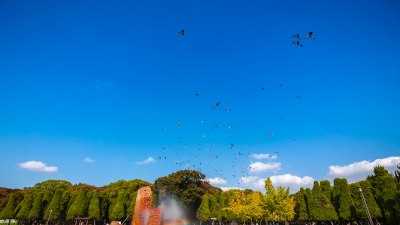
Image created with Flux Schnell
When the sun dips below the horizon and the last echoes of laughter fade into the stillness of the night, a magical transformation occurs. The world, often vibrant with the hustle and bustle of human activity, reveals a more subtle palette that is often overlooked. These colors, unseen during the day regardless of how vibrant the settings might seem, are brought to life in the absence of crowds. In this exploration, we delve into what these colors signify, their deeper meanings, and how we can learn to appreciate them in our lives.
Understanding Color in Context
Color is not merely a visual experience; it is intertwined with emotions, memories, and the world around us. During the day, colors can become overly saturated by the sheer volume of stimuli that people create. The reds of a stop sign, the greens of trees, and the blues of the sky might seem vibrant and bold, but they are often defined by their context. However, when the chatter fades, a different spectrum appears. This is especially true during twilight, a magical time of day when hues take on a softer quality.
The Subtlety of Twilight
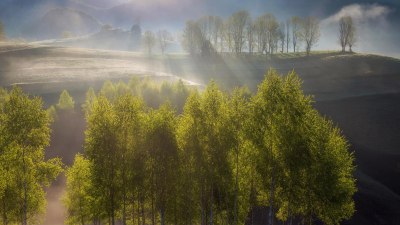
Twilight is a unique moment when the sun is just below the horizon. It creates a gradient of hues that stretch across the sky, revealing colors that are often lost in daylight. Shades of deep blue blend seamlessly into soft purples, oranges, and pinks, creating an atmospheric vibrancy that feels almost ethereal. This phenomenon not only represents a shift in the visual spectrum but also symbolizes a transition in energy. The world slows down, offering an invitation to reflect and soak in the beauty of stillness.
Reflections in Nature
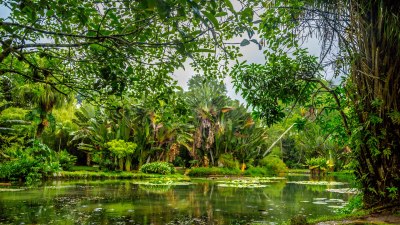
Nature itself exhibits these colors in fascinating ways. After a rain, when the crowds have thinned, surfaces reflect a new array of tones. Puddles become mirrors, showcasing the rich hues of the surrounding landscape. Leaves glisten with a wet sheen, showing off deeper greens infused with rich browns and vibrant yellows. Each color tells a story, revealing a landscape that perhaps lies hidden when filled with people, noise, and movement. In these moments, colors take on new meaning, transforming mundane scenes into masterpieces.
Human Emotion and Color Perception
Colors can evoke powerful emotions and memories, and their perception can change significantly when we are alone. It’s in these quiet moments that we find ourselves reflecting on our experiences. Perhaps sitting by a lake at sunset, we see the deep red of the sky and relate it to feelings of love or loss. The gentle blues may evoke tranquility. Solitude allows for a deepened connection to these colors, as our emotions are heightened without the interference of external noise. We may feel sadness accompanied by gray clouds or joy illuminated by a vibrant sunrise. Understanding our emotional responses to these colors can lead to greater self-awareness.
The Role of Minimalism
In recent years, minimalism has gained popularity not only as a lifestyle but as a philosophy. Embracing minimalism allows us to strip away the unnecessary noise and distractions of life, revealing a more profound appreciation for the colors and experiences that surround us. The uncluttered environment enables a sharper focus on beauty that lies in simplicity, often revealed when others are not present. Choosing the path less traveled, physically and metaphorically, allows for a deeper exploration of the palette of life.
The Impact of Technology
Modern technology has transformed how we perceive colors. With smartphones and digital screens, the world is often at our fingertips, yet this access comes at a cost. Screens can distort our perception of hues, presenting them in a way that may seem appealing yet lacks depth. When unplugging from technology and stepping outside, the natural world shows a more authentic spectrum of colors that can only be appreciated in solitude. Engaging with the world outside of screens allows us to reconnect with our surroundings and notice hues that often go unnoticed.
Art and Solitude
Art is a beautiful expression of emotion often driven by solitude. Many artists find inspiration in the quiet moments when everyone else has gone, channeling their thoughts and emotions onto canvases or into sculptures. These solitary moments are filled with potential for vibrant creativity. The colors chosen often reflect the artist's inner world, transforming their emotions into a visible spectrum. Exploring the relationship between solitude and artistic expression broadens our understanding of how colors can speak volumes through creative outlets.
Mindfulness and Appreciation
Incorporating mindfulness practices into our daily lives can profoundly enhance our perception of colors. Mindfulness encourages us to slow down, focus on the present moment, and truly observe our environment. Taking a moment to sit in silence and notice the colors surrounding us can lead to a deeper appreciation for the world. Breathing in the freshness that follows a storm or watching the hues of sunset fade into darkness can rejuvenate our spirit and allow us to connect with the beauty of life's fleeting moments.
Building Community around Solitude
Solitude and community are often seen as opposites; however, they can coexist beautifully. Many people fear moments of loneliness, yet embracing these instances can lead to stronger relationships. By seeking out solitude, individuals can learn more about themselves, which in turn can deepen connections with others. Conversations that occur after shared silence can carry greater depth, allowing for an authentic exchange of thoughts and feelings. Recognizing the value of solitude can thus improve not only self-awareness but also enhance community bonds.
Embracing the Colors
As we navigate through life, it's crucial to embrace the colors that only appear after everyone leaves. The gentle blues, deep oranges, and vibrant greens speak not only to our environment but to our emotional landscapes. By inviting solitude into our lives, we open ourselves to deeper reflections, creativity, and connection with the world around us. The next time you find yourself alone—whether it's a quiet evening, a walk in nature, or simply a moment to pause—take a moment to appreciate the colors that flourish in silence. In the beauty of stillness, a vibrant spectrum awaits discovery.