The Edges of Alaska Are Melting
Explore the profound effects of climate change as Alaska's edges melt, impacting ecosystems and communities alike.
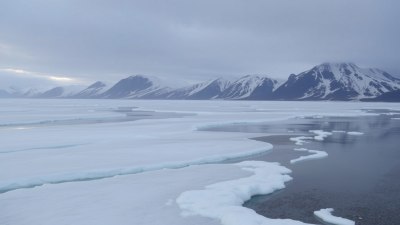
Image created with Flux Schnell
The Edges of Alaska Are Melting is a stark reminder of the urgent realities facing our planet amidst ongoing climate change. As one of the regions most affected by global warming, Alaska is witnessing dramatic transformations that have implications not only for the state itself but for the entire world. The melting of glaciers and permafrost is reshaping landscapes, disrupting ecosystems, and posing challenges to wildlife and local communities. In this article, we will delve into the causes and consequences of this phenomenon, the science behind it, and the potential paths forward.
Climate Change: The Driving Force
At the heart of Alaska's melting edges is climate change, driven largely by human activities. Fossil fuel consumption, deforestation, and industrial practices have led to increased greenhouse gas emissions. These gases trap heat in the Earth's atmosphere, leading to a gradual rise in global temperatures. According to scientists, the Arctic is warming at twice the global average, causing significant shifts in climate patterns. As temperatures rise, glaciers – the frozen rivers of ice that have existed for millennia – are melting at an alarming rate.
The Impact on Glaciers
Alaska is home to some of the largest glaciers in the world, including the famous Columbia and Mendenhall Glaciers. Glaciers serve as vital freshwater reserves and play a crucial role in regulating sea levels. However, recent satellite imagery and ground studies reveal a concerning trend: these glaciers are retreating. The U.S. Geological Survey has indicated that many Alaskan glaciers are losing mass rapidly, contributing to rising sea levels. As glaciers shrink, they not only contribute to the physical loss of land but also alter the ecosystems that depend on them.
The Role of Permafrost
In addition to the melting glaciers, permafrost – the permanently frozen ground found in Arctic regions – is also thawing. Historically, permafrost has acted as a carbon sink, trapping significant amounts of carbon dioxide and methane below the surface. However, as permafrost thaws due to increased temperatures, it releases stored greenhouse gases into the atmosphere, exacerbating climate change. This cycle of thawing and gas release creates a feedback loop that can lead to even greater warming.
Effects on Wildlife
The consequences of melting glaciers and permafrost extend beyond the physical environment to affect wildlife and ecosystems. Many species that call Alaska home are adapted to its cold climate. As temperatures rise, habitats are shifting, leading to a decline in populations of cold-adapted species. For example, polar bears rely on sea ice to hunt for seals, their primary food source. As ice melts earlier in the spring and freezes later in the fall, polar bears face challenges in finding food, leading to malnutrition and decreased reproduction rates.
Impacts on Indigenous Communities
The melting edges of Alaska are not just a concern for wildlife; they also pose significant challenges for Indigenous communities. Alaska Native tribes have lived in harmony with the land for centuries, relying on its resources for sustenance. However, as climate change alters the landscape, traditional hunting and fishing grounds are disappearing, impacting food security. Coastal erosion and thawing permafrost threaten homes and infrastructure, forcing communities to reconsider their living spaces. Many tribes are advocating for relocation and are seeking government assistance to address these challenges.
Displacement and Migration
As the environment changes, so do the lives of those who inhabit it. Some communities in Alaska are facing displacement due to rising sea levels and the loss of habitable land. Migration, whether voluntary or forced, brings its own set of problems. Families may find it challenging to adapt to new surroundings, especially if they must leave their ancestral lands. Additionally, adapting to a new environment can strain resources and increase competition for assets. In this light, climate change not only changes the physical geography but also shifts the cultural landscape.
Economic Ramifications
The melting edges of Alaska also have economic implications. The state relies heavily on a combination of tourism, fishing, and natural resource extraction. As ecosystems change, the industries that depend on them must adapt. Changes in fish migrations, disruptions to wildlife tourism, and a potential decline in the oil and gas sectors could significantly affect local economies. Furthermore, the costs associated with responding to climate change impacts, such as infrastructure upgrades and disaster preparedness, place an additional financial burden on communities and governments.
Mitigation and Adaptation Strategies
In light of these challenges, it is crucial to identify effective strategies for mitigating the impacts of climate change. Policymakers, scientists, and community leaders must work together to develop comprehensive plans that address both the immediate and long-term challenges posed by melting glaciers and permafrost. This includes improving infrastructure to withstand extreme weather, investing in renewable energy sources, and promoting sustainable practices in industries reliant on natural resources.
The Role of Technology
Technology can play a crucial role in understanding and combating climate change. Advances in satellite imaging, climate modeling, and data analysis can provide valuable insights into the rate of glacier and permafrost melt. Additionally, innovative approaches like remote sensing can help monitor changes in wildlife populations and habitat use. There is also an increasing focus on developing carbon capture technologies that can reduce the amount of greenhouse gases released into the atmosphere.
The Importance of Global Cooperation
Addressing the melting edges of Alaska and the broader implications of climate change requires a collaborative global effort. Countries must unite to commit to emissions reductions and sustainable practices. The Paris Agreement established a framework for nations to combat climate change, but commitment and action are essential to its success. By working together, we can create a more sustainable future for generations to come.
Awareness and Education
Raising awareness about climate change and its effects on regions like Alaska is critical. Education helps foster a greater understanding of the changes occurring and encourages individuals to take action in their own communities. Engaging local stakeholders, including Indigenous communities, can provide valuable insights and foster a sense of shared responsibility in addressing the challenges ahead.
The melting edges of Alaska serve as a poignant reminder of the realities of climate change. The consequences are profound, affecting ecosystems, wildlife, and communities. While the challenges posed by the melting glaciers and permafrost are significant, there are also pathways forward through innovation, collaboration, and education. The future of Alaska – and our planet – depends on our collective actions today to mitigate the effects of climate change and adapt to the changes that are already occurring.