The Golden Gate Bridge in the United States Hums the Song of Every Crossing
Explore the iconic Golden Gate Bridge, its history, engineering, and the unique experiences it offers every day.
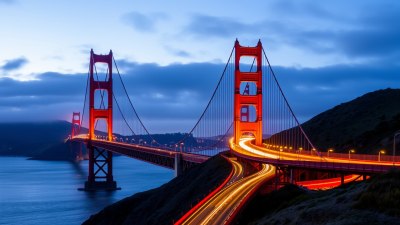
The Golden Gate Bridge, an engineering marvel and an icon of the American landscape, stretches across the strait that connects San Francisco Bay to the Pacific Ocean. This stunning piece of architecture not only serves as a vital transportation link but also stands as a testament to human ingenuity and artistic expression. Opened to the public in 1937, the bridge has since become a symbol of San Francisco and an enduring attraction for millions of visitors each year. In this article, we will delve into the rich history of the Golden Gate Bridge, its engineering feats, the cultural impact it has made, and the unforgettable experiences it offers to those who cross its hallowed pathways.
The journey of the Golden Gate Bridge begins with its conception in the early 20th century, during a time when the need for a reliable transportation connection between San Francisco and Marin County became increasingly clear. Prior to the bridge's construction, the only way to traverse this challenging strait was by ferry, making travel time-consuming and inconvenient. Recognizing the growing demand for infrastructure, the visionary engineer Joseph Strauss proposed the idea of a suspension bridge and began to rally support for the ambitious project.
After several years of planning and negotiation, construction on the Golden Gate Bridge officially commenced on January 5, 1933. Despite facing myriad challenges, including financial woes stemming from the Great Depression and fierce opposition from local maritime interests, the project continued to progress. The innovative engineering solutions developed by Strauss, along with contributions from other visionaries like Irving Morrow and Charles Alton Ellis, brought the ambitious dream one step closer to reality. The bridge's signature Art Deco style and its International Orange color were chosen to enhance visibility in the midst of San Francisco's frequent fog, ensuring that it would be both practical and visually striking.
As workers diligently toiled away, several intriguing techniques and materials were employed to bring the bridge to life. For instance, the bridge's main cables, which are each composed of 27,572 individual wires, were designed to carry the immense weight and tension necessary for the structure's stability. Remarkably, the bridge's towers rise to a height of 746 feet above the water, making them taller than the Washington Monument. Upon completion in April 1937, the Golden Gate Bridge was hailed as the longest suspension bridge in the world, a title it held for more than three decades.
Although the Golden Gate Bridge is celebrated for its astonishing engineering and design, it is equally renowned for the emotional connections it fosters. Thousands of pedestrians, cyclists, and drivers traverse its expanse daily, creating a hum of life and activity that resonates through the cables and pillars of the bridge. Each crossing carries with it a sense of adventure, reflection, or nostalgia. For many, the experience of walking or biking across the bridge provides a unique opportunity to witness the breathtaking views of the San Francisco skyline, Alcatraz Island, and the rugged Marin Headlands that flank the bridge on either side.
At the same time, the Golden Gate Bridge has also become a canvas for artistic expression. Photographers flock to capture images of the bridge at various times of the day, with its iconic silhouette often shrouded in mist or illuminated by the warm glow of the sunset. Additionally, the bridge has served as the backdrop for films, music videos, and performances, capturing the imagination of artists and audiences alike. From romantic scenes in blockbuster movies to solo music performances echoing against its steel framework, the Golden Gate Bridge embodies a universal sense of wonder and beauty.
As climate change becomes an increasingly pressing issue, discussions surrounding the future of the Golden Gate Bridge have become more relevant than ever. The bridge's unique location makes it particularly vulnerable to rising sea levels and increased storm intensity. In recent years, extensive studies have been undertaken to assess the bridge's structural integrity in light of these challenges. Engineers and city planners are working collaboratively to develop strategies for retrofitting the bridge and ensuring its longevity for generations to come.
The cultural significance of the Golden Gate Bridge extends beyond its structural existence; it serves as a reminder of the power of resilience and determination. Throughout its history, the bridge has seen its share of tragedy, from worker fatalities during construction to its symbolic association with suicide. However, it has also been a beacon of hope, inspiring countless individuals to pursue their dreams and fostering a sense of community among those who visit it. Local organizations, like the Bridge Rail Foundation, continue to advocate for mental health awareness and prevention, recognizing that the bridge is not just a physical structure, but a focal point for healing and understanding.
In conclusion, the Golden Gate Bridge remains an enduring emblem of innovation, resilience, and beauty. Its architectural significance and the connections it fosters make it a cherished landmark that resonates deeply with all who encounter it. As we look toward the future, the challenge will be ensuring that this magnificent structure continues to thrive amidst a changing world. By championing sustainable practices and preserving its historical relevance, we can ensure that the Golden Gate Bridge continues to hum the song of every crossing for generations to come.