The Great Buddha of Kamakura in Japan Has Weathered More Than Storms
Discover the enduring history and resilience of the Great Buddha of Kamakura amidst Japan's storms and challenges.
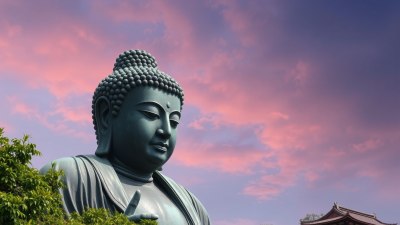
The Great Buddha of Kamakura, known as Daibutsu, stands as a symbol of Japan's rich spiritual heritage and artistic mastery. Crafted in the 13th century, this monumental statue embodies not just the artistic prowess of its time but also serves as a testament to the country's endurance through countless adversities. The Great Buddha, with its serene expression and vast presence, invites visitors from all over the world to reflect on the impermanence of life and the resilience of the human spirit.
The statue is situated in Nara, in Kanagawa Prefecture, approximately an hour south of Tokyo. This coastal town is known not only for its cultural gems like the Great Buddha but also for its beautiful scenery, including beaches and forested hills that serve as a backdrop to this monumental piece of art. The Great Buddha of Kamakura is made of bronze and was originally completed in 1252. At approximately 13.35 meters (43.8 feet) tall, this statue was once housed within a temple but now stands openly in a serene garden setting, where it continues to attract visitors from all corners of the globe.
Over the centuries, the Great Buddha has weathered various storms - both literal and metaphorical. From natural disasters such as typhoons and earthquakes to the cultural and political tumult faced by Japan, Daibutsu has remained a constant symbol of peace and hope. The statue’s endurance speaks to the craftsmanship of its creators who used the lost-wax process, a method that requires great skill and understanding of metallurgy. Each part of the statue has been carefully crafted and assembled, highlighting the dedication of the artisans who sought to create an enduring representation of Buddhist ideals.
Throughout its history, the Great Buddha has seen significant changes in its surroundings and in Japan as a whole. Initially housed within a temple, Daibutsu stood as a focal point for religious practices and gatherings. However, the temple was destroyed by tsunamis, leaving the statue to stand alone in the open air. Its presence became even more poignant as it was subject to the elements, withstanding harsh weather conditions while simultaneously becoming a beloved icon for locals and travelers alike.
Resilience in the Face of Adversity
In 1923, Japan experienced a catastrophic earthquake known as the Great Kanto Earthquake. This disaster caused significant damage across the region, leading to widespread destruction and loss of life. The Great Buddha, however, remained intact, standing tall amidst the ruins. Its survival during this period solidified its status as not only a piece of art but as a symbol of hope and resilience for those who had lost so much. Local people gathered around the statue, finding solace in its defining features and tranquil presence, which served as a comforting reminder of stability amidst chaos.
The subsequent years also saw various challenges, from World War II to shifts in cultural practices. Despite the turmoil, the Great Buddha has remained a focal point for numerous cultural events and festivals, continuing to inspire reverence and admiration. In 1978, efforts were made to preserve the statue, including restoration of its interior, which had been neglected over time. Although the outer structure remained unaffected by the elements, the internal supports were at risk, and restoration was necessary to ensure that Daibutsu would survive for future generations.
The Significance of Daibutsu
The Great Buddha of Kamakura represents the embodiment of the Buddhist ideals of compassion and peace. It addresses not only the spiritual aspirations of individuals but also the collective memory of a community that has faced and overcome adversity. The statue presents a philosophical message: that there is beauty in weathering life's storms and that each struggle can lead to enlightenment and growth.
Visiting the Great Buddha is more than just witnessing a historical artifact; it is about immersing oneself in the cultural ambiance that surrounds it. Local vendors offer traditional Japanese snacks and souvenirs, creating a lively atmosphere that enhances the experience. Travelers are encouraged to take the time to sit and reflect, to absorb the tranquil energy that radiates from Daibutsu. Many find that spending time in the vicinity of the statue fosters a sense of inner peace, a feeling that resonates deeply within visitors’ hearts.
Artistic and Spiritual Legacy
The artistry involved in constructing the Great Buddha has influenced generations of artists and sculptors. The intricate design details, from the subtle facial expressions to the elaborate folds of the robes, showcase the exquisite craftsmanship that defines this national treasure. The statue has become a symbol of the Japanese artistic spirit, inspiring contemporary works of art that draw on both traditional and modern themes.
Furthermore, Daibutsu's spiritual significance extends beyond its Buddhist origins; it serves as a bridge between different cultures. The image of the Great Buddha transcends geographic boundaries, inviting dialogue and interaction among individuals of diverse backgrounds. It stands as a reminder that compassion and understanding are universal values that unite humanity in times of turmoil.
Environmental Context and Protection
In the modern age, the preservation of cultural heritage is paramount, especially in the face of environmental challenges. Climate change poses a new threat to iconic monuments like the Great Buddha. Rising sea levels, increasingly severe weather patterns, and pollution all present risks to the integrity of the statue and its surroundings. Efforts are being made by local authorities and organizations to protect this iconic figure, ensuring that it remains a symbol of resilience for generations to come.
Conservationists have implemented measures to monitor the condition of the Great Buddha and the surrounding area. This involves regular assessments and maintenance work to repair any damage caused by environmental factors. Additionally, raising awareness about the importance of preserving cultural heritage is essential in fostering a collective responsibility among societies to protect their treasures.
The Great Buddha Today
Today, the Great Buddha of Kamakura continues to attract millions of visitors each year. Tourists from all over the world journey to gaze upon this magnificent statue and to connect with its history and spiritual significance. Local authorities have organized events promoting cultural awareness and understanding, encouraging people to explore the stories behind Daibutsu and its relevance in contemporary society.
Each year, festivals celebrate the Great Buddha, inviting both locals and visitors to engage with the rich cultural tapestry of Japan. These events often include traditional music, dance, and art, creating an immersive experience that deepens appreciation for Daibutsu and the surrounding area. Such festivals not only enhance the experience of visiting the statue but also encourage the preservation of traditions and cultural practices that define the essence of Japan.
The Great Buddha of Kamakura serves as a beacon of hope and tranquility amid the challenges that the world faces today. Its history of endurance through environmental and human challenges highlights the importance of resilience in the face of adversity. As visitors stand in the presence of Daibutsu, they are reminded of their own strength and the possibility of overcoming obstacles, fostering a shared sense of humanity and connection to the past.
In conclusion, the Great Buddha of Kamakura transcends its physical appearance, standing as a poignant reminder of the enduring spirit of humanity. It beckons us to reflect on our individual journeys, encouraging us to find peace amidst chaos. As we continue to face global challenges, may we take inspiration from Daibutsu's resilience, embracing the values of compassion, hope, and unity that it represents.