The Gyeongbokgung Palace in South Korea Wears Memory Like Silk
Explore the rich history and beauty of Gyeongbokgung Palace, a symbol of South Korea's cultural heritage.
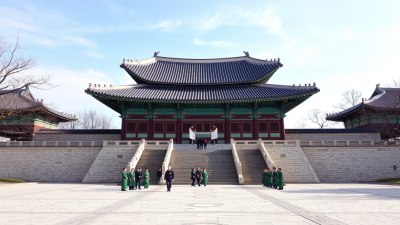
Image created with Flux Schnell
The Gyeongbokgung Palace, the largest of the Five Grand Palaces built during the Joseon Dynasty, serves as a poignant reminder of South Korea's rich heritage and history. Constructed in 1395, this palace stands as a testament to the architectural ingenuity and cultural vibrancy of its time. With its exquisite structures, lush gardens, and vibrant history, Gyeongbokgung Palace continues to capture the hearts of both locals and tourists alike. Its name translates to 'the palace greatly blessed by heaven,' and this sentiment echoes throughout the majestic halls and courtyards of this magnificent palace.
Upon entering Gyeongbokgung, visitors are welcomed by the grand Gwanghwamun Gate, which acts as the main entrance to the complex. This gate, with its imposing structure and historical significance, sets the tone for the majestic experience that lies beyond. The changing of the guard ceremony held here is a popular spectacle, where traditional costumes and regal postures transport spectators back in time to the era of Korean monarchy.
The Architectural Splendor of Gyeongbokgung
As one wanders through the palace grounds, the architectural brilliance of Korean traditional design becomes evident. Each building within the compound showcases unique characteristics, with intricately designed roofs, vibrant colors, and symbolic motifs that reflect Korea’s cultural beliefs. The main throne hall, Geunjeongjeon, is particularly noteworthy. With its towering columns and detailed decor, it served as the site for important state ceremonies, including coronations and receptions of foreign envoys. The primary purpose of this hall was to demonstrate the authority and power of the king, enveloped in an aura of silk-like elegance.
Surrounding Geunjeongjeon are other important structures, such as the Sajeongjeon and the Gyeonghoeru Pavilion. The Sajeongjeon, which served as the king's council chamber, features an intricate design and is surrounded by serene gardens. Gyeonghoeru Pavilion, located on an island, offers breathtaking views of the pond and is notable for hosting banquets during royal celebrations. The reflection of these buildings upon the water adds to the ethereal beauty of the palace, perfectly embodying the idea of memory woven with silk, as time flows over their surfaces.
Cultural Significance and Historical Context
The Gyeongbokgung Palace has borne witness to numerous significant events in Korean history, reflecting the trials and triumphs of the nation. After its construction, the palace faced destruction during the invasion of the Japanese in 1592, leading to periods of neglect and decay. Nonetheless, it was rebuilt and restored, symbolizing resilience and the power of cultural preservation.
In the late 19th century, Gyeongbokgung became a focal point of national pride as activists began to advocate for the revival of traditional Korean culture amid growing Western influences. The palace served not just as a royal residence, but as a symbol of Korean sovereignty and resilience against colonial forces.
Modern-Day Gyeongbokgung
Today, Gyeongbokgung Palace is a vibrant hub of culture and history, attracting thousands of visitors each year. The National Palace Museum of Korea and the National Folk Museum of Korea, located within the palace grounds, provide further insight into the rich traditions and artifacts that define Korean history. Here, visitors can immerse themselves in knowledge and experience the depth of the country's cultural tapestry.
Adding to its appeal, Gyeongbokgung is a stunning location throughout the seasons. In spring, cherry blossoms bloom around the palace, creating a picturesque scene that attracts photographers and nature enthusiasts alike. The warm summer months see lush greenery enveloping the buildings, while autumn turns the area into a canvas of vibrant red and gold, giving visitors a unique experience during each visit.
Winter brings a serene beauty, as the palace dusted with snow evokes a sense of tranquility. The contrast between the white snow and the rich colored rooftops offers a unique perspective of this historic site. Festivals and cultural events are frequently held at Gyeongbokgung, allowing visitors to experience traditional Korean music, dance, and performances firsthand, solidifying its role as a living museum.
The Symbol of Healing and Unity
Gyeongbokgung Palace also plays a crucial role in the collective memory and identity of Koreans. It stands as a symbol of healing, particularly in the wake of historical tragedies such as the Japanese occupation. The memories of loss, suffering, and perseverance reverberate through its walls, providing a space for reflection and unity. Memories woven with history create a rich narrative that continues to inspire future generations.
As South Korea moves forward in a rapidly modernizing world, Gyeongbokgung Palace remains a beacon of history, reminding people of their roots. It encapsulates the resilience and endurance of the Korean spirit, appealing to those who seek to understand the past while embracing the present.
A Personal Connection to the Palace
Visitors often find themselves forming personal connections to Gyeongbokgung. Whether it’s through participating in traditional dress, known as hanbok, while exploring the grounds or witnessing the gracefulness of traditional ceremonies, many leave with a profound appreciation for the cultural heritage that the palace encompasses. Taking photos in front of the majestic structures or amidst blooming gardens allows individuals to capture their own memories, intertwined with the rich history that surrounds them.
Many people describe their experiences at Gyeongbokgung as transformative. The blend of history, beauty, and personal reflection ensures that a visit here leaves a mark on one’s heart and mind. It is a place where time seems to stand still, encapsulating the essence of what it means to be part of a story far greater than oneself.
Gyeongbokgung – A Tapestry of Memories
In essence, the Gyeongbokgung Palace is more than just a historical site; it is a living testament to South Korea's resilience, culture, and memory. It wears memory like silk, elegantly intertwining the past and present, providing hope for the future. Visitors to this grand palace are not merely tourists; they become part of a continuum that honors tradition while looking forward to continued growth and unity. No matter the season, Gyeongbokgung is a place where history breathes and memories are cherished, embraced in soft silken echoes that transcend time.