The Language of Horns and Rain in Mumbai
Explore the unique sounds of Mumbai, where horns and rain create a melody of urban life.
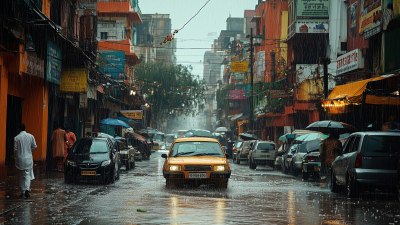
Mumbai's unique charm lies not only in its vibrant culture and diverse people but also in the myriad sounds that fill the air. Among these, the incessant honking of horns and the rhythmic patter of rain create a symphonic backdrop that is unmistakably Mumbai. To those who live here, these sounds narrate stories of daily life and experiences that are as essential to the city as its iconic skyline.
The cacophony of horns is perhaps one of the most defining features of Mumbai’s soundscape. From the honks of the auto-rickshaws weaving through traffic to the blaring horns of the buses and taxis, it is a constant reminder of the city’s hustle and bustle. Driving in Mumbai is an experience like no other. The roads are often choked with vehicles, creating a scenario where patience wears thin and honks become a form of communication among drivers. Honking isn't just a signal; it is a language in itself—each sound carrying its own meaning. A short beep may signify ‘moving ahead,’ while a prolonged honk might mean ‘I’m coming through!’
This language of horns is not limited to just the vehicles; pedestrians too are part of this auditory conversation. They weave through traffic, dodging cars with calculated precision, while cyclists zigzag through narrow lanes, each participant contributing to the urban symphony. It is fascinating how residents have adapted to this high-intensity environment, learning to tune out the chaos while making sense of the signals transmitted through sounds.
Yet, the irreplaceable sound of honks can often drown out a gentler, softer counterpart: the sound of rain. Mumbai experiences a monsoon season that transforms the city, both physically and acoustically. When the first raindrops fall, they carry a sense of relief and joy after the sweltering heat of summer. The sound of rain tapping on windows, dripping from awnings, and splattering against the pavement creates a soothing rhythm that contrasts sharply with the frenetic honking outside. This is the city's lullaby, a reminder of nature's presence amid concrete and steel.
The rain presents a different kind of language; one that speaks of communal experiences. As the clouds gather overhead and the first drops begin to fall, the city slows down. This change in tempo is palpable. Traffic often comes to a standstill, and the usual honking symphony is replaced by the soft drumming of rain on car roofs and the splash of water as cars splatter through puddles. In these moments, the people of Mumbai unite under umbrellas and raincoats, sharing smiles and laughter, forging connections that transcend the ordinary hustle of their daily lives.
The Rhythm of the City
Life in Mumbai is dictated by rhythm, where honks and rain form a dialogue that is both chaotic and harmonious. For instance, during the monsoon season, the normal rhythm of the city shifts. While honking lightly continues as a form of communication, it seems more purposeful during the rains, perhaps filled with urgency as citizens rush to reach their destinations before the downpour intensifies. Cloudbursts can result in sudden flooding, making the sounds of revving engines, tires screeching, and horns blaring a symphony of survival, testing both patience and resourcefulness.
Moreover, this dynamic between horns and rain serves to highlight Mumbai's resilience. The city is known for its ability to bounce back from challenges, and this persistence is auditory as much as it is physical. The initial chaos following a downpour is often accompanied by a surge in honking as frustrated drivers attempt to navigate roads less traveled, showcasing the spirit of determination that underpins the city's culture.
The intersection of these sounds can also evoke nostalgia. For many, the sound of rain may trigger memories of childhood—splashing in puddles, enjoying hot snacks like bhaji and cutting chai with friends, or simply the contentment felt when curled up at home with a book on a rainy day. These personal memories are often tied to the communal experience of rain in Mumbai, as the whole city changes rhythm together.
Cultural Significance
In Mumbai, the sounds of horns and rain encapsulate a broader cultural significance. Festivals and local events often amplify these sounds, creating an atmosphere that is both electric and familiar. During Ganesh Chaturthi, the sounds of jubilant celebrations, along with the honking as processions move through the streets, create a vibrant tapestry of sound. In contrast, during the festivals, much like the rain, there is a certain lightness, joy, and unity that the soundscape conveys.
Music and film also play a pivotal role in depicting this unique auditory landscape. Bollywood often utilizes the sounds of rain as a backdrop in songs, amplifying emotional experiences through the rhythm of falling rain coupled with the bustling sounds of the city. Tracks featuring lively beats mirror the honking and vibrant life of Mumbai, while serene ballads often focus on the peacefulness that rain brings, making it a multifaceted subject in Mumbai’s art and culture.
The Sound Mapping of Mumbai
Sound mapping efforts in urban studies have begun to notice how the auditory landscape impacts the quality of life in cities like Mumbai. Researchers have documented how sound can influence moods, and studies indicate that the combination of honks and rain evokes a sense of home for many residents— a reminder of their complex existence in this metropolis. This interplay of sounds highlights the very essence of Mumbai: chaotic yet beautiful, challenging yet rewarding.
As we navigate this city, appreciating the language of horns and rain can deepen our understanding of Mumbai’s identity. Residents have a unique ability to find comfort, laughter, and a sense of community amidst the sounds that buzz around them. These sounds remind us that even in chaos, there is beauty, and in moments of downpour, there are opportunities for connection and reflection.
In conclusion, the language of horns and rain in Mumbai offers a profound insight into the daily life of its residents. It is a composite of urgency and tranquility, a reminder of the vibrant spirit of a city that thrives upon the hustle of its people. The sounds echo stories of survival, resilience, and the rich tapestry of human experience. While honking horns tell tales of daily commutes, the soothing cadence of rain binds us in a shared experience that transcends words. To truly understand Mumbai, one must listen intently to its sounds—the honks that speak of necessity and the rain that sings the song of solace.