The Leaning Tower of Pisa in Italy Has Been Pretending to Fall for Centuries
Explore the history, architecture, and fascination of the Leaning Tower of Pisa, standing tall in Italy.
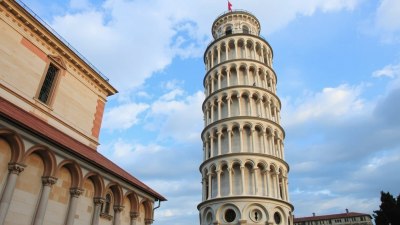
Image created with Flux Schnell
The Leaning Tower of Pisa, known for its unintended tilt, has become an iconic symbol of Italy, attracting millions of visitors each year. Constructed over 199 years, from 1173 to 1372, this freestanding bell tower is part of the cathedral complex in Pisa, and its architectural marvel is as captivating as its history.
Historical Background
The construction of the Leaning Tower began in the late 12th century, during a time of prosperity for the Republic of Pisa, which was a maritime power in the Mediterranean. The design initially aimed to create a magnificent bell tower for the adjacent cathedral, dedicated to Santa Maria Assunta. However, the foundations were laid on unstable ground, which would soon compromise the integrity of the structure before it had even reached its final height.
Architectural Features
The tower stands at approximately 56 meters tall, with eight stories, including the chamber for the seven bells. The white and gray marble facade consists of a series of arches and columns, beautifully adorned with intricate carvings and patterns. The Romanesque architectural style reflects the era's artistic excellence while also showcasing the builders' ambition to create a lasting monument.
The Leaning Phenomenon
The famous lean of the tower began during construction in the 12th century. The soft soil comprised of clay, sand, and shells could not withstand the weight of the structure, causing it to tilt. As the builders noticed the unwanted angle, they attempted to compensate for the lean by altering the design, which ultimately resulted in a tower that is both distinctive and historically significant.
Engineering Challenges
The lean prompted concern and led to various engineering attempts to stabilize the tower throughout history. By the late 20th century, the tilt reached 5.5 degrees, raising safety concerns about the potential for collapse. In the 1990s, extensive stabilization efforts, including the removal of soil from underneath the tower's foundation, reduced the tilt to around 4 degrees. These efforts have allowed the tower to remain safe for visitors while preserving its historical value.
Renovation and Preservation Efforts
In 1990, the Italian government committed to preserving the tower and the surrounding piazza; hence, teams of scientists, structural engineers, and archeologists were tasked with finding solutions to stabilize the structure. After years of research and observation, an innovative plan was put into action. The soil was excavated from the north side, allowing the tower to settle back into a more upright position, thereby reducing the lean significantly. By 2001, the stabilization work was deemed successful, and the tower was reopened to the public.
Visiting the Tower Today
The Leaning Tower remains an awe-inspiring tourist attraction, with visitors traveling from across the globe to witness its unique structure. Tourists can climb the 294 steps leading to the top, where they can enjoy panoramic views of Pisa and beyond. The inside of the tower features a spiraled staircase, emphasizing its architectural brilliance and offering a glimpse into how the unique design influences the climbing experience.
Symbol of Resilience
Beyond its physical allure, the Leaning Tower of Pisa represents resilience and the remarkable capacity of engineering to overcome challenges. Its history exemplifies that even structures initially deemed failures can evolve into celebrated works of art and beacons of cultural heritage.
Cultural Significance
The tower has inspired countless works of art, literature, and popular culture, becoming a symbol of Italy itself. From images on postcards to references in songs and films, the Leaning Tower continues to capture the imagination of generations. In addition to its artistic inspiration, the tower has served as a backdrop for various social movements and events, providing a historical reference point for local residents and visitors alike.
Trivia and Fun Facts
One interesting fact about the Leaning Tower of Pisa is that it was not always as famous as it is today. Initially, the tilt was overlooked, and it became a minor attraction until the 19th century when its architectural uniqueness began to capture the world's attention. Moreover, the tower leans to the south; however, this was not always the case. After the stabilization measures of the early 2000s, engineering attempts have maintained the lean at a safer angle, allowing the structure to remain standing for centuries more.
The Leaning Tower of Pisa is undeniably a treasure of architectural ingenuity, historical significance, and cultural symbolism. From its tumultuous beginnings to its current position as an icon of Italy, the tower embodies the spirit of perseverance and artistry that continues to inspire people worldwide. Whether you cherish its beauty or are intrigued by its story, the Leaning Tower of Pisa captivates the hearts of all who visit and serves as a reminder of the potential that lies within challenges.