The Lincoln Memorial in the United States Has Grown Quieter Over Time
Explore the evolving atmosphere of the Lincoln Memorial and how its significance has transformed over time.
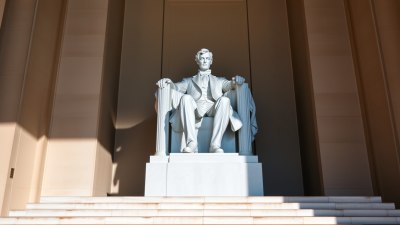
The Lincoln Memorial stands as one of the most iconic symbols of American history and culture. Located on the western end of the National Mall in Washington, D.C., this grand monument was dedicated in 1922 to honor Abraham Lincoln, the 16th President of the United States, who played a crucial role in preserving the Union during the Civil War and championing the abolition of slavery. Over the years, the Lincoln Memorial has witnessed historic events, civil rights movements, and countless visitors from around the world. However, many observers note that the atmosphere around the memorial has changed significantly, becoming quieter over time. This article will explore the reasons behind this transformation and its implications for public memory and cultural engagement.
Initially, the Lincoln Memorial was a site of both reverence and vibrant public discourse. Its towering figure of Abraham Lincoln, seated majestically on a marble chair, served as an inspiration for many who visited to pay their respects or engage in discussions about social justice, equality, and freedom. One of the most famous moments in this space occurred during the 1963 March on Washington for Jobs and Freedom, where Dr. Martin Luther King Jr. delivered his iconic “I Have a Dream” speech. This event transformed the Lincoln Memorial into not only a place of remembrance but also a platform for social change and a gathering spot for those advocating for civil rights. However, as time has progressed, the memorial has seen a notable shift in its surrounding atmosphere.
Several factors contribute to the perceived quietness of the Lincoln Memorial in the present day. To begin with, changes in societal behavior and attitudes around public expressions of dissent and activism have influenced how people engage with this significant site. In contrast to the dynamic protests and gatherings of the Civil Rights Movement era, today's visitors tend to be more reflective and subdued in their interactions at the memorial. This trend may stem from a broader cultural shift towards individualism and a preference for private contemplation rather than communal advocacy.
Another significant factor contributing to the quietness is the increasing commercialization and commercialization of public spaces in Washington, D.C. As the area surrounding the National Mall has evolved, there are now numerous tourist attractions, restaurants, and shops that compete for visitors' attention. This commercialization can detract from the solemnity and reflective environment that the Lincoln Memorial once embodied. Many tourists now opt to snap a quick photo with Lincoln in the background rather than engage in meaningful discussions about the values he represented or the historical context of the memorial itself.
Additionally, the rise of digital technology has impacted the way people interact with public monuments, including the Lincoln Memorial. With smartphones and social media, visitors often take selfies or record their experiences for online sharing rather than engaging with the historical significance of the site. This shift has rendered the space quieter, as the focus has shifted from collective public experience to individual storytelling. While capturing a moment digitally can promote awareness, it often diminishes the immersive engagement that physical presence and dialogue can offer.
Moreover, societal dynamics such as political polarization and cultural fragmentation have led to a hesitancy to congregate at sites with deep historical and emotional significance. The Lincoln Memorial has, at times, become a battleground for differing interpretations of American identity, history, and values. This polarization has made some individuals or groups reluctant to gather at the memorial, fearing that their presence might provoke opposition or controversy. As a result, the gatherings that once animated the space have diminished, contributing to its perceptibly quieter atmosphere.
The role of the Lincoln Memorial as a site of collective memory and cultural reflection is pivotal in understanding its significance today. While much of America continues to grapple with issues of race, equality, and civil rights, the memorial serves as a reminder of both progress made and the challenges that lie ahead. The quieter atmosphere around the memorial does not diminish its importance; rather, it reflects a shifting landscape of public engagement, memory, and the ways people choose to honor historical figures and events.
In response to this evolving atmosphere, efforts have been made to revitalize the memorial's role in public discourse. Organizations and activists continue to use the site for various events and initiatives aimed at fostering dialogue around social issues and promoting civic engagement. These efforts highlight the potential for the Lincoln Memorial to reclaim its status as a hub for discussions about justice, equity, and democracy. As people gather to reflect on Lincoln's legacy, they create opportunities for connection and understanding that transcend past grievances and unite individuals around shared values.
Ultimately, the Lincoln Memorial is a testament to America's foundational ideals and a beacon for those who strive for a more just society. While the space may seem quieter today, it remains a potent symbol of resilience, progress, and the ongoing quest for equality. As the nation continues to navigate complex social issues, the memorial can serve as both a reminder of our collective past and an inspiration for future generations. Encouraging new forms of engagement and dialogue at the memorial may not only amplify the voices of those who have come before but also foster a renewed sense of community around shared ideals.
In conclusion, the evolution of the atmosphere around the Lincoln Memorial reflects broader social, cultural, and technological changes that have influenced public engagement with history and memory. While it is often perceived as quieter than in its earlier years, the possibility for revitalizing its role as a center for discussion and advocacy remains. By fostering new relationships with the memorial and encouraging active participation, society can ensure that the legacy of Abraham Lincoln endures as a source of inspiration and empowerment for future generations. Understanding the transformation of the Lincoln Memorial’s atmosphere invites us to consider how we honor the histories that shape our identity and the communal spaces where we gather to envision a more equitable future.