The Monastery of Montserrat in Spain Listens More Than It Speaks
Explore the serene beauty and deep spirituality of Montserrat Monastery, a hidden gem in Spain.
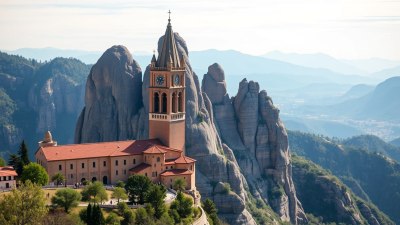
Nestled high in the stunning Montserrat mountain range, just 30 kilometers northwest of Barcelona, the Monastery of Montserrat stands not only as a religious center but also as a profound symbol of spiritual reflection and natural beauty. This remarkable site, known as 'Santa Maria de Montserrat,' signifies the deep-rooted connection between faith and the breathtaking landscape that surrounds it. The monastery attracts thousands of visitors each year, yet it possesses an air of quiet contemplation that invites silence more than it does speech.
Founded in the 9th century, the monastery has a rich history, intertwined with legend and reverence. It is primarily known for housing the revered statue of the Black Madonna, La Moreneta, which has become a significant figure in Catalan culture and spirituality. Pilgrims and tourists alike come to witness this iconic representation of the Virgin Mary, believed to have miraculous powers. However, the deeper experience of Montserrat extends beyond the artistic and religious significance of La Moreneta. The setting itself—the majestic mountains, the serene atmosphere, and the panoramic views—fosters an environment conducive to introspection and listening.
A Historical Overview
The historical tapestry of Montserrat's monastery is woven from tales of devotion, art, and resilience. Originally a small hermit's community, it gradually developed into a Benedictine monastery known for its commitment to prayer and education. Over the centuries, Montserrat has endured various tumultuous periods, including the Napoleonic invasions in the early 19th century, which led to significant destruction. Yet, its spirit remained unbroken, continually attracting those in search of spiritual solace.
In the 20th century, Montserrat subsequently flourished once again, becoming a focal point for Catalan identity, especially during the suppression of Catalonia's culture. The monastery symbolized a beacon of hope and resistance, providing a space where the Catalan language and devotion to local traditions could thrive. This historical significance, combined with its captivating environment, makes Montserrat not just a place of pilgrimage but a repository of cultural and spiritual listening.
The Spiritual Landscape
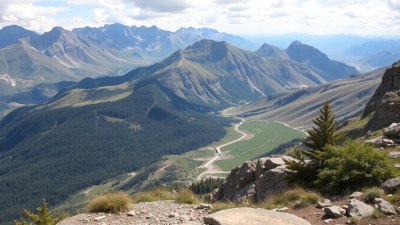
The landscape surrounding Montserrat plays a crucial role in the monastery’s appeal. The rugged cliffs and unique rock formations, reaching heights of over 1,200 meters, create a breathtaking backdrop that feels almost otherworldly. Visitors often describe a sense of peace and connectedness with nature upon arriving, encouraging a deep form of listening—attuning oneself to the whispers of the mountains, the winds, and the silence that envelops the monastery.
Within the monastery itself, the architecture is elegant yet unpretentious, resonating with the monastic values of humility and simplicity. The combination of Gothic and Renaissance styles presents a harmonious blend that reflects the innate spirituality of the place. The interior of the basilica is adorned with stunning artwork that reinforces the spiritual atmosphere, creating spaces for prayer and contemplation. Unlike many tourist destinations bustling with noise and activity, Montserrat offers an alternative—this is a place that listens.
The Role of Music
At Montserrat, music also serves as a language of its own, deeply integrated into its spiritual practice. The boys’ choir, known as ‘Escolania,’ is one of the oldest in Europe and performs daily, bringing voices of purity and harmony into the monastery. Their performances resonate not only within the walls but also in the hearts of listeners, evoking emotions that transcend words. The serene sounds of chant and sacred music create an atmosphere that encourages the act of listening, allowing both pilgrims and visitors to connect on a deeper spiritual level.
This musical heritage, built over centuries, reinforces the monastery’s identity as a place of peace and reflection. Visitors often find themselves deeply moved by the music, which serves as a bridge between their inner thoughts and the outside world, urging them to listen to both. The choirs' melodies intertwine with the natural sounds of the mountains, heightening the sense of tranquility.
Art and Culture
Art also plays a significant part in the experience of Montserrat, where every piece serves as a testament to the artistic devotion inspired by faith. The monastery features numerous artworks, including paintings by renowned artists such as El Greco, which further strengthens its role as a cultural and spiritual hub. Visitors can explore the museum and view this incredible collection that encompasses centuries of artistic expression, highlighting how faith can manifest through creativity.
Engaging with these artworks, visitors are invited to listen to the silent stories and messages they convey—a dialogue that transcends language, urging spectators to reflect on their meanings and significance. In many ways, art at Montserrat acts as a silent guide, encouraging visitors to engage with their emotions and introspection rather than noise and chatter.
Hiking and Nature Trails
For those seeking adventure, the surrounding natural environment of Montserrat offers a plethora of hiking trails that cater to all levels of fitness. Walking among the rugged terrain allows individuals to immerse themselves in the beauty of nature, promoting a meditative experience that fosters listening. As hikers traverse the various paths, they encounter stunning vistas that inspire awe and reverence, often finding moments of solitude to reflect and listen to their thoughts.
The natural environment surrounding Montserrat serves as a reminder of the greater universe, inspiring contemplation about existence, spirituality, and connection. The silence of the mountains and the sounds of nature create a symphony that invites individuals to pause, listen, and reflect on their lives in relation to the world around them.
The Pilgrimage Experience
The journey to Montserrat often begins with a sense of pilgrimage, whether one is religious or not. The act of travelling to a sacred place encourages a mindset of openness and receptivity, allowing visitors to engage in a form of listening—listening to one's inner self and the divine. Many pilgrims describe their experience as transformative, where they arrive with questions, doubts, and hopes, only to leave with a renewed sense of purpose and direction.
The ritual of pilgrimage itself is steeped in history and meaning, emphasizing the importance of the journey as much as the destination. As visitors ascend the mountain, be it through hiking or the scenic funicular, the journey becomes a metaphorical ascent towards self-discovery and spiritual awakening. This process of listening—both actively to the surroundings and introspectively to one’s thoughts—shapes their experience at Montserrat.
Community and Loneliness
Despite the significant visitor numbers, Montserrat offers a unique experience of loneliness within community. The monastery's design allows for both collective worship and individual contemplation, creating spaces where visitors can feel both connected to others and alone with their thoughts. This duality invites a listening that is profound, encouraging individuals to embrace the silence and solitude while also being part of a larger spiritual dialogue.
The monks who reside at Montserrat embody this spirit of listening as they engage in their daily routines of prayer and service. Their way of life inspires others to seek the genuine, authentic listening experience, allowing both visitors and residents to enter a contemplative space that transcends typical social interactions. This community of monks serves as a powerful reminder of the value of listening in a world often dominated by noise.
Final Reflections
The Monastery of Montserrat is much more than a visual marvel or a religious destination; it is a unique environment that calls for listening and reflection. Here, individuals can step away from the chaos of everyday life, tuning into the silent symphony of nature, music, and spirituality. Montserrat encapsulates a profound and transformative experience where one can embrace silence, reflect on personal journeys, and listen not only with the ears but also with the heart and soul.
For those seeking solace, inspiration, or a deeper connection to themselves and the world around them, Montserrat stands as a timeless refuge. The mountains continue to listen, the music beckons, and the walls of the monastery hold countless stories, whispering invitations to anyone willing to engage in the profound art of listening.