The Monument to the Revolution in Mexico Wears Its History Like a Hat
Explore the rich history and architectural significance of the Monument to the Revolution in Mexico City.
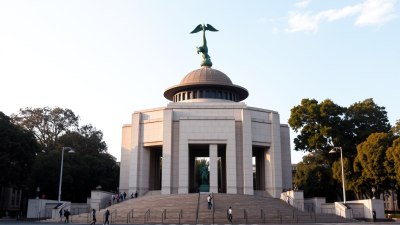
Image created with Flux Schnell
The Monument to the Revolution, located in Mexico City, is an iconic structure that not only commemorates the Mexican Revolution but also serves as a symbol of the nation's resilience and cultural identity. Designed by architect Emilio Duhart and built between 1932 and 1938, the monument's distinctive hat-like structure captures the spirit of a pivotal moment in Mexican history. In this article, we unravel the layers of history and architecture that make this monument a significant landmark.
Historical Background
The Monument to the Revolution was conceived as part of a broader movement to honor the heroes and events of the Mexican Revolution which began in 1910. This revolution was a response to decades of dictatorial rule, marked by widespread social and economic inequality. As people rallied for land reform, workers' rights, and political freedoms, the conflict stretched for a decade and led to significant changes in Mexican society. The monument stands in the Plaza de la República, a site full of historical significance, as it was here that revolutionary leaders and their followers gathered to fight for their rights.
Architectural Design
The architecture of the Monument to the Revolution is inspired by the Art Deco movement, which was prominent in the early 20th century. Its most distinctive feature is the large dome, which resembles a hat. This dome serves not only as a design element but also as a representation of the revolutionary spirit. The monument itself is 67 meters tall and includes a 12-meter high bronze statue of the revolutionary leader Francisco I. Madero atop the dome. The base of the monument is made of local stone, giving it a robust appearance and a sense of permanence.
Construction Challenges
The construction of the monument was not without its challenges. Initially, the monument was intended to be a ceremonial palace designed by architect José María W. de la Vega, but after the original plans fell through due to the Revolution, Emilio Duhart took over the project. The construction faced numerous delays, funding shortages, and the political instability of the era. Despite these hurdles, the monument was finally completed in 1938, becoming a central piece in the urban landscape of Mexico City.
Cultural Significance
Beyond its architectural grandeur, the Monument to the Revolution holds immense cultural significance for the Mexican people. It serves as a gathering place for various political and social movements and continues to be a site of remembrance for those who lost their lives during the struggles for freedom and justice. The monument hosts events, parades, and commemorative gatherings, making it a living part of the nation’s ongoing narrative. The monument's role as a symbol of struggle and resilience resonates deeply within the hearts of Mexicans, reminding them of the sacrifices made during the revolution.
The Surrounding Area
The area surrounding the Monument to the Revolution is equally vibrant and rich in culture. The Plaza de la República is often filled with visitors, local vendors, and performers, creating an atmosphere full of life and energy. Nearby, visitors can find the historic Casa de la Cultura, an important cultural hub that offers exhibitions, music, and dance performances. The presence of modern cafés and restaurants adds to the lively neighborhood, making it a popular destination for both locals and tourists. The monument is also located near other significant sites in Mexico City, including the Palacio de Bellas Artes and the Alameda Central, allowing for a day filled with exploration and discovery.
Visiting the Monument
If you plan to visit the Monument to the Revolution, there are several things to keep in mind. The monument is accessible to the public, and visitors can climb to the viewing platform at the top for panoramic views of Mexico City. Admission to the monument is typically free, although there may be a small fee for the platform access. It's recommended to visit during the day to fully appreciate the intricate details of the structure and the surrounding urban landscape. To truly immerse yourself in the history, consider joining a guided tour that focuses on the military and cultural history of Mexico. Various local guides offer informative insights that bring the monument's past to life, sharing stories of notable figures and events tied to the revolution.
Art and Commemoration
The interiors of the Monument to the Revolution also feature impressive murals and artworks that depict significant moments from the revolution. Artists such as José Clemente Orozco and Diego Rivera have left their mark on the walls of the structure, showcasing the struggle and heroism of the Mexican people. These murals serve as a powerful reminder of the nation's history and the ongoing narrative of resistance and hope. Additionally, the crypt below the monument contains the remains of several revolutionary leaders, serving as a final resting place and a tribute to their sacrifice. The presence of these influential figures adds a somber yet reverent note to the visiting experience.
The Monument to the Revolution is much more than a mere structure; it encapsulates the history, struggles, and aspirations of the Mexican people. Its unique design, rich heritage, and cultural significance make it a landmark that continues to inspire both residents and visitors alike. As you stand beneath its grand dome, you cannot help but feel a connection to the past and a sense of hope for the future. This vibrant monument truly wears its history like a hat, a fitting symbol for a nation that embraces its complex history while looking forward to new beginnings.