The Mourning Doves and Metro Lines of Mexico City
Explore the connection between mourning doves and the iconic metro lines of Mexico City, reflecting on urban nature.
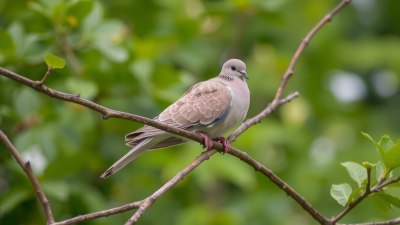
The city of Mexico, a vibrant metropolis, teems with life and diversity, where the hum of the urban environment meets the whispers of nature. Among the urban wildlife, the mourning dove (Zenaida macroura) stands out as a symbol of the resilience and adaptability of wildlife in the face of urbanization. This article delves into the relationship between mourning doves and the metro lines of Mexico City, examining how these birds have adapted to the fast-paced life of one of the largest cities in the world.
Mexico City is known for its extensive and efficient metro system, which serves millions of passengers daily, weaving through the city like veins providing life and movement. The metro lines not only connect different parts of the city but also intersect with various natural habitats, creating an interesting juxtaposition between urban infrastructure and wildlife. Among the many species that inhabit the green spaces, parks, and open areas near the metro lines, the mourning dove is particularly prominent.
Mourning Doves in Urban Landscapes
Mourning doves are relatively small, slender birds with long tails and a gentle cooing call. They are easily identifiable by their soft grayish-brown plumage, making them blend with the muted tones of the urban environment. In a city rife with architectural wonders and bustling streets, these birds continue to thrive, finding refuge and food in the least expected places. Their adaptability to human presence allows them to inhabit parks, gardens, and even residential areas, benefiting from the food sources provided by people.
The mourning doves’ ability to thrive in urban landscapes speaks volumes about the resilience of nature. As the metro lines crisscross the city, they often run adjacent to parks and natural habitats that serve as nesting sites and feeding grounds for the doves. The birds gather near stations, where food scraps abound from daily commuters, further demonstrating their cleverness in utilizing urban ecology to their advantage.
The Role of Green Spaces
Green spaces in Mexico City play a crucial role in maintaining biodiversity amidst urban development. They provide essential habitats for various species, including the mourning dove. Parks such as Chapultepec and La Mexicana not only serve as recreational spaces for citizens but also act as critical ecosystems where mourning doves can flourish. The presence of these green areas creates a balance where urban and natural elements coexist harmoniously.
The interconnectedness between these green spaces and the metro system cannot be understated. The metro lines have been strategically designed to connect urban populations with parks and recreational areas, encouraging city dwellers to engage with nature. The ability of mourning doves to navigate through these spaces illustrates their adaptability and the importance of preserving urban biodiversity.
Impact of Urbanization
Urbanization poses significant challenges for wildlife, and mourning doves are not exempt from its impacts. Habitat destruction, pollution, and human interference can lead to declines in bird populations. However, the mourning dove seems to have carved a niche for itself in urban landscapes. Their presence near metro lines signifies the importance of understanding how human-made environments affect wildlife.
Despite the challenges, mourning doves have shown remarkable adaptability. They often nest in low shrubs and trees found in parks adjacent to the metro lines, making them relatively safe from predators while staying close to food sources. This resilience showcases the capacity of wildlife to adjust to ever-changing environments, highlighting the delicate balance between nature and urban development.
Conservation Efforts
Awareness of the significance of urban wildlife has led to various conservation efforts aimed at enhancing habitat availability for species like mourning doves. Initiatives to expand and maintain green spaces within Mexico City help support biodiversity. Community programs educate residents about the importance of preserving local ecosystems and encouraging sustainable practices that benefit wildlife.
Furthermore, policies that promote responsible urban planning can mitigate the adverse effects of urbanization on wildlife populations. By integrating natural corridors and preserving existing green areas, the city can foster a thriving environment for mourning doves and other species, ensuring their survival amidst the encroaching cityscape.
Human Connection to Nature
The relationship between the mourning dove and the metro lines of Mexico City also speaks to a broader theme: the human connection to nature. As urbanization continues to grow, it is essential for city dwellers to engage with the natural world around them. The presence of mourning doves serves as a gentle reminder of the wildlife that shares this urban landscape. Observing these birds can inspire appreciation and respect for nature, encouraging a sense of stewardship for the environment.
The coexistence of mourning doves and the metro lines contributes to the cultural tapestry of Mexico City, where people navigate their daily lives while sharing the space with these beautiful creatures. Public art installations and community events focused on celebrating local wildlife can enhance awareness and promote a stronger bond between residents and the natural world.
Adaptation Strategies of Mourning Doves
Mourning doves employ several strategies to adapt to urban living. These birds are not only skilled foragers but also exhibit behaviors that allow them to avoid potential dangers posed by urban environments. Their ability to blend into their surroundings helps to conceal them from predators, while their natural flight instincts keep them agile and alert to threats.
Moreover, mourning doves have developed distinctive social behaviors that facilitate their survival. They are often seen in pairs or small groups, which not only provides safety in numbers but also enhances their ability to locate food. This social structure allows them to communicate effectively and react to threats collectively, showcasing a remarkable adaptation to life in a bustling city.
Future of Mourning Doves in Mexico City
The future of mourning doves in Mexico City will depend on ongoing conservation efforts and public awareness. As urbanization continues to expand, it is crucial to maintain green spaces, promote sustainable practices, and integrate wildlife considerations into urban planning. By fostering a culture of respect for nature, residents can help ensure the survival of mourning doves and other species that share their city.
Urban wildlife can thrive alongside human populations, provided a balance is struck between development and conservation. The resilience and adaptability of mourning doves serve as an example of nature's tenacity, reminding us of our duty to protect the environment and all its inhabitants, even in the heart of a bustling metropolis.
In conclusion, the intersection of mourning doves and the metro lines of Mexico City symbolizes a unique relationship between urban life and nature. As the city continues to grow and evolve, the presence of these birds highlights the importance of biodiversity and the need for conservation efforts to protect wildlife. Observations of mourning doves can inspire a deeper appreciation for the intricate web of life that thrives even amidst urban chaos, reminding us all that nature has a place in our cities.