The Obelisk in Luxor, Egypt Is Tired of Pointing
Explore the story of Luxor's ancient obelisk and its cultural significance over millennia.
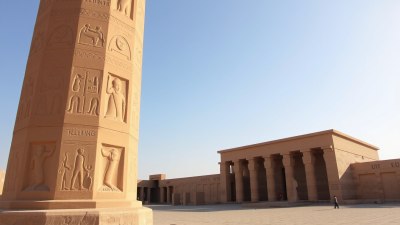
Image created with Flux Schnell
The magnificent obelisk standing in Luxor, Egypt, is a testimony to the country's rich historical legacy. Erected thousands of years ago, this monolithic structure has weathered time, witnessing the rise and fall of dynasties, wars, and cultural shifts. Traditionally, obelisks were erected to honor prominent pharaohs and deities, serving as symbols of power and spirituality in ancient Egyptian civilization. However, the obelisk in Luxor has a story that goes beyond mere symbolism; it's a narrative of endurance, cultural shifts, and an ecosystem of changes that speak to the heart of history.
The obelisks that dot the Egyptian landscape were constructed during the reign of powerful pharaohs, often adorned with hieroglyphics that recount tales of glory, worship, and divine favor. These towering structures, typically made of granite, were often taken from quarries in Aswan and transported to their final sites, where they would be placed in pairs at the entrances of temples. The obelisk in Luxor, known as the ‘Obelisk of Hatshepsut,’ is one of the best-preserved and stands as a tribute to the female pharaoh who ruled in the 15th century B.C.
The Journey of the Obelisk
The origins of the Luxor obelisk are steeped in intrigue. It was originally part of a larger temple complex dedicated to the god Amun at Karnak. Over time, it became a significant landmark within the ancient city of Thebes, which was the capital during the height of the Egyptian Empire. Measuring over 25 meters in height and weighing around 320 tons, its construction was no small feat. Built to honor Hatshepsut, the pharaoh chose to commemorate both her reign and the divine connection she claimed with Amun.
Transporting an obelisk was nothing short of a logistical marvel in the ancient world. Workers would use sledges and manpower, along with the cunning application of sledding techniques involving wet sand to reduce friction. The journey to its placement in Luxor was arduous, and much of the success of this endeavor can be attributed to the ingenuity and determination of the laborers of that era.
Symbolism and Cultural Significance
Throughout centuries, the obelisk has served as more than just an architectural feat; it symbolizes the essence of the pharaonic rule and reflects the deep spiritual beliefs of the Egyptian people. The pointed top of the obelisk, known as the ‘pyramidion,’ was believed to serve as a connection point between the earth and the heavens, thus embodying the ancient Egyptians’ complex understanding of the cosmos.
The inscriptions on the face of the obelisk extol the achievements of Hatshepsut, including her divine birth and the military exploits that solidified her reign. Her efforts to promote trade and architectural grandeur are captured in the hieroglyphics that adorn her obelisk. These inscriptions serve as an ancient narrative, telling stories not only of the past but echoing through the ages into our modern understanding of history and power.
Modern-Day Relevance
Today, the obelisk remains a major attraction in the archaeological landscape of Luxor, drawing tourists and history enthusiasts from around the globe. Despite its age, it stands as an emblem of resilience against the backdrop of the inevitable passage of time. Tourists flock to witness the grandeur of this ancient marvel, often captivated by the face of history that its stone facade reveals.
However, the obelisk’s journey is not just one of ancient glory; it has also faced the challenges of modernity and environmental factors that threaten its preservation. The rising Nile waters, urban encroachment, and tourism pressures are all concerns that have ignited discussions about how best to protect and maintain this iconic structure. This obelisk, and others like it, become symbols of cultural heritage that modern society must strive to preserve.
Challenges to Preservation
The effects of climate change and pollution pose real threats to the obelisk and analogous historical structures. The rising levels of the Nile River and the effects of nearby constructions make preservation efforts increasingly vital. Initiatives aimed at protecting this singular monument include government policies, collaborations with international heritage organizations, and community awareness programs focusing on heritage conservation. The question arises: what measures can be taken to ensure the longevity of such sites while accommodating modern-day interests?
The Obelisk's Call to Action
While one might whimsically say that the obelisk is 'tired of pointing,' the reality is that it stands as a reminder of the extraordinary capabilities of ancient civilizations—a beacon calling humanity to reflect on both the past and present. The historical significance of Luxor’s obelisk beckons us to value our roots and understand that preserving our heritage isn’t merely an act of conservation; it’s an act of continuity, ensuring that future generations can engage with their history through tangible connections.
As we navigate an increasingly globalized world, it becomes more critical than ever to foster discussions around heritage sites like the obelisk of Luxor. Awareness campaigns highlighting its importance, as well as educational programs focused on the history and heritage of Egypt, can serve to unite communities in a shared commitment to uphold this monument's legacy.
A Living History
The Luxor obelisk stands not only as part of the physical landscape but as an integral part of our collective memory. It embodies stories that resonate with contemporary narratives about power, spirituality, and identity. As we reflect on its significance, there is an undeniable recognition that the stories told by the obelisk transcend time, influencing the way we perceive our world today.
In a rapidly changing society, the challenge lies in ensuring that we honor these monumental legacies while forging a path toward a future that appreciates and recognizes the value of preserving historical treasures. The Luxor obelisk, with its storied past, embraces a dual narrative—one of an ancient civilization and the other of modern aspirations and challenges.
As we stand before the obelisk in Luxor, we are invited to participate in a dialogue that spans ages. Its enduring presence is a bridge linking the ancient with the modern, the spiritual with the temporal. The obelisk is tired, yes, but it is also resilient and ever-watchful, waiting patiently for societies to act upon the lessons it imparts. With every visit, every inscription read, and every story shared, we become part of a continuum that honors history while paving pathways for the future. Luxor's obelisk is more than merely a stone structure; it is a profound witness to human aspirations, struggles, and the ultimate quest for meaning through the ages.