The Rock-Hewn Churches of Lalibela in Ethiopia Listen From Within the Earth
Explore the sacred Rock-Hewn Churches of Lalibela, a historical marvel hidden within Ethiopia's earth. A journey through faith and craftsmanship.
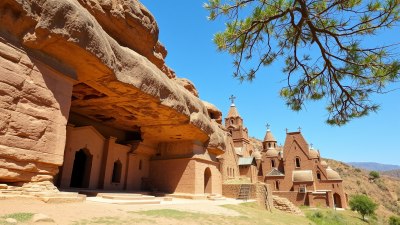
Image created with Flux Schnell
The Rock-Hewn Churches of Lalibela, a UNESCO World Heritage site, stand as a testament to Ethiopia's rich religious heritage and architectural brilliance. Burrowed into the bedrock of the Ethiopian highlands, these churches were carved during the reign of King Lalibela in the 12th century. This unique architectural feat not only showcases the incredible ingenuity of the Ethiopian people but also serves as a pilgrimage site that reflects a deep connection with spirituality and historical narratives.
King Lalibela aimed to create a 'New Jerusalem' following the Muslim conquests that hindered Ethiopian pilgrims from reaching the holy sites in Jerusalem. The churches, each meticulously carved from a single piece of rock, are impressive examples of monolithic architecture, embodying the essence of Christian faith intertwined with the rich cultural fabric of Ethiopia.
An Overview of the Churches
There are eleven churches in total, each distinct in design yet united in their spiritual purpose. The most famous among them are St. George's Church (Bete Giyorgis), which is shaped like a cross, and St. Mary’s Church, known for its exquisite frescoes that depict biblical narratives. The architecture reflects the unique blend of Christian and local traditions, and each church tells a story of religious devotion and artistry.
The Carving Process
The churches were carved directly from rock and require not only an artistic vision but also advanced engineering skills. The artisans used simple tools like chisels and hammers to transform solid granite into intricate designs, creating columns, arches, and elaborate facades. This painstaking process involved meticulous planning; the builders worked from the top down, ensuring the stability of the structure. The completion of these churches is a striking example of Ethiopia's architectural prowess under the celebration of faith.
Spiritual Significance
The spiritual significance of these churches extends beyond their architectural marvel. Lalibela is considered a sacred place where the earthly and divine realms merge. Each church is dedicated to an apostle or religious figure and is believed to hold spiritual power. The location attracts thousands of pilgrims every year, who journey to seek blessings, participate in services, and engage in prayer. It is a living spiritual site where the vibrancy of Ethiopian Orthodox Christianity is palpable.
Cultural Impact
The Rock-Hewn Churches have profoundly influenced Ethiopian culture, giving rise to a unique blend of religious practices, music, and art. The tradition of chanting and prayer continues to thrive in these churches, accompanying various religious festivals and ceremonies throughout the year. Furthermore, the churches have inspired generations of artists and craftsmen, whose work reflects the enduring legacy of Lalibela's vision. This dynamic interaction between the churches and culture keeps the spirit of Lalibela alive, making it a central aspect of Ethiopian identity.
Modern Preservation Efforts
In recent years, the churches have faced numerous challenges due to environmental factors and human activity. The local and international communities have recognized the need for preservation initiatives to safeguard this invaluable heritage. The Ethiopian government, alongside various NGOs, has been active in restoring and maintaining the churches while promoting sustainable tourism that respects both the religious significance and cultural integrity of the site.
Tourism and Accessibility
Tourism at Lalibela has increased significantly over the years, as travelers from around the world seek to experience its historical wealth firsthand. The site is increasingly accessible, with improved infrastructure and accommodations catering to the influx of visitors. However, increased tourism brings its own challenges, such as the need for responsible travel practices to protect the integrity of the site. Visitors are encouraged to respect local customs and engage with the communities in meaningful ways to preserve the essence of Lalibela.
Personal Reflections
For many who visit Lalibela, the experience is transformative, eliciting a profound sense of awe and spirituality. Standing within the rock-hewn walls, one can't help but feel a connection to the past, to the artisans who spent years perfecting their craft, and to the pilgrims who have journeyed here in search of solace and connection. These churches resonate with stories that echo from the very earth, reminding us of the power of faith and perseverance throughout history.
The Rock-Hewn Churches of Lalibela are not just architectural wonders; they embody a rich cultural and spiritual legacy that continues to influence Ethiopia today. The unity of faith, art, and history encapsulated in these churches reflects the resilience of a people committed to their beliefs. As we listen from within the earth, we hear the stories of devotion, craftsmanship, and community that have thrived in Lalibela for centuries.