The Skanderbeg Monument in Albania Still Waits for Quiet Applause
Explore the history and significance of the Skanderbeg Monument in Albania, a tribute to the national hero.
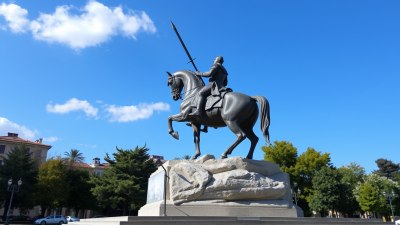
Image created with Flux Schnell
Located in the heart of Albania's capital, Tirana, the Skanderbeg Monument stands as a tribute to one of the country's most revered historical figures, Gjergj Kastrioti, known as Skanderbeg. This monumental statue is not simply a piece of art; it embodies the spirit of resistance against Ottoman rule and the fight for Albanian independence. For many, it represents a national identity forged through centuries of struggle and resilience.
The monument was unveiled in 1968, artfully crafted by sculptor A. A. Struga and his team, who aimed to encapsulate the fierce warrior spirit of Skanderbeg. He is depicted rearing back on his horse, sword in hand, gazing defiantly into the distance, embodying the very essence of Albanian pride and heritage. However, beyond the impressive craftsmanship, the monument is laden with layers of historical and cultural significance that still resonate with locals and visitors alike.
Historical Context
The legacy of Skanderbeg dates back to the 15th century when he led a rebellion against the Ottoman Empire in an effort to unify the Albanian principalities. Under his leadership, he successfully managed to repel Ottoman forces for more than two decades, becoming a symbol of courage and defiance. His tactics, known for their brilliance in guerrilla warfare, allowed him to stand against a vastly superior army, fostering a sense of unity among the fragmented Albanian clans. This period of resistance was not merely a battle for territory; it was a fight for identity, culture, and the very essence of what it means to be Albanian.
The monument, situated in Skanderbeg Square, which is the central plaza of Tirana, is surrounded by other significant landmarks including the National History Museum and the Et'hem Bey Mosque, creating a powerful narrative of Albania's past. The square has transformed over the years, serving as a gathering place for both political rallies and cultural events. Skanderbeg himself is a figure that transcends time, and his statue, neoclassical in style, bridges the gap between Albania's storied history and its contemporary aspirations.
Symbol of National Identity
Skanderbeg is widely regarded as the national hero of Albania, and the statue serves as a reminder of the struggles faced in the pursuit of freedom. Albanians take great pride in his legacy, and the monument stands as a focal point for national celebrations, especially during significant dates such as Albania's Independence Day on November 28. During such times, crowds gather to honor their hero, with festivities that include music, dance, and speeches that echo the lasting impact of Skanderbeg's contributions to the nation.
However, the monument also serves as a symbolic place of reflection. While it celebrates Albania's past, it encourages dialogue about its future. The quiet applause that the monument waits for relates to the ongoing conversations among Albanians about their identity, unity, and the aspirations for the country. It holds a unique space where both reverence and contemplation coexist, a stage for current issues that resonate deeply within the hearts of the populace.
Art and Architecture of the Monument
The architectural design of the Skanderbeg Monument reflects a mixture of neoclassical elements and socialist realism, a characteristic of several monuments constructed during the communist regime in Albania. The statue itself, towering at an impressive height, is made primarily of bronze, and the intricate details encapsulate the strength and bravery that Skanderbeg exhibited throughout his life. The dynamic posture of Skanderbeg on horseback creates a visual narrative of power and leadership, inspiring awe in all who approach.
Surrounding the statue, the infrastructure of Skanderbeg Square has seen renovations that have transformed it into a vibrant public space with gardens, fountains, and walkways where both locals and tourists converge. On certain evenings, the square comes alive with cultural performances, providing a direct link between the past and present through artistic expression. The dual nature of the monument, as a commemorative device as well as a site for contemporary cultural engagement, draws visitors from all walks of life.
The Role of Tourism
As Albania continues to emerge as a captivating travel destination in the Balkans, the Skanderbeg Monument plays a pivotal role in the tourism landscape. It is often one of the first stops for those exploring Tirana, serving to educate international visitors about Albania's history, culture, and struggles. Guided tours highlight the significance of the monument, weaving Skanderbeg’s story into the larger narrative of the nation’s path to independence and self-identity.
Moreover, the presence of the monument contributes to the sense of national pride, encouraging Albanians in the diaspora to connect with their roots. Many return to Albania to pay homage to their national hero, reinforcing the pillar of unity that Skanderbeg represents. This connection transcends borders, as the diaspora community celebrates their heritage and the resilience of their ancestors, effectively fostering a strong sense of belonging.
Contemporary Significance
In today’s rapidly changing political landscape, the Skanderbeg Monument has become a symbol of ongoing struggles for freedom and democracy not just in Albania, but throughout the Balkans. As neighboring countries navigate their own histories and identities, Skanderbeg serves as a reminder of the importance of resilience and solidarity. The quiet applause he awaits can be interpreted as a collective yearning for stability, peace, and the sustainable progress of the Albanian state.
Furthermore, the statue has garnered attention as a subject of artistic expression. Contemporary artists and scholars have engaged with Skanderbeg’s legacy, creating new interpretations that reflect current societal issues. Installations, performances, and discussions inspired by the monument often emerge, reinforcing its relevance and allowing a new generation to engage with their history. In this sense, the Skanderbeg Monument embodies a living history that evolves as society does, remaining a crucial part of Albania's cultural and historical dialogue.
Reflections on National Pride
The quiet applause that the Skanderbeg Monument awaits is ultimately linked to national pride and the reflections it evokes among the people. It acts as a mirror that reflects not just the glorious past of Albania but also its aspirations for the future. How the nation interprets Skanderbeg's legacy may shape its journey ahead, influencing the values placed on unity, independence, and resilience. The feelings stirred by the monument compel Albanians to confront their realities and envision their futures.
While the statue stands tall and proud, it invites both celebration and contemplation. Albanians, while proud of their hero, are also tasked with ensuring that his legacy is honored through actions that reflect the values he stood for - bravery, integrity, and unity. The Skanderbeg Monument is thus more than just a structure; it is a beacon of hope, an emblem of a continuous journey towards the ideals of freedom and self-determination.
As Tirana evolves and the world changes, the significance of the Skanderbeg Monument remains a constant. A place of remembrance, an emblem of national identity, and a source of inspiration for future generations, it stands ready to bear witness to the applause of a nation that continues to forge its path through history. The quiet applause may be yet to come, but the resonance of Skanderbeg's spirit will undoubtedly echo throughout the lives of all who regard his legacy as vital to the Albanian story.