The Taste of Absence in a Deserted Village in Cyprus
Explore the evocative beauty and haunting silence of deserted villages in Cyprus, reflecting on absence and memory.
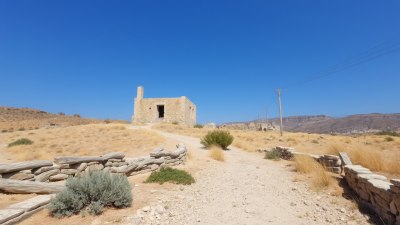
Image created with Flux Schnell
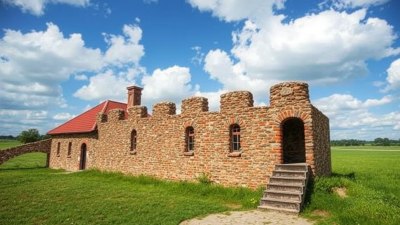
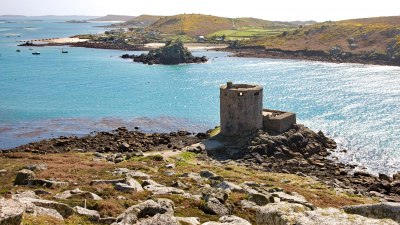
In the sun-drenched landscapes of Cyprus, where the azure sea meets golden earth, there exist remnants of a past life scattered across the island. The deserted villages, often tucked away in mountainous terrains or along forgotten paths, whisper tales of what once was. These serene yet haunting locations evoke a profound sense of absence, as nature gradually reclaims what humanity has abandoned. The experience of walking through such a village is akin to tasting the very essence of absence—rich in memories and deep in history.
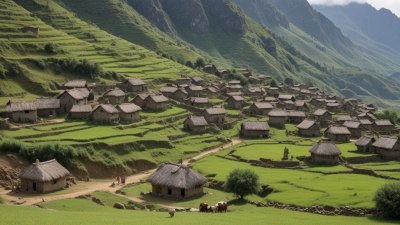
The villages of Cyprus, particularly in areas such as the Troodos Mountains and the Karpas Peninsula, stand as monuments to the island's turbulent history. Once alive with the laughter of children playing in the streets and the sounds of artisans crafting their wares, these places now echo with silence. One such village is the strikingly beautiful and hauntingly deserted Agios Georgios. With its crumbling stone houses and overgrown gardens, Agios Georgios serves as a poignant reminder of the village life that thrived here before conflict led to mass exodus.
Historical Context
The history of Cyprus has long been marked by conflict, particularly in the 20th century during the periods of intercommunal violence and the invasion of the island in 1974. As a result, many Cypriots found themselves leaving behind their homes in search of safety and stability. The deserted villages became areas where time stood still, preserving the furniture, tools, and personal belongings of those who once lived there. Walking through these ghostly remnants, one cannot help but feel a deep emotional weight; the buildings stand as silent sentinels of a time gone by.
The architecture found in these abandoned villages tells its own story. The traditional stone cottages, often adorned with vibrant bougainvillea and aged olive trees, showcase the local building techniques that reflect centuries of adaptation to the environment. Yet, the crumbling facades also tell a story of neglect and the slow but relentless encroachment of nature. The walls, once vibrant with the laughter of families, now resonate with the rustling of leaves and the whisper of the wind. Each corner, each cranny reveals fragments of lives once led, and the stillness amplifies the feeling of absence.
Nature's Embrace
As nature reclaims these deserted spaces, one can witness a beautiful yet melancholic transformation. Wildflowers burst forth through the cracks in the pavement, vines entwine around door frames, and birdsong fills the air where silence once reigned. This juxtaposition between decay and renewal adds to the allure of abandoned villages, illustrating the cyclical relationship between humanity and the environment.
As you wander further into these deserted realms, the taste of absence becomes palpable. Imagine savoring the sweetness of overripe figs growing wild, the briny air from the nearby sea, and the crispness of herbs that have taken root amongst the ruins. Each bite captures a moment, a feeling, or a memory—reminders of life in a place that once flourished. The flavors are a testament to resilience as nature continues to flourish despite the absence of human presence.
Memory and Loneliness
The sensation of solitude in these villages is profound. Each step resonates with echoes of laughter and sorrow alike, conjuring memories of gatherings, celebrations, and even grievances. The empty spaces that once bustled with activity now stand as stark reminders of loss and nostalgia. For some, visiting these villages stirs a deep emotional connection to their ancestry, while for others, it offers a moment of reflection on the passage of time and the transient nature of life.
Artistic souls often find inspiration in the deserted streets of these villages. Painters, photographers, and writers alike are drawn to the poignant beauty of absence and the stories encapsulated within these walls. The ability to capture the essence of a deserted village allows one to transcend mere observation and dive into a deeper narrative of existence, loss, and memory. Every photo, every stroke of a brush, seeks to immortalize a moment that may otherwise fade into obscurity.
A Spiritual Journey
Visiting a deserted village in Cyprus can also be a spiritual journey. Many individuals seek solace in the quietude, finding peace in the absence of distractions. The serene landscapes encourage contemplation and introspection, prompting questions about life, purpose, and the footprints we leave behind. The taste of absence here is not bitter but rather a reminder of the transient nature of existence—an invitation to embrace the present and honor the past.
In places like Karpas Peninsula, where the azure sea meets rugged cliffs, the deserted villages become a canvas showcasing nature's art. The interplay of light and shadow across the stone ruins transforms them into ethereal sculptures that change with the time of day—reflecting the ever-passing of time and the impermanence inherent in all things. Observing this beauty provides a renewed appreciation for life’s fleeting moments, underscoring the idea that even in absence, there is presence.
The Role of Memory in Absence
Memory serves as a bridge between the present and the past. Often, the stories of deserted villages are passed down through generations, preserving the legacies of those who once inhabited them. Oral traditions, tales, and folklore breathe life into the ruins, allowing visitors to glimpse a past that would otherwise remain shrouded in silence. These memories—the taste of shared meals, the joy of festivals, the struggles of daily life—infuse the deserted spaces with meaning, ensuring that even in their absence, the spirit of the village endures.
It is essential for future generations to maintain the narratives surrounding these abandoned spaces. By visiting, documenting, and sharing stories, we contribute to the continuation of their legacy. The act of remembering anchors us to our roots, building connections that transcend time and space. Therefore, each visit to a deserted village becomes not just an exploration of absence, but an essential act of remembrance that honors those who walked before us.
The taste of absence in a deserted village in Cyprus offers a profound experience, revealing layers of history, emotion, and nature’s reclaiming embrace. Every crumbling wall, every wildflower, and every silent street holds stories that evoke empathy and reflection. These deserted villages serve as poignant reminders of life’s transience, inviting visitors to pause, reflect, and embrace the memories that shape our understanding of the world. In exploring these beautiful yet haunting places, we can taste the flavors of absence, finding meaning in loss, and celebrating the indomitable spirit of both humanity and nature.