The Temple of Heaven in China Prays in Forgotten Frequencies
Explore the spiritual and acoustic mysteries of the Temple of Heaven in China.
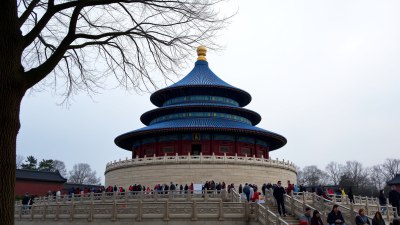
Image created with Flux Schnell
The Temple of Heaven, an iconic symbol of Chinese architecture, is not merely a religious site but a profound repository of cultural significance. This monument, built during the Ming dynasty, served as a place of worship and sacrifice dedicated to Heaven, where emperors prayed for good harvests and prosperity for their realms.
Located in the heart of Beijing, the Temple of Heaven spans over 273 hectares, surrounded by beautiful parks frequented by locals and tourists alike. The architectural marvel encompasses multiple structures, with the Hall of Prayer for Good Harvests being the most renowned. Built in 1406, this masterpiece boasts a triple-gabled roof adorned in vibrant blue tiles, symbolizing the heavens.
Historical Significance
The history of the Temple of Heaven is intricately tied to the idea of the Mandate of Heaven, a crucial philosophical concept in ancient China. According to this belief, the emperor ruled by divine right, and his governance was validated by the harmony produced in nature. Consequently, the Temple was not merely a building; it was a sacred space where earthly rulers sought assurance and connection with celestial powers.
During the grand ceremonies held at the Temple, emperors would conduct sacrifices, seeking favor from the heavens. Such rituals often included offerings of animals, grains, and incense—the sounds of praying and chanting filling the air, creating a melange of spiritual frequencies. This aspect of the Temple highlights its role as an acoustic wonder as much as a sacred site.
Acoustics and Frequency
The implications of sound within the Temple of Heaven are fascinating. The Hall of Prayer for Good Harvests is famed for its remarkable acoustics, where even the slightest whisper can resonate dramatically. This unique sound structure is attributed to its circular design and the materials used in construction, designed to enhance the conveyance of sound.
Prayers, embodied in chants and meditative frequencies, take a physical form within the Temple. Traditional Chinese beliefs hold that sound carries the essence of one's intentions and emotions. Therefore, the resonance within the Temple can be seen as a bridge connecting the earthly with the divine.
Rediscovering Forgotten Frequencies
In recent years, there has been a growing interest in the concept of 'forgotten frequencies,' referring to the ancient sounds and vibrations that once filled sacred spaces like the Temple of Heaven. Many researchers and acousticians aim to recover these sounds and understand their impact on spirituality and human consciousness. The belief is that specific sound frequencies can evoke profound emotional responses and elevate spiritual experiences.
Modern technology allows for the analysis of these frequencies, enabling the exploration of traditional hymns and instruments used during ancient ceremonies. Instruments such as bells, gongs, and various traditional string instruments could have emanated frequencies that transcended mere sound, creating a spiritual atmosphere designed for deeper contemplation and connection with the divine.
Sound Meditation Practices
Influenced by these insights into acoustic phenomena, sound meditation practices have gained popularity. These practices often incorporate music, chanting, and sound healing techniques, drawing from ancient wisdom that reverberates with contemporary mindfulness movements. The intention behind utilizing these frequencies is to align one's vibrations with the broader universe, fostering a deeper spiritual awareness.
Visitors to the Temple of Heaven now often engage in their own forms of sound meditation amidst its grandeur, echoing the ages-old practices of emperors. Whether it be through traditional instruments or vocal expressions, the idea remains the same: to pray in forgotten frequencies and to resonate harmoniously with the spirits of the past.
Global Spiritual Connections
Interestingly, the concept of spiritual acoustics is not limited to Chinese Buddhism or Daoist practices. Across various cultures, sacred spaces have been recognized for their unique sound qualities that enhance spiritual experiences. From the haunting echoes found in ancient Greek temples to the chants in Indian ashrams, there seems to be a universal understanding that sound can facilitate a connection with the divine.
Scholars have begun to draw connections between these global practices, suggesting that perhaps all sacred spaces vibrate with a set of frequencies that are inherently tied to human spirituality. The quest for understanding these shared acoustic patterns leads to fascinating discoveries about the essence of what it means to pray and how different cultures seek divine connection.
The Future of Acoustic Research
As more researchers delve into the study of ancient acoustic phenomenon, the Temple of Heaven remains a focal point due to its historical significance and its unique attributes. Future studies might reveal how the ancient Chinese understood sound and its relation to the cosmos.
This intersection of history, spirituality, and sound science opens up myriad possibilities for exploration. It encourages a dialogue that revisits the spiritual traditions of the past while seeking new ways to integrate those insights into modern practices. The Temple of Heaven, with its profound legacy, continues to inspire a new generation of spiritual seekers and acoustic scientists alike.
Visiting the Temple of Heaven Today
Visitors to the Temple of Heaven can witness the beauty of its architecture and feel the historical weight of its purpose. As people stroll through the park, they frequently engage in tai chi, yoga, and meditation, continuing the legacy of spiritual practice resonating within these walls.
The soundscape of the Temple remains a vital component of the experience. The chirping of birds, the rustling of leaves, and the laughter of visitors blend into a natural symphony that adds to the spiritual atmosphere of the space. Engaging with the Temple isn't just a visual experience; it is a multi-sensory one, inviting contemplation and reverence.
A Living Sanctuary
Reflecting upon the Temple of Heaven, one realizes it is not simply a site of past rituals but a living sanctuary of spirituality and acoustics. As we seek to reconnect with forgotten frequencies, we create space for ancient wisdom to breathe new life into our modern spiritual practices. The Temple invites all who come to embrace the vibrations of history, the echoes of prayers, and the promise of a harmonious future.