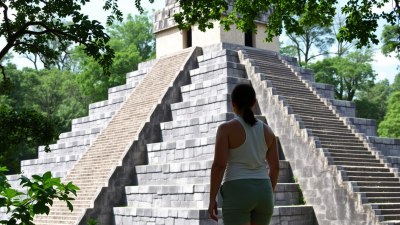
The Temple of the Sun in Peru Casts Shadows That Remember
Explore the ancient mysteries of the Temple of the Sun in Peru and its shadowy tales.

Image created with Flux Schnell
The Temple of the Sun, also known as Coricancha, is a remarkable site located in Cusco, Peru. This ancient Incan temple was once considered the most important temple in the Inca Empire, dedicated to Inti, the Sun God. Over the centuries, it has witnessed numerous historical events and transformations, making it a treasure trove of stories that echo through time. The temple's impressive architecture and spiritual significance resonate with visitors from around the world, leaving them in awe of its profound beauty and historical context.
At first glance, the Temple of the Sun appears as a magnificent structure with intricately carved stones, symbolizing the power and authority of the Inca civilization. The temple is famously built on the foundation of pre-Incan ruins and represents a seamless blend of historical cultures. The Incas were skilled architects, and their techniques are evident in the precise stonework found at the temple, where stones fit together without the use of mortar, showcasing their engineering prowess. This remarkable feature not only speaks to their advanced understanding of construction but also highlights the significant role that the temple played in their society.
The Purpose of the Temple
The primary purpose of the Temple of the Sun was to serve as a center of worship for the Inca people. Inti, the Sun God, held immense importance in Inca mythology and religion. The Incas believed that Inti was responsible for agriculture, harvests, and the overall health of their society. Hence, the temple was a vital place for rituals, offerings, and ceremonies dedicated to the sun deity. One of the central practices included the Inti Raymi festival, which celebrated the winter solstice and involved various rituals aimed at ensuring the sun's return, highlighting the intersection of spirituality and agriculture in Inca culture.
The Inca priests played a crucial role in the temple's daily operations and were responsible for conducting ceremonies and maintaining the temple's sanctity. They often performed elaborate rituals, including the sacrifice of llamas and the offering of gold, silver, and other precious items to appease the gods. The temple was a place where the spiritual and earthly realms converged, creating a profound connection between the Inca people and their environment.
Architectural Marvels
The architectural style of the Temple of the Sun reflects the Inca mastery of stone construction and design. The temple features trapezoidal doorways, which were not just aesthetic choices but served practical purposes, helping to withstand the seismic activity common in the region. The layout of the temple was meticulously planned, with various alcoves and niches that housed offerings and revered idols associated with Inti and other deities.
One of the most stunning aspects of the temple is its limestone walls, which were polished to a mirror-like finish, creating a mesmerizing effect when sunlight hit them. This design element exemplified the connection between the worship of the sun deity and the temple's architecture, as it would reflect sunlight and create a radiant atmosphere during rituals. The strategic placement of windows allowed the great sun’s rays to illuminate the interior, allowing priests to perform their ceremonies in an atmosphere rich with divine brightness.
Historical Transformations
Throughout the years, the Temple of the Sun has undergone significant changes, particularly following the Spanish conquest of the Inca Empire in the 16th century. The Spanish conquistadors, led by Francisco Pizarro, not only destroyed many Inca structures but also converted others into colonial buildings. The majority of the temple was dismantled, and a Catholic church, Santo Domingo, was constructed on its ruins. This transformation symbolizes the clash of cultures and the loss of traditional Inca spirituality under colonial rule.
Despite these alterations, remnants of the temple remain visible, providing insight into the original structure's grandeur. Visitors can marvel at the Inca stonework that has withstood the ravages of time and conflict. The foundations of the temple continue to stand as a testament to the ingenuity of Inca builders, their deep spiritual convictions, and the temple's historical significance.
Legends and Shadows
The stories surrounding the Temple of the Sun are as captivating as its physical presence. Legends persist about the temple’s ability to cast shadows that remember, a metaphorical concept suggesting that the memories of the ancient culture are forever imprinted on the stones and the land. Visitors often recount sensations of being transported back in time when standing within the temple’s walls, feeling a connection to the ancestral spirits that once worshipped there.
Some local folklore describes how the shadows cast by the Sun God during important celestial events are said to communicate messages to the living. These shadows are interpreted as guides, offering wisdom, and illuminating the past, making the temple a timeless space for reflection and reverence. Duet to its significant historical context, the temple has become a popular site for both tourists and spiritual seekers, further accentuating its mystical aura and cultural resonance.
The Role in Contemporary Culture
Today, the Temple of the Sun remains a significant cultural landmark in Peru, drawing thousands of visitors each year. It plays a vital role in the preservation and promotion of Inca heritage, as it serves as a focal point for educational programs and cultural events. Various festivals, especially Inti Raymi, are still celebrated in Cusco, attracting both locals and tourists who seek to immerse themselves in the rich traditions of the Inca civilization.
The temple also highlights the ongoing efforts of indigenous communities to reclaim and revitalize their cultural heritage. Various initiatives aim to educate younger generations about their history, languages, and customs, fostering a stronger sense of identity and belonging. By engaging in these historical narratives, locals continue to breathe life into the temple's legacy, ensuring that the shadows that remember are not forgotten.
Visiting the Temple of the Sun
For those planning to visit the Temple of the Sun, the experience is undoubtedly enriching. The temple is conveniently located in Cusco, making it an accessible destination for travelers. Guided tours are available, offering insights into the temple's historical significance, architectural features, and spiritual resonance. Tourists are encouraged to explore the surrounding Bolivian Andes, which provide breathtaking views and an understanding of the natural landscape that influenced Inca cosmology.
While visiting, it is essential to respect the cultural heritage and significance of the site. Observing local customs and traditions can further enhance the experience, allowing visitors to forge a deeper connection with the temple and its history. With responsible tourism practices, travelers can contribute to the preservation and appreciation of this incredible cultural landmark.
The Temple of the Sun in Peru stands as a monumental testament to the Inca civilization’s architectural prowess, spiritual beliefs, and enduring legacy. Its grandeur and intricate history continue to cast shadows that remember the ancient culture's nuanced relationship with the cosmos, nature, and the divine. As we delve into the depths of its history, we uncover not just the remnants of an extraordinary society, but also the echoes of their hopes, dreams, and the timeless quest for meaning. This interplay between past and present invites modern visitors to reflect on their own spiritual journeys and the shadows that shape their experiences.