The Thunder of Subways Beneath New York’s Skin
Explore the powerful and historic underground subway system of New York City.
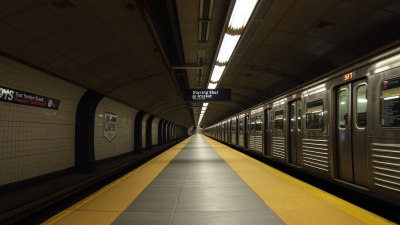
Image created with Flux Schnell
New York City’s subway system is more than just a mode of transportation; it’s an intricate network that powers the pulse of one of the world’s busiest cities. As the largest subway system in the world by several metrics, including the number of stations and daily riders, the subway plays an essential role in the life and rhythm of New Yorkers. The subway system reaches beneath the city like a formidable thunderstorm rumbling beneath the surface, connecting millions of lives daily. Each rumble of a train brings forth stories of countless individuals—their journeys, hopes, dreams, and, quite often, challenges.
The New York City subway opened its first line in 1904, a time when the city was rapidly expanding and cars were becoming a standard mode of transport. This innovative approach allowed for a swift movement of people across the densifying urban landscape, ushering in an era of modernization that would redefine New York’s character. Today, the subway has grown into a multidimensional maze of express and local trains crisscrossing the city, traversing the four boroughs of Manhattan, Brooklyn, Queens, and the Bronx. The thunderous sounds of trains echo in the tunnels beneath the surface, a constant reminder of the energy and life above.
Historical Context
The inception of New York’s subway was born out of necessity—the rapid population growth that characterized the late 19th century required innovative solutions to transportation challenges. Elevated railroads were the primary mode of public transport, but they were inherently limited by their routes and impacted the city’s aesthetic. The advent of the underground subway meant a cleaner, more efficient way to travel while reducing surface-level congestion. The rapid expansion of the network mirrored the city’s growth, with new lines added to accommodate the swelling crowds. In the years since, critical events, such as the Great Depression and World War II, have shaped the subway’s evolution, highlighting its resilience amidst adversity.
Design and Structure
The design of the subway system reflects the complexity of New York City itself. With over 472 stations, each with its unique character and architectural style, the sheer diversity of the subway’s design is remarkable. From the majestic tiles of the 1904 stations to the modern minimalist designs of the newer stops, every element tells a story of the city’s evolving identity. Metro stations often serve as bustling galleries showcasing New York’s artistic spirit. Murals, mosaics, and sculptures adorn many platforms, showcasing the work of talented artists and transforming them into spaces of cultural exchange.
The engineering behind the subway is equally impressive, with a mix of deep-level and shallow-level tunnels. The depth at which these tunnels run varies from one line to another, with some traveling beneath the East River and others situated within bedrock. This intricate engineering feat allows the subway to operate amid the city’s complex geology, seamlessly connecting its bustling areas and providing essential transit solutions. Moreover, the noise generated by the trains rumbling through the tunnels has become synonymous with New York, a unique aspect of the city’s auditory landscape.
The Commuter Experience
For many New Yorkers, the subway is a daily part of life—a means to get to work, school, or social engagements. The experience of commuting through the subway system can be a microcosm of the city itself. The throngs of commuters, each with their personalized stories, create a living tableau of New York’s diversity. Early morning trains are filled with sleepy professionals, students engrossed in their screens, tourists marveling at the experience, and artists finding inspiration. Afternoon rush hour transforms the once quieter stations into chaotic arenas filled with people rushing to their destinations.
During peak hours, the subway can feel like a cacophony of voices, footsteps, and train sounds, merging into a unified rhythm synonymous with urban life. However, this connectivity also comes with challenges. Delays and overcrowding are common issues that New Yorkers face, highlighting the constant struggle of maintaining efficiency in a system designed for a vast population. Despite these hurdles, the subway remains a symbol of resilience and adaptability, representing the spirit of a city that thrives on its challenges.
Cultural Impact
The influence of the subway transcends mere transportation; it permeates every aspect of New York City’s culture. Countless films, songs, and artworks have immortalized the subway, illustrating the emotional experience of commuting in one of the world’s most vibrant cities. From classic movies like “Midnight Cowboy” to contemporary series such as “Stranger Things,” the subway has played a pivotal role in storytelling, serving as both a backdrop and a character in its own right. Street performers bring energy to the stations, offering everything from music and dance to magic shows for passing commuters. These spontaneous acts create a unique atmosphere that adds to the subway’s character, transforming mere transit spots into cultural hubs.
The New York subway, while notorious for its challenges, provides a platform for diverse voices. The MTA’s Arts for Transit program has fostered art installations in various stations, supporting local artists while enhancing the aesthetic appeal of the subway experience. These installations range from large-scale murals to smaller artistic expressions, all carefully curated to resonate with daily commuters and tourists alike. The connection between art and transportation fuels conversations amongst passengers and fosters community appreciation for the talents that populate the city.
Current Challenges and Future Directions
Moreover, rising awareness of climate change calls for a reevaluation of public transportation systems worldwide, including New York City’s subway. The city is seeking to implement environmentally friendly practices, including energy-efficient technologies and better sustainability practices. Automation technology introduces exciting possibilities for future operations and maintenance, potentially increasing efficiency. However, these changes will require careful planning and investment to realize their benefits while ensuring current service levels remain uninterrupted.
The thunder of subways beneath New York’s skin represents more than just the roar of trains from deep underground—it encapsulates the very essence of the city. This vast transit network interweaves the lives of millions, creating connections and fostering a sense of community within the urban jungle. From its historical inception as a solution to a growing population, to its role in contemporary life, the subway remains a vital aspect of New York City. As the system faces modern challenges and opportunities, embracing its past and moving forward into the future will ensure that this underground world continues to echo the vibrancy and tenacity of the city it serves.