The Western Wall in Israel Holds Every Word Ever Spoken There
Explore the significance of the Western Wall and the profound history it embodies.
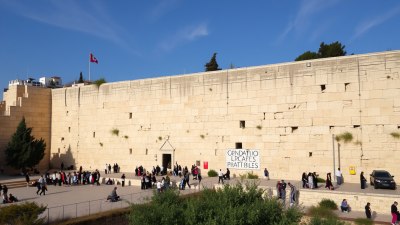
The Western Wall, known as the Kotel in Hebrew, is one of the most revered sites in Judaism and a symbol of faith, history, and resilience. This ancient wall, part of the outer retaining wall of the Temple Mount in Jerusalem, has stood for centuries, echoing the prayers, hopes, and dreams of countless individuals. The contention that it holds every word ever spoken there is not merely a poetic notion; it encapsulates the wall's deep spiritual significance and its role as a custodian of the Jewish people's collective memory.
To truly grasp the gravity of the Western Wall, one must first understand its historical context. The wall dates back to the time of King Herod in the first century BCE, when he expanded the Second Temple. Although the temple was destroyed in 70 CE during the Roman siege, the Western Wall remains a testament to the architectural prowess of ancient Israel, as well as the enduring nature of faith. Throughout centuries, it has been a site of pilgrimage, prayer, and reflection for Jews worldwide.
Visitors to the Western Wall often bring slips of paper inscribed with prayers and messages, tucking them into the crevices of the stones. This custom is rooted in the belief that the wall serves as a direct line to God, a sacred place where heartfelt supplications can be conveyed. Each note represents a unique story, a personal plea for help, gratitude, or forgiveness. The sheer volume of these written prayers reinforces the idea that the wall embodies every spoken word—each intimate whisper and fervent shout—offering a glimpse into the souls of those who have come before.
Many seminal historical events unfolded in the vicinity of the Western Wall, further enriching its narrative. The wall witnessed the Byzantine era when many churches replaced Jewish temples, and it stood firm through the Crusades when control of Jerusalem shifted among various rulers. Each era left its mark, contributing layers to the site's history. The wall's role in the establishment of the State of Israel in 1948 cannot be overlooked—after the Six-Day War in 1967, it became a unified symbol of Jewish identity and pride.
The Spiritual Essence of the Western Wall
The very spirit of the Western Wall is tied to the concept of prayer in Judaism. Many believe that prayers uttered in this sacred space have a heightened level of potency. The deep connection between the wall and the Jewish people's collective prayers reflects their perseverance through centuries of struggle and exile. It is a place where individuals seek solace, comfort, and a renewed sense of purpose amidst life's trials.
For many, praying at the Western Wall is not simply a routine but an emotional pilgrimage; it symbolizes a personal journey back to faith, community, and heritage. However, the wall's significance reaches far beyond one’s personal religious experience. It serves as a unifying force, connecting diverse groups of people across the globe wanting to share in a moment of reflection and communion.
Every Word Spoken
The assertion that the Western Wall holds every word ever spoken there resonates with the depth of human experience. The idea conjures an image of the wall being imbued with the essence of every prayer, wish, and lament uttered in its shadow. It suggests that the stones of the Wall themselves may absorb and reflect the spiritual energy poured into them over generations.
This concept aligns with the belief in the sacredness of the land; in Judaism, the land of Israel is considered profoundly holy. Each prayer spoken adds to the spiritual essence of the surroundings, creating an atmosphere where the divine presence feels tangible. The stones, weathered by time yet steadfast, symbolize an unwavering faith that has nurtured generations.
The Global Connection
In a world where people drift farther apart, the Western Wall serves as a powerful symbol of unity for Jews worldwide. Those unable to visit often turn to live broadcasts or view footage online, sharing their prayers and emotions virtually. Despite physical distances, this connection transcends barriers, creating a virtual community bound by shared values and heritage.
Furthermore, the wall invites individuals from diverse backgrounds to engage in conversations about faith, identity, and history. Visitors of various cultures and beliefs flock to the Kotel, drawn by its rich tales and spiritual vibrancy. They often leave with a greater understanding of Jewish faith and history, contributing to an enriched dialogue about shared humanity.
Challenges and Resilience
The Western Wall has not been exempt from the strife that has characterized the region. Political tensions, social divides, and security issues plague Jerusalem, impacting access to the wall and the experiences associated with it. Nevertheless, the resilience demonstrated by those who continue to gather there speaks to the wall's enduring power. The Western Wall serves as a reminder of the Jewish people's survival through adversity and their unyielding commitment to their traditions and faith.
In recent years, dynamic efforts to encourage peaceful coexistence have emerged, fostering understanding and collaboration among different faith communities. Initiatives aimed at promoting dialogue and reconciliation serve to transform the Western Wall into a space where various groups can come together in search of common goals, healing, and mutual respect.
A Place for Reflection
The significance of the Western Wall extends beyond a mere physical structure; it is also a location for reflection and contemplation. The ambience around the wall invites visitors to pause, meditate, and connect with their inner selves. For many, it becomes a sanctuary, providing a respite from the chaos of the outside world.
Art and music often intermingle with the prayers at the wall, as local musicians frequently perform uplifting and soulful pieces that resonate with those gathered. This blend of artistic expression deepens the experience, infusing the area with passion and energy that lifts the spirits.
Conclusion
The Western Wall is undeniably more than a series of ancient stones; it is a vibrant witness to the story of a people, a living monument filled with hope, faith, and resilience. As each person speaks at the wall, they contribute to its compelling narrative, adding their voice to the rich tapestry of Jewish history. Whether you find solace within its presence or seek community and connection, the Western Wall continues to be an eternal testament to the power of prayers, dreams, and the unbreakable bond between individuals and their heritage. The belief that the wall holds every word spoken there reflects a profound truth: it is a sanctuary of faith where the echoes of the past meet the aspirations of the future.