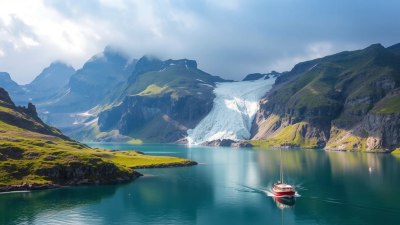
The Wind Sounds Different on a Dying Glacier
Explore the profound changes and sounds of glaciers in our warming world.
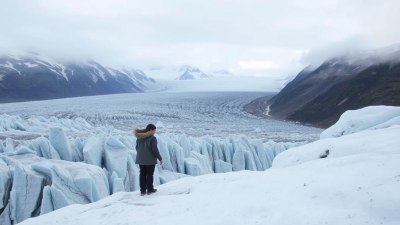
As we stand on the edge of a dying glacier, the first sensation is the crispness of the air, biting yet invigorating. The wind whispers stories of ancient ice, long before human footprints stained these remote landscapes. The sounds that fill the space are unlike anything heard in a bustling city or a tranquil forest; they resonate with the stillness that only glacial environments can offer. The ambiance is punctured by the occasional cracking of ice, a reminder of impermanence in one of nature's grandest sculptures. The wind, brushing across glacial surfaces, creates a symphony of eerie yet captivating tones, drawing our attention to the underlying narrative of climate change and its repercussions on the planet's glaciers.
Glaciers are often referred to as the planet’s freshwater reservoirs, serving critical roles in global water cycles. However, as they retreat under the weight of rising temperatures, the wind carries with it a sense of urgency—a different resonance emerges, hinting at environmental shifts not just for the glaciers but for humanity as well. This phenomenon is not merely about the tactile experience of cold air; it is about bearing witness to a landscape in transformation. The sounds echo the subtle collapse of ancient systems, inviting observers to listen closely.
Understanding Glacier Dynamics
To truly appreciate the wind's unique sound on a dying glacier, we must first examine why these towering ice forms are retreating. Glaciers are formed from compacted snow over many years, and they move slowly, almost imperceptibly. The balance between accumulation—new snow falling—and ablation—ice melting—dictates their health. In recent decades, scientists have observed alarming rates of disintegration. As climate change accelerates, glacial regions experience warmer summers, leading to increased melting. Each snap and crackle of the ice is a stark reminder of this process. The sounds we hear are essentially the glacier's way of communicating, telling us that its time is dwindling.
In remote areas where few venture, glaciers have been the silent witnesses to centuries of climatic history. Scientists study ice cores—cylindrical samples extracted from glaciers—to unveil past atmospheric conditions. Each layer of ice holds gas bubbles, revealing the composition of Earth's atmosphere thousands of years ago. It is in the very air that the glacier cries out, where each whisper of wind intertwines with history, reflecting not only the glacier's past but also its uncertain future. As scientists analyze corals, trees, and sediments alongside ice, they come to understand the intricate dance of change. The sound of the wind becomes a narrative thread, weaving through time and revealing patterns that hint at what our planet might become.
The Acoustic Environment of Glaciers
The unique acoustic properties of glacial environments contribute significantly to the distinct sounds made by the wind. The vast expanse of ice and snow creates an expansive soundscape, with the hard surface reflecting and refracting sound waves in extraordinary ways. On a dying glacier, the stagnant air and crystalline structures alter how sound propagates. When the wind sweeps across these surfaces, it carries with it a range of frequencies—from deep, low rumbles that resonate through the ground to sharp, high-pitched whistles that ripple through the air. Observers often describe the experience as being enveloped in a complex symphony, echoing the eerie beauty of the landscape.
The wind can stir up loose particles of snow and ice, creating a gentle, whispering sound as they dance in the breeze. This creates a dialogue with the ice itself, a soft percussion accompanying the low harmonics of cracking ice. For those willing to pause and absorb the environment, the cold soundscape becomes a meditative experience, evoking a profound connection to the natural world. Each gust carries with it a sense of urgency and transformation; it is not just air coursing through a barren landscape but a messenger of change.
Environmental Implications
Globally, the loss of glaciers presents serious challenges, particularly with respect to freshwater supplies and sea-level rise. Regions that rely on glacial meltwater, like those in the Himalayas and the Andes, face significant changes that could threaten agriculture, drinking water, and energy production. As we listen to the wind on a dying glacier, we are reminded of the interconnectedness of ecosystems, water cycles, and human societies. The winds carry vital information about climate trends and anomalies. With every gust, they unveil the fragility of these ice giants, urging humanity to take immediate action to address the root causes of climate change.
Glacier retreat is not merely an environmental challenge but a cultural one as well. Many indigenous communities have deep-rooted spiritual ties to glaciers, viewing them as sacred entities. The sounds of the wind on diminishing ice remind them of both loss and resilience. As the glaciers recede, these communities feel the impact on their traditions, languages, and lifestyles. In essence, the auditory experience of glaciers transforms into an expression of cultural identity, history, and ecological awareness.
The Future of Glaciers
As we contemplate the future, one can only wonder about the soundscape of glaciers yet to come. What will a world devoid of these ice sheets sound like? Will echoes of silence prevail in areas once bustling with the whispers of winds across ancient ice? Scientists predict that many glaciers could vanish within the next few decades if current trends continue. Each sound we hear today, each cracking moment, may serve as a haunting delete button on a vastly different auditory experience in the coming years. The wind on a melting glacier is a poignant reminder of what is at stake, serving as both a warning and a call to action.
Preservation efforts are underway, with communities and scientists collaborating to raise awareness about the importance of these icy behemoths. Protecting glacial regions is imperative not just for maintaining biodiversity but also for contributing to global efforts against climate change. Energy solutions, carbon capture projects, and sustainable practices emphasize the collective responsibility of humankind to mitigate further glacial retreat. The sounds of the wind on dying glaciers are more than just an auditory curiosity—they signify the urgency for change.
Listening as an Act of Awareness
In an age where technology often drowns out the sounds of nature, there is something inherently powerful about choosing to listen to the world around us. Taking the time to absorb the wind's song on a glacier allows us to connect more deeply with our environment. It invites us to reflect on our own roles in the fight against climate change. When we listen, we engage with the present and the future. Each sound serves as a reminder that every action matters; protecting glaciers is not just an environmental mission but a commitment to ensuring that future generations will hear the same winds that once sang across unbroken expanses of ice.
Glaciers may be dying, but the stories they tell through the wind are everlasting. They inspire us to listen, to learn, and to act before the last whispers of ice fade into memory. As stewards of this planet, may we find ways to amplify these glacial voices, ensuring they resonate not only in our ears but also in the hearts and minds of all who walk the Earth.