Traveling Through Panem in Rural North Carolina
Explore the unique aspects of Panem woven into the scenic landscape of rural North Carolina.
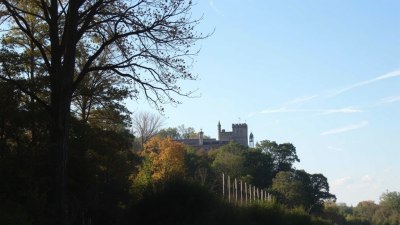
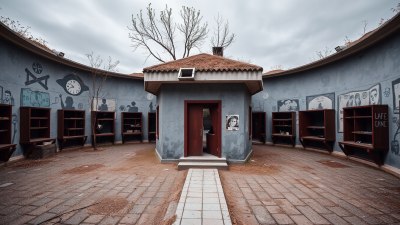
Image created with Flux Schnell
Traveling through Panem in Rural North Carolina offers a fascinating blend of literary imagination and real-world landscapes. The fictional nation, depicted in Suzanne Collins' 'The Hunger Games' series, might seem far removed from the charming small towns and rolling hills of North Carolina, yet the parallels in resilience and beauty are captivating. This article will delve into how the rural elements of North Carolina embody the spirit of Panem, weaving together themes of survival, community, and the natural environment.
Understanding Panem's Geography
Panem is divided into districts, each with unique resources and characteristics, framed by a Capitol that embodies wealth and power. In many ways, North Carolina's diverse geography reflects this district system. The eastern parts of the state, known for their coastal plains, resemble District 4 with its maritime resources. Here, fishing and beach life shine, akin to the District 4 victory celebrations witnessed in the Hunger Games arena.
The Central Piedmont region can be likened to District 3, where innovation and manufacturing thrive. The combination of urban cities such as Charlotte and surrounding rural areas is reminiscent of the complex socio-economic dynamics present in Panem, facilitating a look into how industry impacts community life. Conversely, the mountainous regions of Western North Carolina mirror District 12's coal mining setting, where tradition meets struggle in a captivating landscape marked by both beauty and hardship.
Historical Influences and Rural Culture
North Carolina's rich history of agriculture, craftsmanship, and community reflects the essence of survival seen in Panem's districts. The state's vibrant folk traditions and crafts are reminiscent of the resourcefulness required for the districts to thrive under Capitol rule. Rural festivals, local farmers' markets, and artisanal craftspeople celebrate this spirit, showcasing the artistic expression prevalent in characters like Katniss Everdeen, who finds strength in her surroundings.
Exploring towns like Asheville reveals community efforts similar to those seen in the rebellion against the Capitol. Local cooperatives and grassroots organizations work tirelessly to support sustainable agriculture, echoing the rebels' fight for justice and equality. The heartwarming connections among community members provide a stark contrast to the oppressive atmosphere of Panem, reminding us of the power of unity amidst adversity.
Nature's Role: Mountains and Forests
The landscapes of rural North Carolina have a profound influence on its culture and identity. The Blue Ridge and Smoky Mountains serve as a backdrop for a myriad of outdoor activities that foster resilience and teamwork, akin to the training tributes undergo in preparation for the Hunger Games. Hiking trails, rivers, and natural parks not only provide recreational opportunities but also historical ties to the early struggles of settlers, who faced their own versions of the Capitol's challenges.
In the forests, visitors can observe an impressive variety of flora and fauna; these natural habitats symbolize the delicate balance between survival and destruction. Wildlife encounters might evoke memories of muttations in the Games, where nature becomes both ally and adversary. Parks such as Linville Gorge and Great Smoky Mountains National Park offer a glimpse into the untamed wilderness that could serve as the arena for Panem's tributes.
Folklore and Storytelling
Storytelling is a powerful tradition in both rural North Carolina and Panem, offering insights into collective identity and resilience. The tales of the region’s past are echoed in folklore about heroes facing monumental odds. Just as Katniss relies on her instincts and connections, North Carolinians draw on their history and culture to navigate struggles.
Local legends about pioneers and Native American tribes reveal a rich tapestry of narratives that resonate with the overarching themes of endurance and survival found in 'The Hunger Games.' Participating in storytelling sessions at local events or visiting heritage festivals provides an engaging way to immerse oneself in this legacy, likened to the shared history of rebellion and hope within Panem.
Modern Relevance: Reflections on Society
The thematic elements of Panem also offer a lens through which to examine modern societal issues reflected in rural North Carolina. Economic disparities, environmental sustainability, and the fight for social justice echo the trials faced by Panem's districts. The lessons learned from Panem's fictional struggles—like community resilience in the face of oppression—are significantly relevant today, encouraging citizens of North Carolina to continue advocating for change.
Protests, advocacy campaigns, and art initiatives foster important conversations about inequality and the environment, mirroring the solidarity that develops among districts as they rise against the Capitol. Engaging with local activism not only enriches one's understanding of the present but also ties back to reflections on the idyllic yet challenging world encapsulated in Panem.
Experience Panem Through the Local Lens
Traveling through rural North Carolina provides an immersive experience that echoes the journey of 'The Hunger Games.' Visitors can participate in outdoor activities, engage with local traditions, and explore the connection between environment and culture—all of which highlight the resilience found in both the fictional districts and real-life communities.
To truly experience Panem in North Carolina, plan visits to local farms, participate in community events, and discover the narratives that shape the unique character of this region. By forging connections with the land and its people, travelers can draw meaningful parallels to the struggles and triumphs depicted in Panem.
Traveling through Panem in Rural North Carolina is more than just a visit; it is a journey of understanding the complexities of survival, culture, and community. By exploring the landscapes and engaging with the local heritage, one can discover inspiring stories of resilience that transcend the boundaries of fiction and reality. As we traverse this beautiful state, let’s carry forward the lessons learned from Panem, celebrating its spirit of hope and unity.