What’s Left Where the Permafrost Lets Go
Explore the impacts of permafrost thaw on ecosystems and communities in the Arctic.
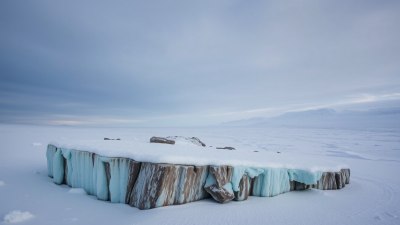
The Arctic is undergoing significant changes due to climate change, with one of the most profound being the thawing of permafrost.
Understanding Permafrost
Permafrost is a layer of permanently frozen soil found predominantly in polar regions. It plays a critical role in regulating the Earth's climate by storing vast amounts of carbon dioxide and methane. This frozen ground has long acted as a barrier, preventing organic matter from decomposing and releasing these greenhouse gases into the atmosphere.
The Thawing Process
As global temperatures rise, the integrity of permafrost is compromised. The increase in temperature causes permafrost to thaw, leading to a series of ecological and social consequences. Thawing can result in the release of stored carbon, amplifying the greenhouse effect and further accelerating climate change.
Impacts on Local Ecosystems
The thawing of permafrost disrupts local ecosystems. The once solid ground becomes unstable, leading to landscape changes such as subsidence and erosion. Vegetation patterns shift, benefiting some species while endangering others. For example, shrubs may expand their range, altering the habitat for caribou and other wildlife.
Changing Water Dynamics
Permafrost plays a crucial role in regulating water flow and availability. As it thaws, previously frozen ground becomes more porous, affecting groundwater availability and surface water systems. Wetlands may expand in some areas, while others may face drought due to changing hydrological cycles.
Impact on Indigenous Communities
Indigenous communities in the Arctic are particularly vulnerable to the impacts of permafrost thaw. Many of these communities rely on the land for their livelihoods, including hunting and fishing. Thawing could disrupt traditional hunting grounds, impact fish populations, and challenge the overall health of ecosystems that these communities depend on.
Infrastructure Vulnerability
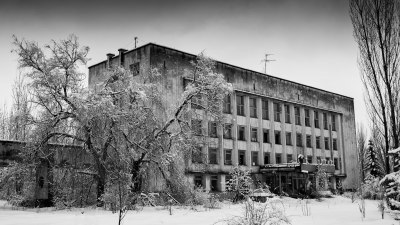
Infrastructure built on permafrost, such as roads, buildings, and pipelines, faces significant risk due to thawing. As the ground shifts, these structures may become unstable, leading to costly repairs and safety hazards. Communities must invest in adaptive strategies to support infrastructure resilience.
Carbon Storage and Climate Feedback Loops
The thawing of permafrost poses a serious risk in terms of carbon emissions. It is estimated that the Arctic holds approximately 1,500 billion tons of carbon. As temperatures rise and permafrost thaws, this carbon may be released into the atmosphere, exacerbating global warming.
Mitigation Strategies
Addressing the challenges posed by permafrost thaw requires a multifaceted approach. Adaptation strategies may include rethinking the development of infrastructure to enhance resilience and using technology to monitor changes in permafrost dynamics. Furthermore, global efforts to reduce greenhouse gas emissions are essential in slowing down permafrost degradation.
The Role of Research and Community Engagement
Ongoing research into permafrost dynamics is critical to understand the full extent of its impacts. Engaging local communities in research efforts can help gather traditional ecological knowledge and improve the understanding of permafrost changes over time.
Future Outlook
As the Arctic continues to warm at an unprecedented rate, the implications of permafrost thaw will likely become more severe. Immediate action, both locally and globally, is necessary to mitigate these effects and adapt to a rapidly changing environment. Strengthening policies, fostering cooperation among nations, and investing in sustainable technologies are all key components in addressing the challenges posed by thawing permafrost.