When the Eyes Rest, the Tongue Awakens in Tuscany
Explore the unique culinary delights and vibrant culture of Tuscany, where food awakens the senses and sights refresh the spirit.
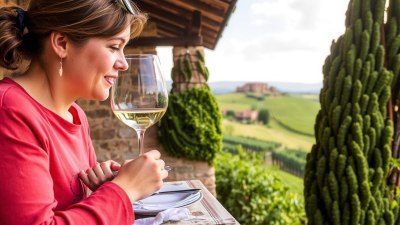
Image created with Flux Schnell
Tuscany, a region renowned for its stunning landscapes, rich history, and profound cultural heritage, offers an experience that transcends mere sightseeing. While the eyes feast on the rolling hills, vineyards, and quaint villages, the tongue awakens to the symphony of flavors that define Tuscan cuisine. This article delves into the sensory journey through Tuscany, focusing on the food, the wine, and the stories behind them.
The Essence of Tuscan Cuisine
Tuscan cuisine is deeply rooted in the region's agricultural practices, with an emphasis on simplicity and quality of ingredients. The traditional dishes often reflect the seasonality of produce available, allowing for a fresh and vibrant menu throughout the year. Olive oil, beans, and bread are staples, forming the foundation of many classic recipes.
One cannot talk about Tuscan cuisine without mentioning the iconic *ribollita*, a hearty soup made from vegetables, bread, and beans. This dish not only embodies the essence of Tuscan cooking but also tells a story of frugality during times of scarcity. *Pici*, a type of handmade pasta served in various forms, is another delightful representation of the region's culinary tradition. Flavored with garlic, tomato sauce, or a sprinkling of cheese, *pici* is a true comfort food.
The Warm Embrace of the Vineyards
The rolling hills of Tuscany are home to some of the most celebrated vineyards in the world. The region produces a plethora of wines, with Chianti being the most famous among them. The art of winemaking in Tuscany has been passed down through generations, with family-owned vineyards upholding traditional methods while also embracing modern techniques. As one strolls through the vineyards, it becomes apparent that wine is not just a beverage but a cultural cornerstone.
Tuscan wines are characterized by their robust flavors and rich history. *Brunello di Montalcino*, made from the Sangiovese grape, is highly sought after and recognized as a premier Italian wine. On the other end of the spectrum, *Vernaccia di San Gimignano*, a white wine from the region, offers a refreshing balance, perfect for pairing with light Tuscan dishes. Wine tasting experiences in Tuscany often include tours of the vineyards and cellars, providing a comprehensive understanding of the winemaking process and the principles that define each bottle.
Florence, the capital of Tuscany, serves as the pulsating heart of the region's culinary scene. The vibrant atmosphere of its markets, particularly the Mercato Centrale, provides the opportunity to sample a variety of local produce, cheeses, and cured meats. The market is a feast for the eyes and the palate, with vendors proudly showcasing their artisanal products. A visit to Florence is incomplete without tasting *lampredotto*, a traditional street food made from the fourth stomach of the cow, cooked until tender and served in a sandwich. This humble dish epitomizes the essence of Tuscan fare — simple, flavorful, and rich in tradition.
Dining in Florence offers a magnificent array of choices, from elegant restaurants serving gourmet cuisine to rustic trattorias where locals gather for hearty meals. Each establishment presents its interpretation of traditional recipes while adding a unique creative twist. The city's vibrant food scene ensures that there is always something new to discover.
Embracing Tuscan Traditions
This region is not just about the food; it's also about the traditions and festivals that celebrate its agricultural bounty. One of the most awaited events is the *Sagra del Cinghiale*, a festival dedicated to wild boar, where locals and visitors indulge in various dishes highlighted by this game meat. The ambiance is filled with laughter, music, and dance, portraying the communal spirit that Tuscany is known for.
Another significant celebration is the *Palio di Siena*, a historic horse race held in the Piazza del Campo. While the race itself is the highlight, the surrounding festivities include sumptuous feasts featuring local specialties, bringing together the community and visitors alike. These events showcase the pride of Tuscan farmers, winemakers, and chefs, providing a delightful opportunity to taste the region's culinary treasures.
The Influence of Olive Oil
When discussing Tuscan cuisine, one cannot overlook the importance of olive oil. Often referred to as *golden liquid*, extra virgin olive oil produced in Tuscany is celebrated for its low acidity and distinct flavor profile, which enhances the essence of dishes. From drizzling on fresh salads to enhancing the flavor of grilled meats, olive oil plays a pivotal role in the Tuscan food narrative.
Visitors to Tuscany can embark on olive oil tasting tours where they learn about the cultivation process, the different olive varieties, and the methods of extraction. Pairing olive oil with local bread creates a simple yet indulgent experience that emphasizes the quality of local ingredients.
Sweet Endings: Tuscan Desserts
The sweet side of Tuscany is equally captivating, with desserts that tell tales of the region's history and culture. *Cantucci*, or Tuscan almond cookies, are often enjoyed with a glass of Vin Santo, a traditional dessert wine. The act of dunking the cookies is not merely a habit but a ritual that encapsulates the joy of savoring life’s simple pleasures.
Another beloved dessert is *schiacciata*—a sweet flatbread typically baked with grapes during the harvest season. This delicacy represents the fruitful relationship between Tuscan agriculture and its culinary practices. The flavors of the ripe grapes meld beautifully with the dough, creating a delightful sweet treat that is best enjoyed fresh from the oven.
An Immersion in Tuscan Culture
Immersing oneself in Tuscan culture involves more than just tasting its food and wine; it’s about understanding the stories, traditions, and communities that shape its identity. Participating in cooking classes provides insight into the techniques and secrets of local cuisine, allowing visitors to recreate the magic of Tuscany in their own kitchens. As they chop vegetables, knead dough, and stir sauces, they develop a deeper appreciation for the culinary arts.
Moreover, Tuscan art and history are intertwined with its gastronomy. The Renaissance period marked a significant evolution in the culinary landscape, influenced by the Medici family's patronage of artists and chefs. A visit to Florence's various galleries and museums uncovers not only artistic masterpieces but also historical insights into how food has shaped society and culture.
A Journey of Senses
As you traverse the picturesque landscapes of Tuscany, it becomes evident that this region offers an unparalleled sensory experience. The eyes rest upon verdant hills and ancient architecture, while the tongue awakens with vibrant flavors that echo the rich history and traditions of the land. Through food, wine, and culture, Tuscany invites you to partake in its enchanting story. Each bite, each sip, every moment spent immersing in this magical region serves as a reminder that culinary delights are as integral to the Tuscan experience as the breathtaking scenery that surrounds it.