When Vision Steps Aside in Total Darkness Below Paris
Explore the hidden world of Paris underground, where darkness reveals history and intrigue.
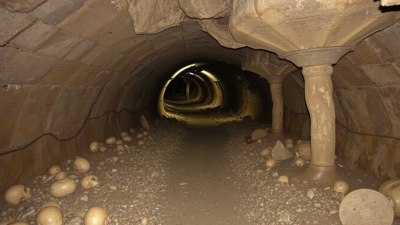
Image created with Flux Schnell
Paris, a city known for its radiant beauty, romantic streets, and brilliant lights, also conceals another reality beneath its bustling streets—a labyrinthine network of tunnels and chambers that hold stories, secrets, and a unique allure. The catacombs of Paris are not just historical sites; they serve as an intriguing backdrop for exploring the depths of human emotion, art, and the resilience of life against the odds.
To truly understand and appreciate the vast experience that lies beneath the streets of Paris, one must first delve into the historical context of these subterranean spaces. Originally limestone quarries, the tunnels were transformed into ossuaries in the late 18th century as Paris faced a problem of overflowing cemeteries. In 1786, the remains of approximately six million Parisians were moved to these underground voids, creating one of the most extensive burial sites in the world.
Visiting the catacombs offers a unique opportunity to confront the concept of mortality. As one descends into the cool, dimly lit tunnels, the atmosphere changes dramatically. The hustle and bustle of the city above fades away, replaced by the echoes of dripping water and the occasional rustle of distant movement. This is a place where the living meet the dead in a dance as old as time itself.
The Path of Bones attracts many for its eerie beauty—the walls are adorned with neatly arranged skulls and bones, intricately displayed to form art pieces that speak volumes about life and death. The careful arrangement is a testament to the artistry of the past, a bridge connecting present audiences with the history of those who once inhabited this vibrant city.
A Journey Through Shadows
Venturing deeper into the catacombs, one discovers chambers that once served other purposes. Some tunnels were utilized during World War II by the French Resistance, creating a hidden network that provided shelter, communication lines, and safe passage through a city under siege. Echoes of this history still linger in the air; one can almost hear the whispers of revolutionaries daring to challenge the status quo amidst the fears of conflict.
This duality—sacred resting places and strategic underground strongholds—paints a complex portrait of Parisian life, where joy and sorrow coexist. As you explore, take note of the names and inscriptions marked on the walls; they serve as touchstones to the stories of individuals who contributed to the rich tapestry of Parisian culture.
Art plays a significant role in this underground world. Many artists, inspired by the mystique of the catacombs, have left their marks in the form of murals, sculptures, and poetry. Here under the earth, creativity flourishes in solitude, revealing raw human emotions—hope amidst despair, love amidst loss. In dark corners, one can find whispers of existence that elevate the stark surroundings into realms of beauty.
The Role of Darkness
When vision steps aside in these dimly lit passages, the other senses awaken. The cold stone walls, smooth to the touch, hold the memories of countless footsteps. The air is heavy with history, each breath a reminder of life's transience. As you traverse the winding paths, let your imagination wander through time. Picture the men and women who once roamed the streets of Paris, their lives intertwining with the vast city above.
Darkness in the catacombs is more than an absence of light—it symbolizes the unknown, the fears that every individual carries within. Each turn in the tunnel presents a choice: confront the fear of what lies ahead, or retreat to the safety of the known. Encountering darkness can ignite a personal reckoning, a confrontation with one's own thoughts, fears, and aspirations. Here, bathed in shadows, visitors may discover resilience within themselves.
This concept resonates deeply within the art of self-reflection while navigating through an unforgiving environment. It invites visitors to contemplate the contrasts in life—light and dark, joy and sorrow, loss and love—prompting introspection as individuals traverse the physical and emotional terrain of the catacombs.
Your Own Perspective
However, each person's venture into the catacombs is a unique interplay between their experiences and the echoes of history layered upon every stone. Some may find beauty and inspiration; others may experience fear or discomfort. But each response is valid. That adaptability to external environments, blending personal narratives with monumental histories, shapes our experiences—unique reflections in the depths of a shared human condition.
For those seeking adventure, the urban explorers among us dared to abandon conventional paths. The catacombs offer a thrill, a challenge to navigate the myriad routes, often untraveled by the typical tourist. A journey through these winding passages may stir an adrenaline rush, leading to exhilaration and a sensed unity with forever-lost souls, creating a fascinating interplay between light and dark.
Contrarily, others visit with solemn respect, coming to reminisce about relatives lost or to acknowledge their connections to both personal and collective histories. The act of honoring the deceased becomes a poignant ritual performed silently amongst the cryptic shadows of Paris’s embrace—a tribute to the lives created, lived, and folded into the broader narrative of humanity’s existence.
Connecting with the Past
Tourists and locals alike find themselves unexpectedly moved during their forays into the catacombs, contemplating the tales lodged within the sepulchral walls. Visiting this historical site is about more than just walking through the tunnels; it is an immersive experience that allows one to commune with history on a profoundly personal level.
After a transformative expedition below ground, visitors often emerge back into daylight carrying with them a new perspective, an elevated appreciation for life and history, and a reminder—one's journey toward understanding who they are is a continuous path, not a destination. The shadows of the catacombs linger, reminding visitors that darkness can be as illuminating as light, fostering growth and understanding.
As you reflect upon your adventure, consider the stories you may bring back to the surface, and how they can influence your life moving forward. Each visit to the catacombs carries the potential for deep encounters with one’s past, spurring curiosity and introspection that echoes through minds long after exiting the tunnels.
The Legacy of the Catacombs
In a world where chasing light often dominates, it’s essential to recognize that shadows hold their own kind of wisdom. Embracing both aspects allows for a more holistic approach to existence. The catacombs of Paris masterfully exemplify this idea. They remind us of our interconnectedness with those who came before us, with their stories preserved in the dust and echoes of the darkness.
Ultimately, the decision to explore this underground realm is a personal one. It can serve various purposes: adventure, education, reflection, or connection. No matter the initial intention, visitors often leave changed, their perspectives shifted - a testament to the power of the depth of experiences sheltered within the layers of reality and memory.
In this way, the catacombs symbolize the journey through darkness each person must take at some point in their life. As these winding paths and ancient bones beckon towards understanding, remember that vision is not limited to the eye alone; it extends to the heart, the mind, and the soul.
Thus, Paris, in her duality of illumination above and shadows below, invites you to navigate through her mysteries. Your expedition into this darkness teaches you not merely to confront what you fear—the immeasurable weight of lives lived—but also to embrace what they have to offer. Discover the stories waiting in the depths, where shadows stretch and the brilliance of past lives rises once more.