Where the Sand Creeps Closer Every Year in Mauritania
Discover the challenges of desertification in Mauritania and its impact on local communities.
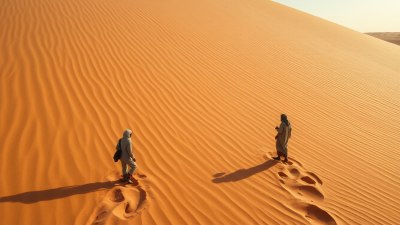
Mauritania, a country located in West Africa, faces an ongoing challenge that resonates deeply with both its landscape and its people: desertification. Each year, the vast Sahara Desert encroaches upon lush regions, transforming fertile lands into arid wasteland. The phenomenon is alarming, as it endangers agriculture, disrupts livelihoods, and threatens the very existence of local communities.
The phenomenon of desertification is attributed to a mix of climatic changes and human activities. In Mauritania, the impact is palpable, with families witnessing their farming fields diminish annually. The reasons behind this encroachment are far-reaching, including overgrazing, deforestation, and unsustainable agricultural practices. The challenge is not only environmental; it is a complex socio-economic issue that affects food security and demands immediate attention.
The Historical Context
The history of Mauritania as a territory of differing cultures and civilizations provides context for understanding the deep-rooted issues currently exacerbated by desertification. Historically, Mauritania has relied on its diverse ecosystems for economic sustenance, particularly in agriculture and livestock rearing. However, as populations grow and climate change intensifies, these natural resources are becoming strained. Understanding this dynamic unveils the critical need for sustainable practices that not only address environmental degradation but also cater to the needs of its residents.
Furthermore, Mauritania's geographical positioning exposes it to extreme temperatures and unpredictable weather patterns. These climatic conditions have made farming a precarious venture, as droughts become increasingly frequent and prolonged. This harsh reality forces farmers to adapt or abandon traditional methods, leading many to migrate towards urban areas—a trend that has social implications, straining urban resources and infrastructure.
Impact on Agriculture
Agriculture in Mauritania, which employs approximately 70% of the population, is at the mercy of desertification. As the Sahara expands, arable land diminishes, and farmers report significant declines in crop yields, pushing many to seek alternative livelihoods. Major crops such as millet and sorghum have seen reduced productivity, and this has heightened the risk of food insecurity. Additionally, competition for scarce resources leads to conflicts among communities, further complicating an already fragile situation.
The situation is particularly dire for smallholder farmers who, unlike larger agricultural enterprises, lack the resources and technology needed to adapt effectively. With financial support and expertise limited, many farmers find themselves caught in a cycle of poverty. This cycle not only threatens individual households but also has wider implications for national food supply and economic stability.
Cultural Ramifications
As desertification alters the landscape, it also reshapes cultural identities and traditional practices. In nomadic communities, the loss of grazing lands leads to a drastic shift in lifestyle, as families are forced to abandon their herding traditions. The cultural fabric of these communities, rich with historical practices and communal knowledge, is at risk of eroding as younger generations migrate in search of better opportunities.
The interplay of environmental and cultural change creates a situation where the very essence of community is being redefined. While migration may provide short-term relief, it also strips away foundational connections to land and heritage. The integration of displaced populations into urban settings adds another layer of complexity, as it poses challenges in social cohesion and resource management.
Government and International Response
Recognizing the urgency of the situation, the Mauritanian government has embarked on several initiatives to combat desertification. These efforts range from reforestation projects to community engagement programs that promote sustainable agricultural practices. One such initiative is the Great Green Wall project, aimed at halting desert expansion by restoring degraded land and creating a barrier of vegetation across the Sahel region. The project seeks to engage local communities, empowering them to restore their lands and improve agricultural productivity.
International support plays a crucial role in these endeavors. Organizations like the United Nations and various non-governmental organizations (NGOs) have been instrumental in providing resources, expertise, and funding needed for sustainable development projects. These partnerships not only facilitate immediate relief efforts but also build long-term resilience in communities facing the impacts of climate change and desertification.
Case Studies of Resilience
Despite the overarching threat of desertification, there are inspiring examples of resilience among Mauritania's communities. For instance, farmers in some regions have begun adopting innovative practices such as agroforestry and water conservation techniques that allow them to revive their lands sustainably. By integrating trees with crops, these farmers enhance soil fertility, retain moisture, and improve biodiversity—all essential for fostering enduring agricultural systems.
Moreover, women's cooperatives have emerged as powerful agents of change within communities, leading initiatives that both restore the environment and empower women economically. These cooperatives often focus on producing traditional handicrafts and sustainable agriculture, fostering not just economic independence but also preserving cultural heritage amidst environmental upheaval.
The Importance of Education
Education is an essential component in the fight against desertification. Schools across Mauritania are increasingly incorporating environmental education into their curriculums, instilling a sense of stewardship and awareness in the younger generation. By equipping students with knowledge about sustainable practices and the importance of biodiversity, they lay the groundwork for a future where conservation and growth can coexist.
Furthermore, capacity-building programs for farmers enable them to learn effective land management practices, helping mitigate the impacts of climate change on their livelihoods. Programs that focus on participatory approaches encourage farmers to share knowledge and experiences, fostering a community-driven response to the impending crisis.
The Road Ahead
The path forward for Mauritania involves a multifaceted approach that intertwines environmental sustainability with socio-economic development. Long-term strategies aimed at combatting desertification must encompass investments in infrastructure, technology, and education to bolster resilience in affected communities. Moreover, addressing the root causes of desertification requires cooperation at local, national, and international levels to create policies that resonate with the needs of the people and their environment.
Ultimately, the battle against desertification in Mauritania is not solely an environmental issue but a humanitarian one, demanding a concerted effort to nurture communities and preserve their connection to the land. As the sand creeps closer, responding with foresight and solidarity will be paramount in ensuring a livable future for generations to come.