Collecting and Cataloging Different Types of Minerals on Hikes
Discover how to collect and catalog minerals during your hikes with tips and techniques for mineral enthusiasts.
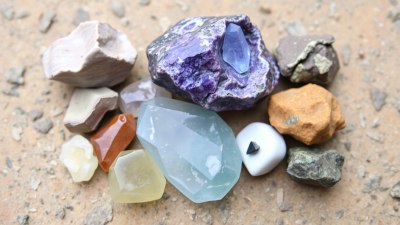
Image created with Flux Schnell
Embarking on a hike can be an exciting adventure, especially for those who have a passion for nature and geology. Collecting and cataloging different types of minerals enhances your outdoor experience, offering insight into the Earth's processes and a deeper appreciation for its beauty. In this article, we will explore the essentials of mineral collection, cataloging techniques, identification tips, and safety considerations to ensure every hiking trip is both enjoyable and educational.
Why Collect Minerals?
Collecting minerals offers several benefits. Firstly, it provides a tangible connection to the natural world, allowing hikers to engage more deeply with their surroundings. Each mineral tells a unique story about the geological history of an area. Furthermore, mineral collection can serve educational purposes, whether for personal knowledge, teaching others, or contributing to scientific understanding. For geographic regions, understanding local mineral compositions can also inform conservation efforts and responsible land use.
What to Bring on Your Mineral Collection Hikes
Before heading out, it's essential to prepare adequately. Here is a list of items you should consider bringing: a sturdy backpack, durable footwear, a field guide for mineral identification, a small hammer or rock pick, safety goggles, a trowel or digging tool, ziplock bags or specimen boxes, a notebook, a camera or smartphone for documentation, gloves, and water. Proper clothing is also important; wear layers to adapt to changing weather conditions and protect against scratches and bumps.
Where to Go
Selecting the right location for mineral collecting is key to a successful outing. Research areas known for rich mineral deposits, such as quarries, cliffs, riverbeds, and geological formations. Local geological surveys or clubs can provide valuable insights into the best spots. Always remember to respect private property and local regulations regarding collecting, and consider the ecological impact of your activities.
Identifying Minerals
Once you've found a mineral, identifying it correctly is crucial. Here are basic factors to consider:
Color: While not always reliable since many minerals can appear in multiple colors, it is often the first visual cue.
Hardness: Using the Mohs scale of hardness allows you to scratch minerals and compare their resistance to scratching. Each mineral has a specific hardness that can help in identification.
Streak: The streak test involves rubbing the mineral against a rough surface to see the color of its powder, which can be a more reliable identifier than the mineral's surface color.
Luster: Observe how the mineral reflects light. Is it metallic, glassy, or dull? This characteristic can narrow down possibilities.
Cleavage and Fracture: Cleavage refers to how a mineral breaks along specific planes, while fracture describes how it breaks irregularly. Some minerals break cleanly, while others do not.
Cataloging Your Collection
Once you've collected your minerals, it's essential to catalog them effectively. A systematic approach helps maintain organization and enhances your overall experience. Here are steps to consider:
Create a Database: Use a physical notebook, spreadsheets, or a dedicated app to document details about each mineral. Record where and when you found it, physical characteristics, and any additional notes on the location.
Label Specimens: Clearly label each specimen with relevant information using adhesive labels. Include the mineral's name, date of collection, and location.
Photograph Specimens: Take clear photographs from multiple angles for visual references. Include any distinguishing features that helped with identification.
Cleaning and Preservation
Once your minerals are cataloged, you'll want to clean them carefully without causing damage. Here are tips for basic cleaning:
Washing: Most minerals can be cleaned using water and a soft brush. Avoid harsh chemicals that may damage the specimen.
Drying: Dry your specimens thoroughly to prevent moisture retention, which can lead to deterioration over time.
Storage: Store minerals in a safe place, protected from humidity and direct sunlight. Consider using display boxes, drawers, or cases designed specifically for mineral collections.
Safety Considerations
When collecting minerals during hikes, follow safety guidelines to ensure a safe experience. Stay aware of your surroundings and check for potential hazards, including unstable rocks or rough terrain. Always let someone know your hiking plans, including your route and expected return time. Carry a basic first aid kit and know how to use it. Watch out for wildlife, and keep a safe distance from any encounters. Lastly, consider your environmental impact by practicing Leave No Trace principles.
Community and Resources
Joining a local mineral club can enhance your collecting experience. These clubs often organize field trips, workshops, and other educational activities that connect enthusiasts. You can share experiences, obtain identification help, and meet people who share your passion. Online forums and social media groups are also excellent resources for finding information and exchanging tips.
Hiking while collecting and cataloging minerals is an extraordinary way to deepen your connection with nature and understand the geological diversity of the areas you explore. By preparing adequately, identifying minerals correctly, and cataloging your findings, you can create a lasting collection that tells the story of your adventures. Remember always to prioritize safety and respect the environment. With these guidelines in mind, your next hike may inspire a lifelong passion for mineral collecting!